

2 toman – Iran
Add to wishlist
Iran
Context
Year: 1892
Iranian - Persian Year:: 1271
Issuer: Iran
Ruler: Naser al-Din Shah
Currency:
(1825—1932)
Demonetization: 5 January 1896
Material
References
KM: #
Numista: #98863
Value
Bullion value: $1046.78
Obverse
Description:
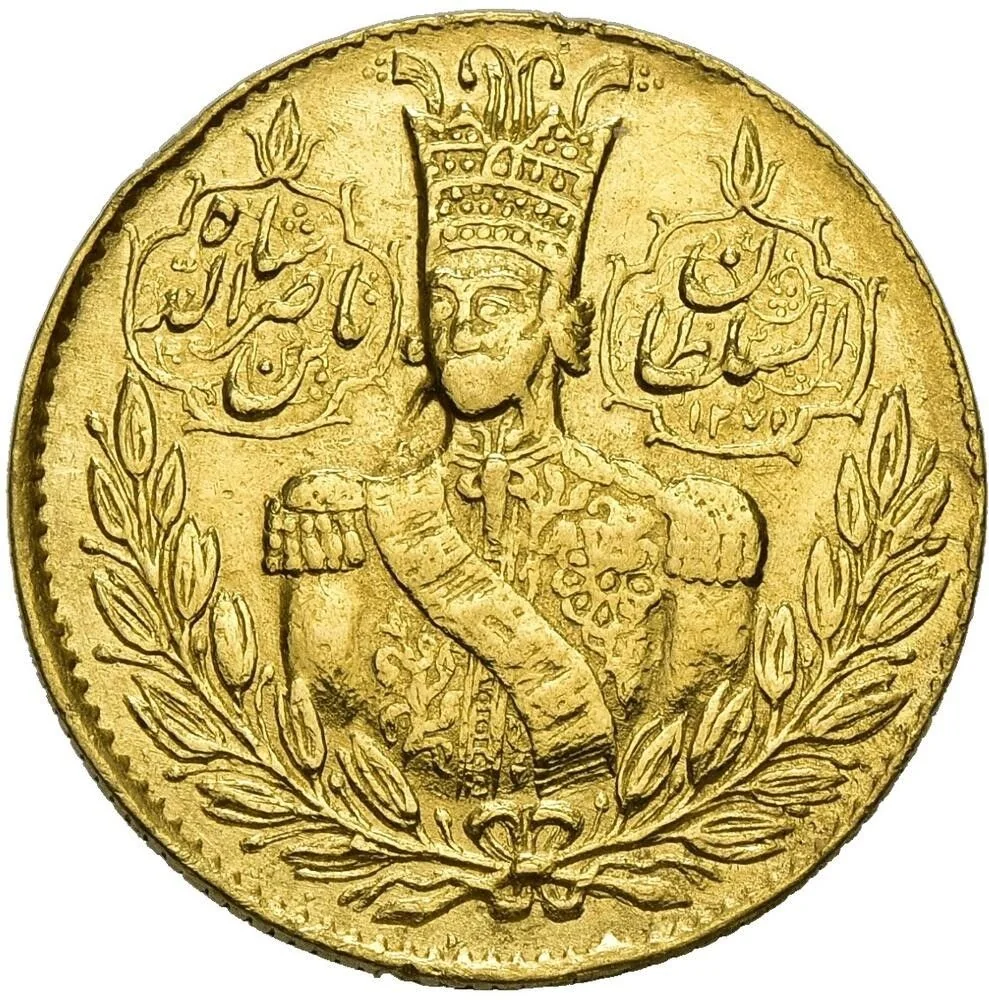
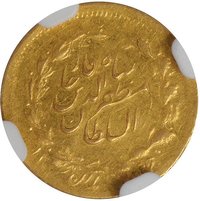
Bust of Naser al-Din Qajar in uniform, flanked by top inscriptions with an olive wreath below.
Inscription:
السلطان ناصرالدین شاه
Translation:
The Sultan Nasir al-Din Shah
Script: Persian (nastaliq)
Language: Arabic
Reverse
Description:
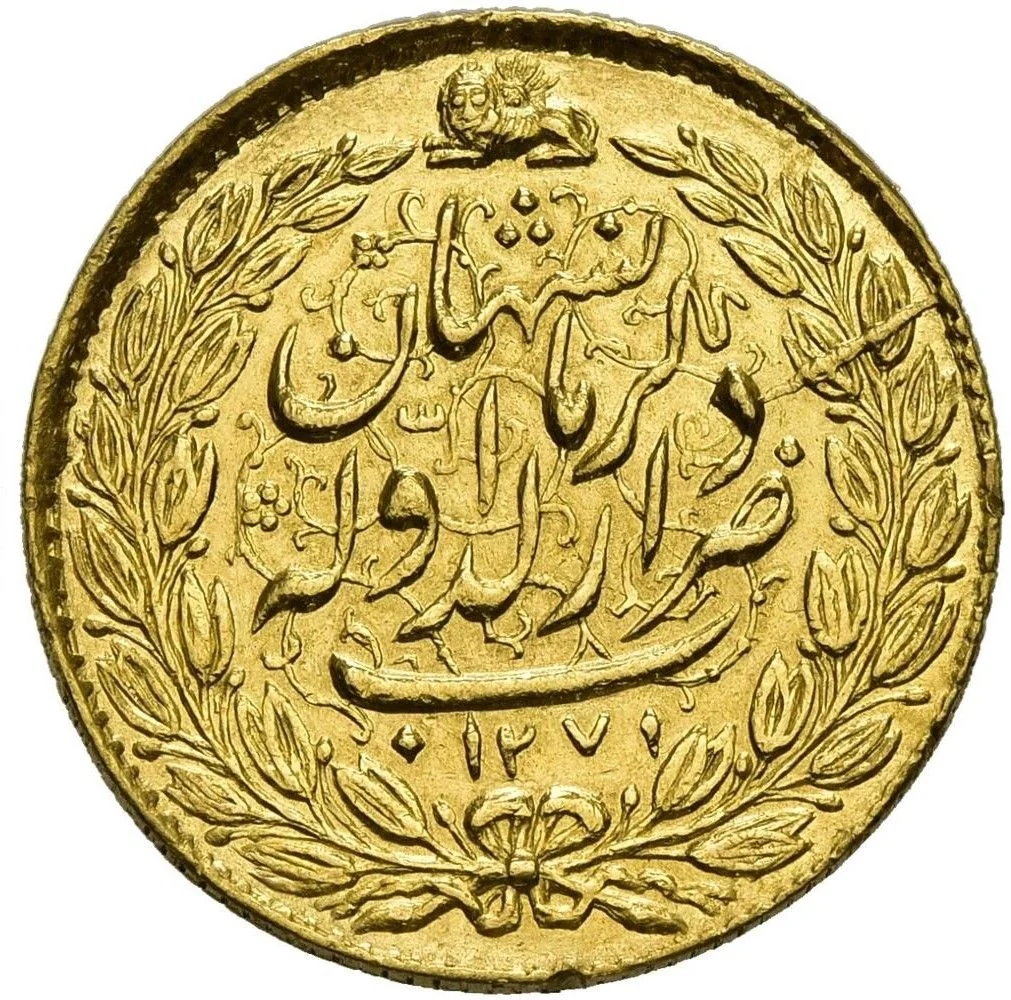
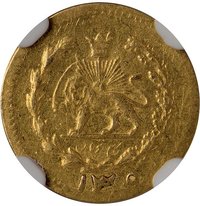
Lion and sun above central inscription, encircled by an olive wreath.
Inscription:
ضرب دارالدوله کرمانشهان
۱۲۷۱
۱۲۷۱
Translation:
Struck in Dar al-Dawla Kirmanshahan
1271
1271
Script: Persian (nastaliq)
Language: Persian
Edge
Plain
Categories
| Person> Military leader |
| Symbol> Wreath |
Mints
| Name | Mark |
|---|---|
| Kermanshah | — |
Mintings
| Year | Mint Mark | Mintage | Quality | Collection |
|---|---|---|---|---|
| 1892 | — | — |
Historical background
In 1892, Iran's currency situation was characterized by profound instability and complexity, rooted in the Qajar dynasty's fiscal mismanagement and increasing foreign economic encroachment. The monetary system was a chaotic mix of silver krans, copper shahis, and gold tomans, with no standardized national coinage. Provincial mints operated with little central oversight, producing coins of varying weight and purity, which fueled widespread counterfeiting and crippled domestic trade. This internal fragility was exacerbated by the global fall in the price of silver, which devalued Iran's primary silver-based currency, causing severe inflation and economic hardship for the population.
The crisis culminated in a major controversy in 1892 surrounding the Tobacco Concession, which the Shah had granted to a British company. The massive public and clerical backlash forced the government to cancel the concession, but it was liable for a huge compensation payment. Lacking sufficient reserves, the state took a large loan from the British-owned Imperial Bank of Persia, effectively mortgaging the country's customs revenues. This debt not only deepened foreign financial control but also further destabilized the currency, as the government resorted to debasing coinage to meet its obligations.
Consequently, by the end of 1892, Iran's monetary system was in a state of acute distress. The failed concession and the resulting loan highlighted the Shah's dwindling fiscal sovereignty, while the depreciating and unreliable currency eroded public trust and market confidence. This period stands as a critical prelude to more extensive monetary reforms attempted later in the decade, and it underscored how Iran's economic vulnerabilities were being systematically exploited by foreign powers, setting a pattern for the financial crises that would plague the late Qajar era.
The crisis culminated in a major controversy in 1892 surrounding the Tobacco Concession, which the Shah had granted to a British company. The massive public and clerical backlash forced the government to cancel the concession, but it was liable for a huge compensation payment. Lacking sufficient reserves, the state took a large loan from the British-owned Imperial Bank of Persia, effectively mortgaging the country's customs revenues. This debt not only deepened foreign financial control but also further destabilized the currency, as the government resorted to debasing coinage to meet its obligations.
Consequently, by the end of 1892, Iran's monetary system was in a state of acute distress. The failed concession and the resulting loan highlighted the Shah's dwindling fiscal sovereignty, while the depreciating and unreliable currency eroded public trust and market confidence. This period stands as a critical prelude to more extensive monetary reforms attempted later in the decade, and it underscored how Iran's economic vulnerabilities were being systematically exploited by foreign powers, setting a pattern for the financial crises that would plague the late Qajar era.
✨ Legendary