

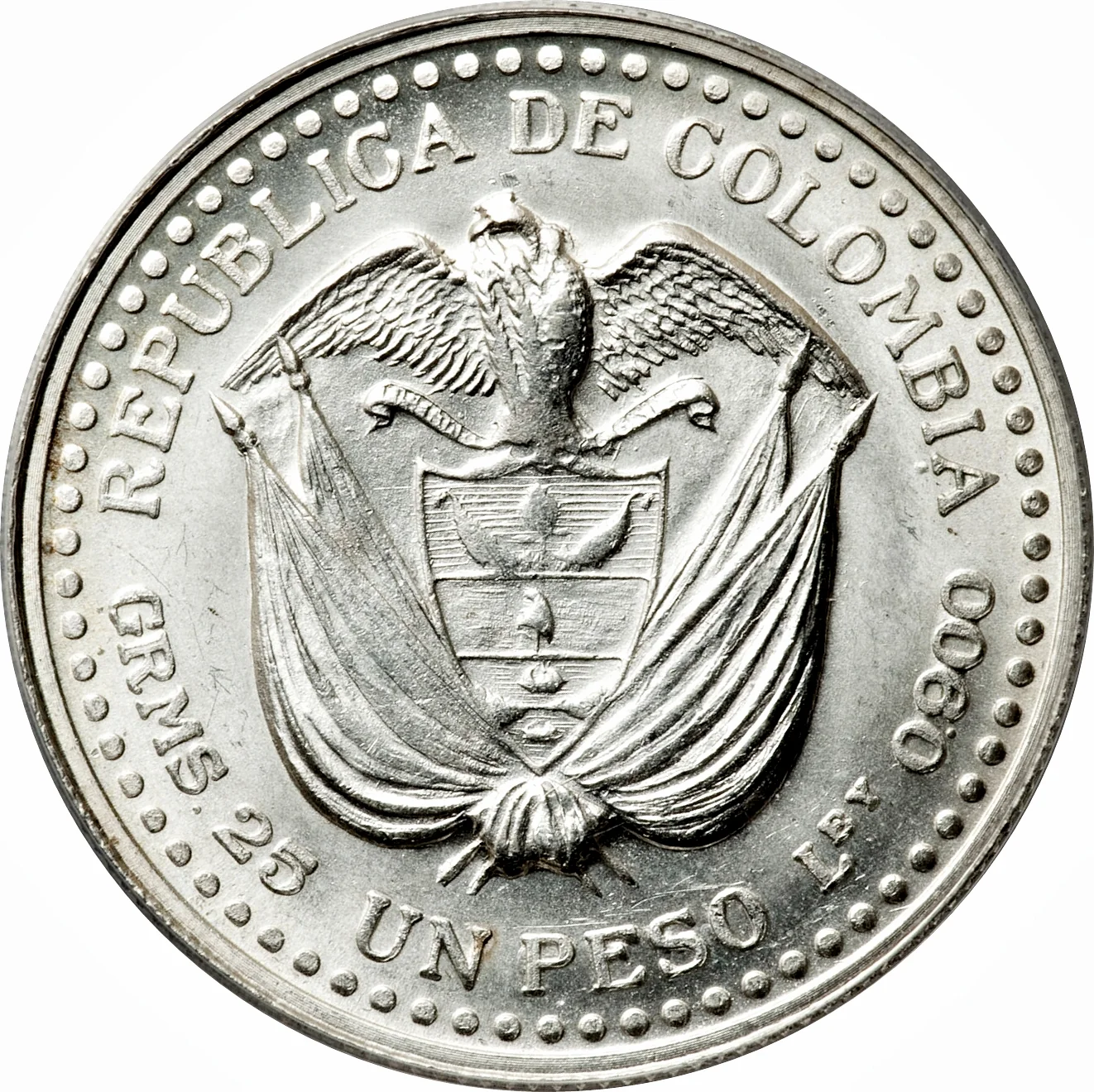
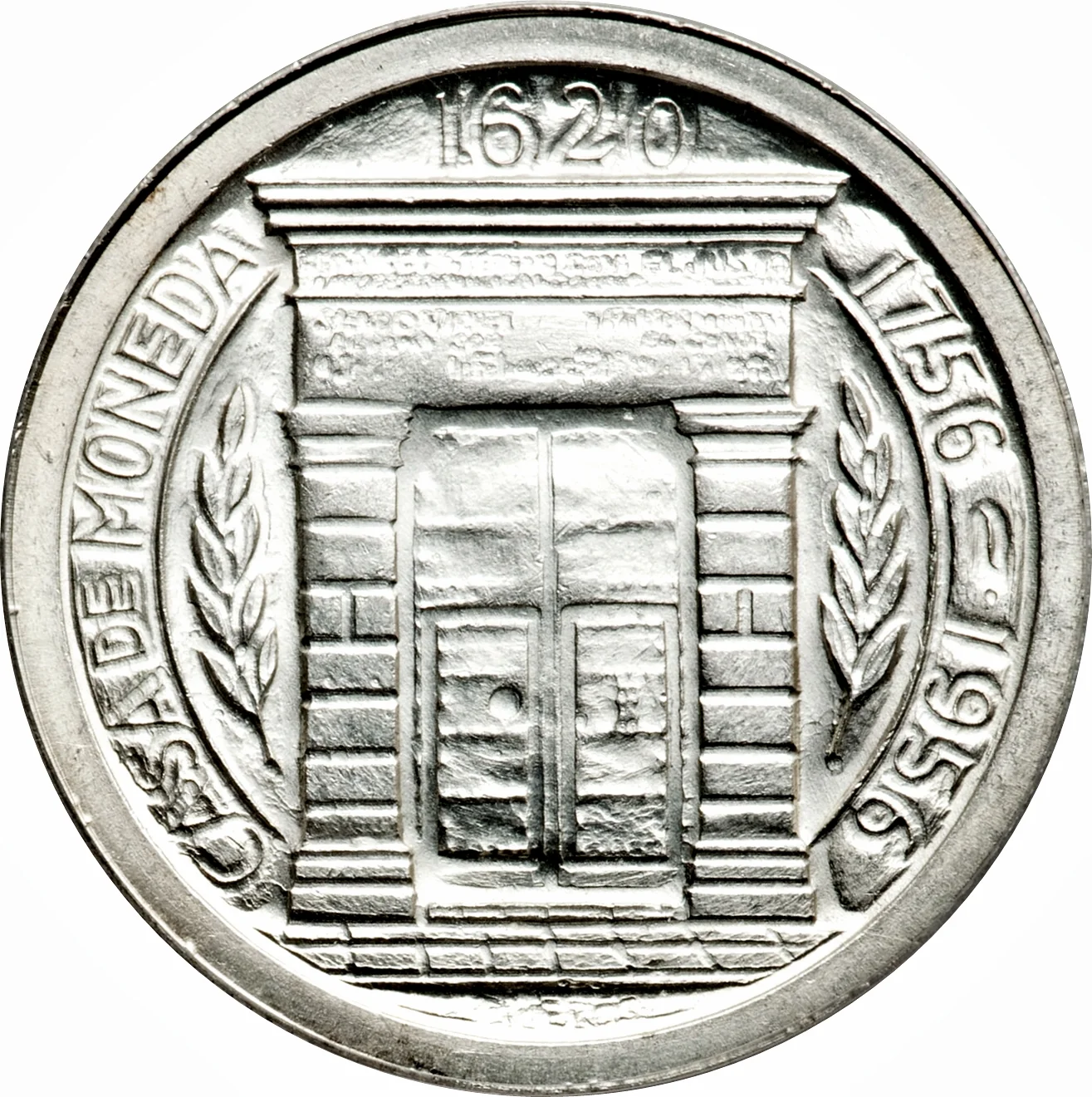
1 peso (Bogota Mint) – Colombia
Add to wishlist
Non-circulating coins
Commemoration: 200th Anniversary of the Bogota Mint
Colombia
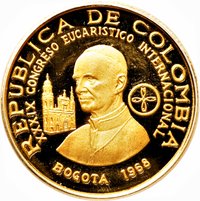
Obverse
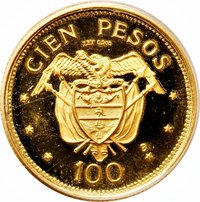
Reverse
Edge
Reeded
Categories
| Building |
| Symbols> Coat of Arms |
Mints
| Name | Mark |
|---|---|
| Mexican Mint | — |
Mintings
| Year | Mint Mark | Mintage | Quality | Collection |
|---|---|---|---|---|
| 1956 | — | 12,000 |
Historical background
In 1956, Colombia's currency situation was characterized by a complex and restrictive system of exchange controls, established in the aftermath of World War II and intensified during the period known as La Violencia. The country operated under a multiple exchange rate regime managed by the Exchange Office (Oficina de Cambios). This system created a stark divide between an official, overvalued peso rate (approximately 2.5 pesos per US dollar) for priority imports like machinery and medicines, and a much higher free market rate (around 4-6 pesos per dollar) for other transactions. This dual structure aimed to conserve scarce foreign reserves and direct capital toward industrialization but inevitably fostered a active black market (mercado negro) for dollars.
The economic context was one of persistent pressure. While the 1950s saw moderate growth driven by coffee exports and early industrialization, the political instability and violence of the era disrupted agriculture and infrastructure, straining public finances. A significant trade deficit in the mid-1950s, coupled with capital flight, put continual strain on the country's international reserves. The overvalued official peso made Colombian exports less competitive and encouraged smuggling, particularly of coffee, as producers sought to sell their beans in neighboring countries for harder currencies at more favorable rates.
This controlled system was ultimately unsustainable. The distortions created by the multiple rates and controls led to inefficiencies, corruption, and periodic devaluations of the official rate in a piecemeal fashion. The situation in 1956 set the stage for a major economic shift that would come just a decade later. In 1967, facing similar persistent imbalances, the government enacted a profound reform known as Decree 444, which moved toward a crawling peg system and unified the exchange rate, marking the definitive end of the post-war control model that defined the Colombian peso's management in 1956.
The economic context was one of persistent pressure. While the 1950s saw moderate growth driven by coffee exports and early industrialization, the political instability and violence of the era disrupted agriculture and infrastructure, straining public finances. A significant trade deficit in the mid-1950s, coupled with capital flight, put continual strain on the country's international reserves. The overvalued official peso made Colombian exports less competitive and encouraged smuggling, particularly of coffee, as producers sought to sell their beans in neighboring countries for harder currencies at more favorable rates.
This controlled system was ultimately unsustainable. The distortions created by the multiple rates and controls led to inefficiencies, corruption, and periodic devaluations of the official rate in a piecemeal fashion. The situation in 1956 set the stage for a major economic shift that would come just a decade later. In 1967, facing similar persistent imbalances, the government enacted a profound reform known as Decree 444, which moved toward a crawling peg system and unified the exchange rate, marking the definitive end of the post-war control model that defined the Colombian peso's management in 1956.
🌟 Limited