

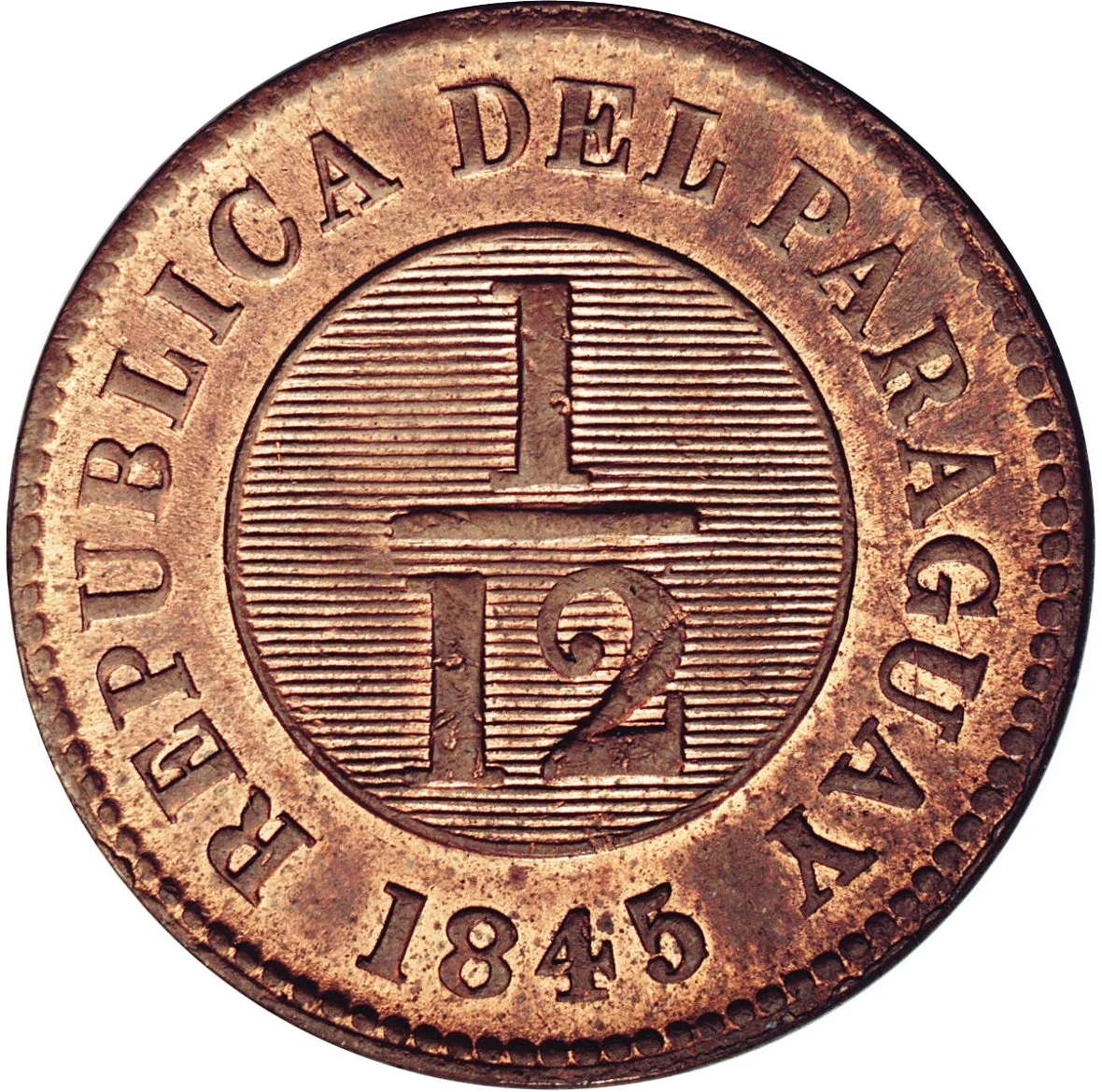
1⁄12 real – Paraguay
Add to wishlist
Paraguay
Context
Year: 1845
Issuer: Paraguay
Issuing organization: Tesoro Nacional de la República
Period:
(since 1811)
Currency:
(1845—1856)
Demonetized: Yes
Total mintage: 287,664
Material
References
KM: #
Numista: #23946
Obverse
Description:
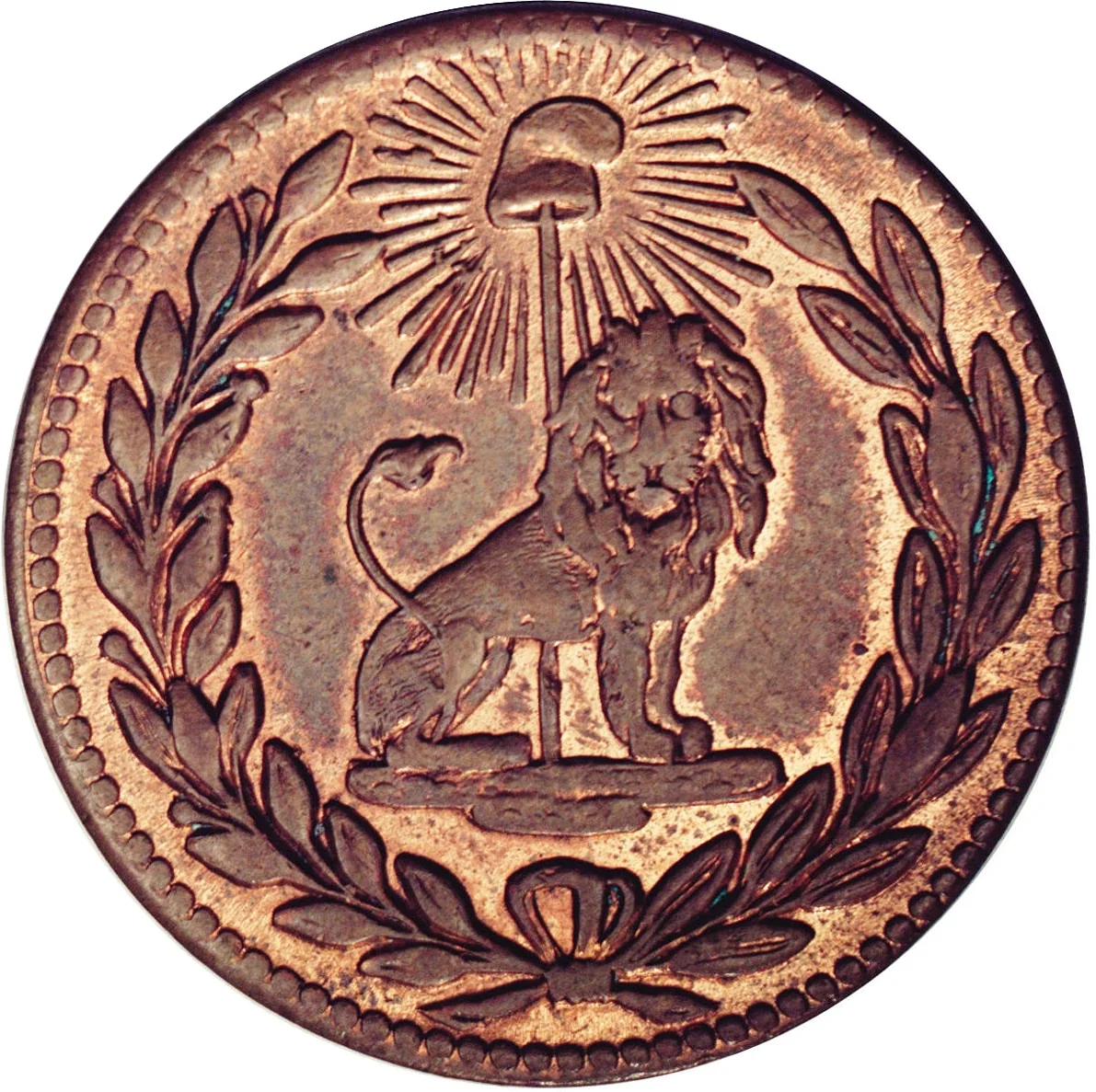
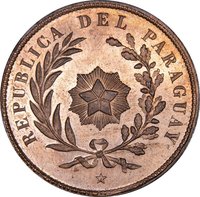
National coat of arms (Sello de Hacienda) encircled by wreath.
Reverse
Edge
Plain
Categories
| Animal> Feline |
| Symbol> Phrygian cap |
| Symbols> Coat of Arms |
Mints
| Name | Mark |
|---|---|
| Asunción | — |
| Heaton and Sons / The Mint Birmingham | — |
Mintings
| Year | Mint Mark | Mintage | Quality | Collection |
|---|---|---|---|---|
| 1845 | — | 287,664 |
Historical background
In 1845, Paraguay’s currency situation was defined by extreme isolation and a unique, state-controlled autarky under the rule of President Carlos Antonio López. Following the policies of his predecessor, Dr. José Gaspar Rodríguez de Francia, the nation remained almost entirely closed to foreign trade and financial influence. Consequently, there was no formal minted coinage or paper money in circulation for everyday transactions. The economy operated largely through barter, the use of primitive commodity monies (like yerba mate, tobacco, and hides), and the limited circulation of worn foreign silver coins, primarily from the Spanish colonial era, which were accepted by weight rather than face value.
The government under López, while beginning a cautious opening, maintained a tight grip on all economic activity. The state itself acted as the central economic agent, collecting taxes in kind and paying workers and soldiers with goods from its large estates and warehouses. This system effectively made the government the nation's sole banker and merchant, suppressing the need for a complex monetary system. Any precious metals that entered the country, often through limited border trade or state-sanctioned exports, were typically hoarded in the treasury at the capital, Asunción, to bolster the regime's wealth and stability rather than being minted for public use.
This primitive monetary environment was a direct reflection of Paraguay’s political isolation and its deliberate rejection of the economic liberalism sweeping the region. However, by 1845, López was initiating gradual reforms, laying the groundwork for future change. Within a few years, this would lead to the establishment of Paraguay's first official mint and the introduction of its first national coinage in the late 1840s, marking the beginning of a slow transition from a closed, barter-based economy to one integrated into the broader financial systems of the Río de la Plata.
The government under López, while beginning a cautious opening, maintained a tight grip on all economic activity. The state itself acted as the central economic agent, collecting taxes in kind and paying workers and soldiers with goods from its large estates and warehouses. This system effectively made the government the nation's sole banker and merchant, suppressing the need for a complex monetary system. Any precious metals that entered the country, often through limited border trade or state-sanctioned exports, were typically hoarded in the treasury at the capital, Asunción, to bolster the regime's wealth and stability rather than being minted for public use.
This primitive monetary environment was a direct reflection of Paraguay’s political isolation and its deliberate rejection of the economic liberalism sweeping the region. However, by 1845, López was initiating gradual reforms, laying the groundwork for future change. Within a few years, this would lead to the establishment of Paraguay's first official mint and the introduction of its first national coinage in the late 1840s, marking the beginning of a slow transition from a closed, barter-based economy to one integrated into the broader financial systems of the Río de la Plata.
🌱 Fairly Common