

10 Dollars – Fiji
Non-circulating coins
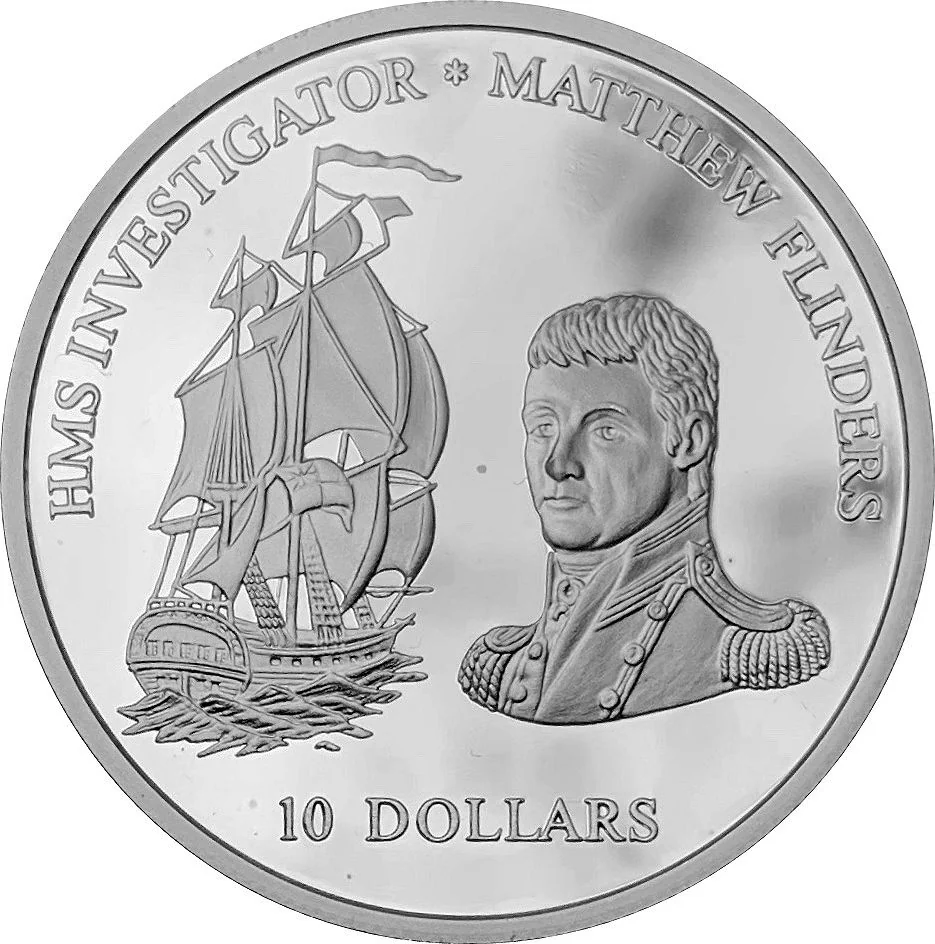
Commemoration: HMS Investigator * Matthew Flinders
Fiji

Material
References
KM: #Click to copy to clipboard107
Numista: #235793
Value
Exchange value: 10 FJD
Bullion value: $78.18
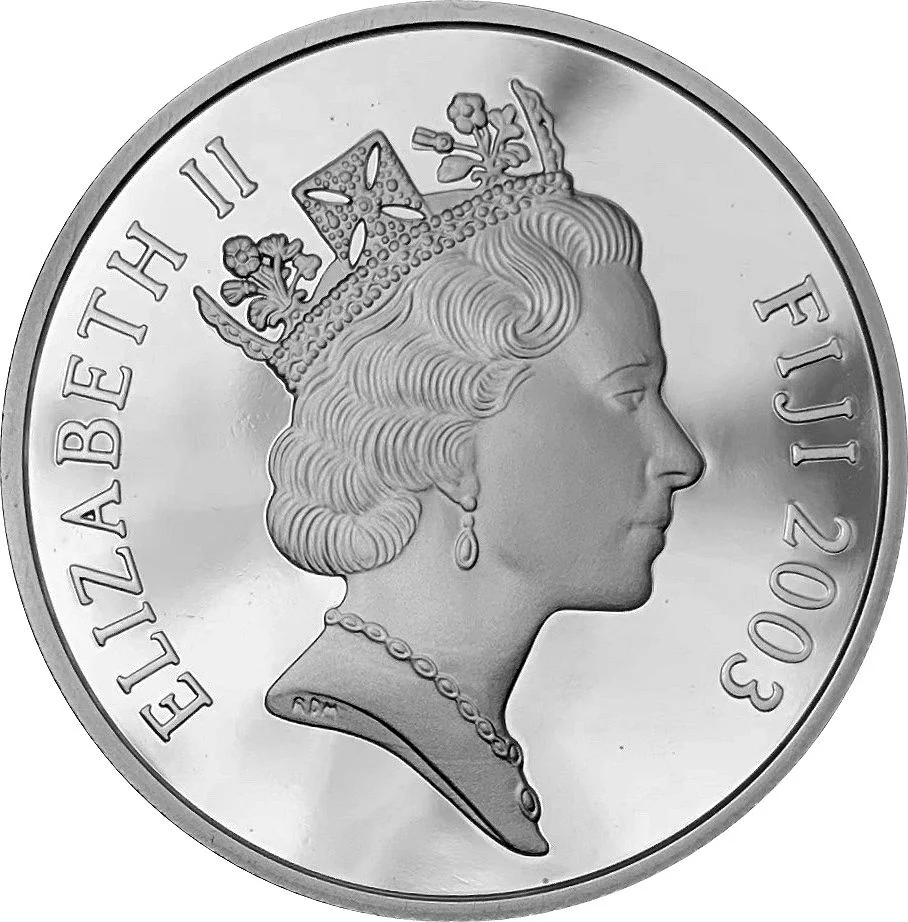
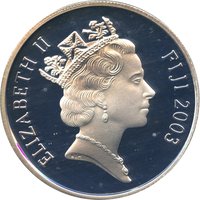
Obverse
Description:
Crowned head facing right.
Inscription:
ELIZABETH II FIJI 2003
Translation:
ELIZABETH II FIJI 2003
Script: Latin
Language: English
Engraver: Raphael David Maklouf
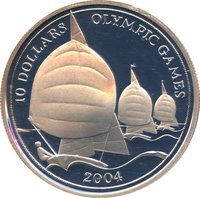
Reverse
Description:
Sailing ship left, naval bust right.
Inscription:
HMS INVESTIGATOR * MATTHEW FLINDERS
10 DOLLARS
10 DOLLARS
Script: Latin
Edge
Reeded
Categories
| Person> Explorer |
| Transportation> Watercraft |
Mints
| Name | Mark |
|---|---|
| Münze Österreich | — |
Mintings
| Year | Mint Mark | Mintage | Quality | Collection |
|---|---|---|---|---|
| 2003 | — | — | Proof |
Historical background
In 2003, Fiji's currency situation was characterized by a period of relative stability and cautious optimism under the management of the Reserve Bank of Fiji (RBF). The Fijian dollar (FJD), which had been floated in 1998 following the Asian financial crisis, was operating under a managed float regime. The RBF's primary focus was on maintaining low inflation and adequate foreign reserves, which had recovered significantly since the political instability of the 2000 coup. By the end of 2003, foreign reserves stood at comfortable levels, providing a buffer equivalent to approximately five months of import cover, which bolstered confidence in the currency and the broader economy.
This stability was underpinned by a rebound in key export sectors, particularly tourism and sugar. A strong recovery in visitor arrivals following the post-coup downturn brought in vital foreign exchange, while remittance inflows from Fijians working abroad, especially after the deployment of troops to Iraq, became an increasingly important source of external income. These inflows helped offset a persistent trade deficit and supported the value of the Fijian dollar, which traded within a manageable band against major currencies like the US and Australian dollars throughout the year.
However, underlying vulnerabilities remained. The economy was still grappling with structural issues, including the need for reform in the sugar industry and uncertainties surrounding land leases. Furthermore, the currency's stability was somewhat fragile, as it remained susceptible to external shocks and was heavily reliant on the continued strength of tourism and remittances. Consequently, while 2003 was a year of consolidation and rebuilding of monetary credibility after earlier turbulence, it also highlighted the economy's ongoing exposure to external sectors and the need for broader economic diversification to ensure long-term currency stability.
This stability was underpinned by a rebound in key export sectors, particularly tourism and sugar. A strong recovery in visitor arrivals following the post-coup downturn brought in vital foreign exchange, while remittance inflows from Fijians working abroad, especially after the deployment of troops to Iraq, became an increasingly important source of external income. These inflows helped offset a persistent trade deficit and supported the value of the Fijian dollar, which traded within a manageable band against major currencies like the US and Australian dollars throughout the year.
However, underlying vulnerabilities remained. The economy was still grappling with structural issues, including the need for reform in the sugar industry and uncertainties surrounding land leases. Furthermore, the currency's stability was somewhat fragile, as it remained susceptible to external shocks and was heavily reliant on the continued strength of tourism and remittances. Consequently, while 2003 was a year of consolidation and rebuilding of monetary credibility after earlier turbulence, it also highlighted the economy's ongoing exposure to external sectors and the need for broader economic diversification to ensure long-term currency stability.
✨ Legendary