

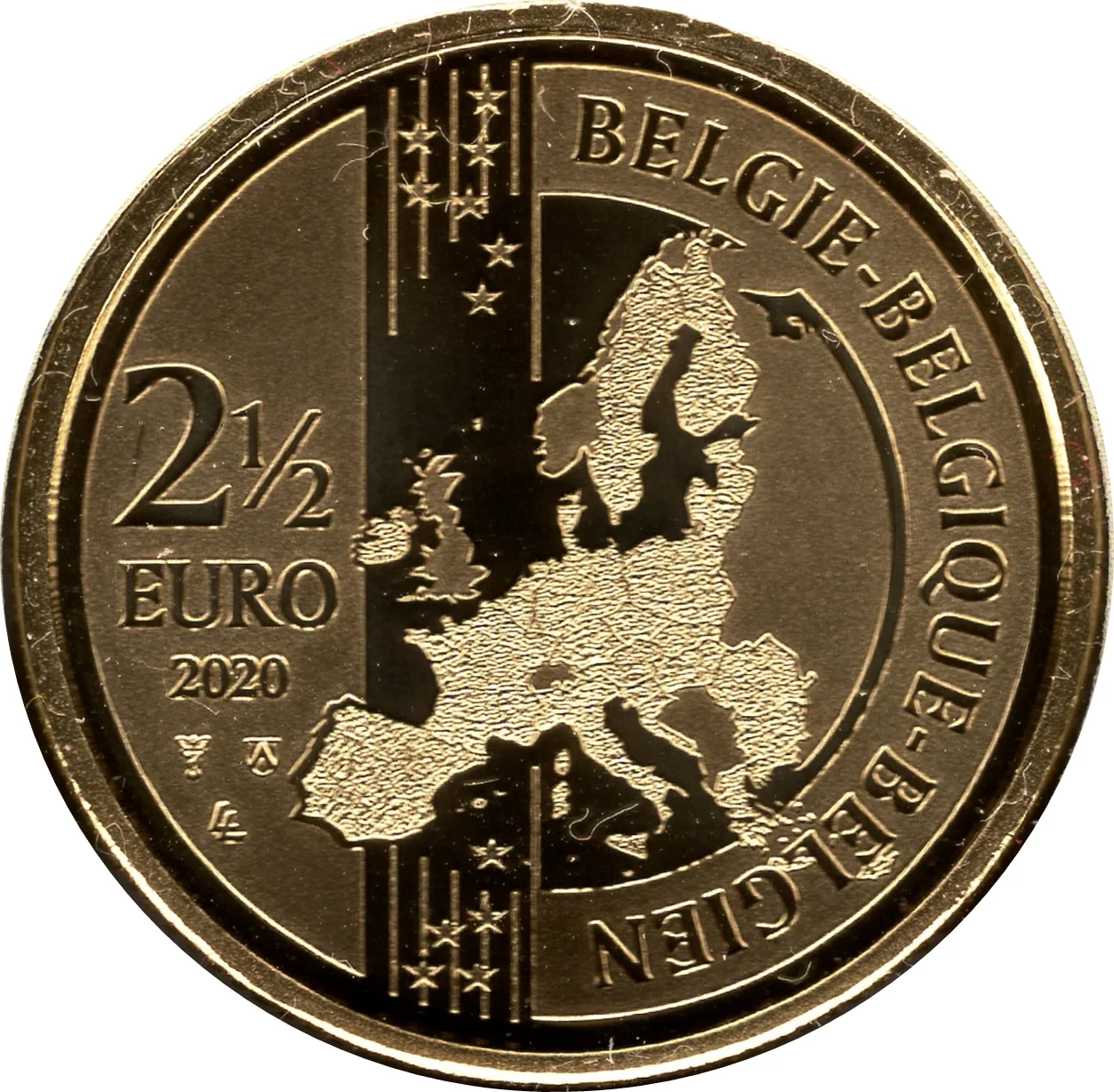
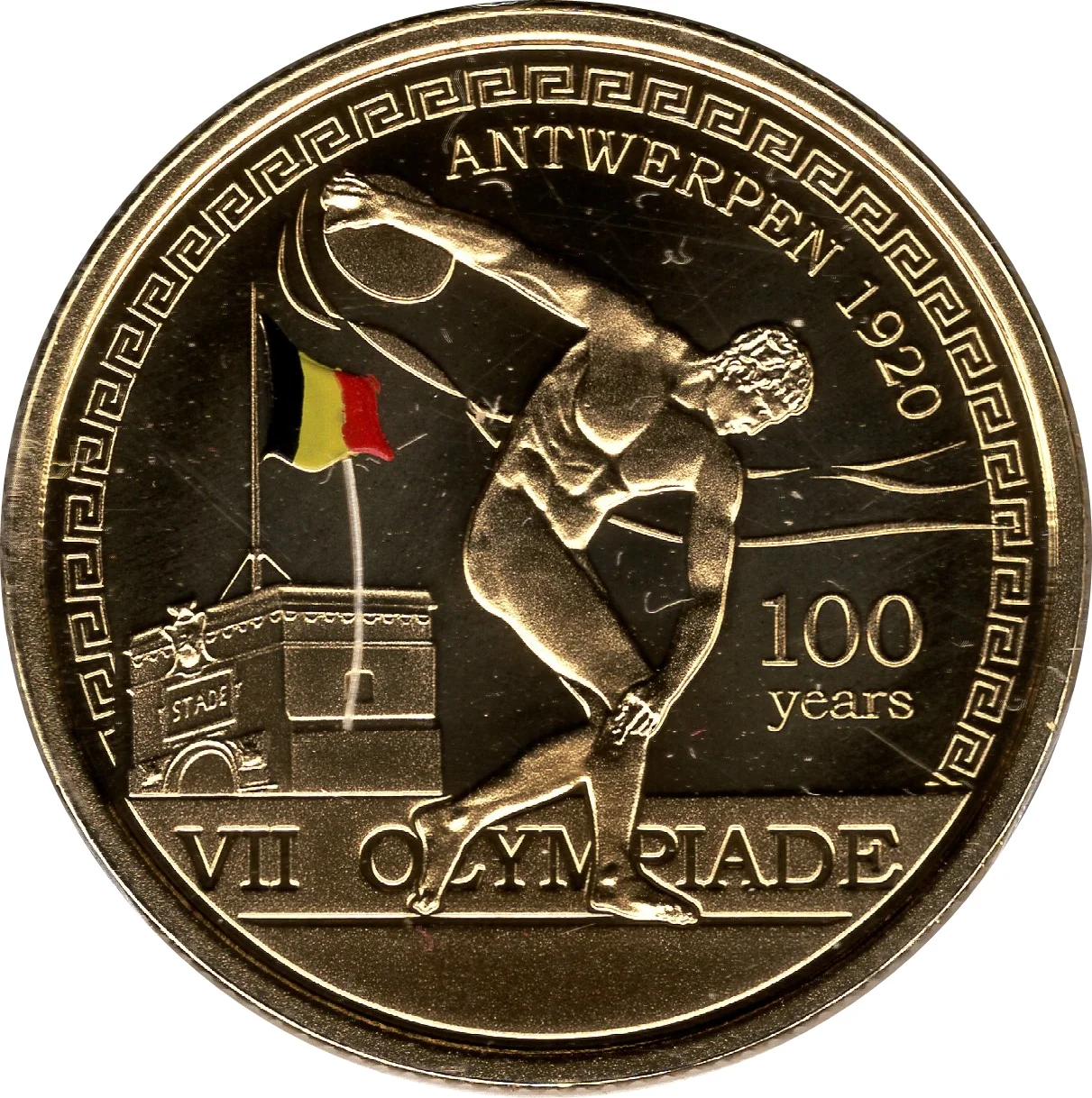
2.5 euro (1920 Summer Olympics in Antwerp) – Belgium
Add to wishlist
Non-circulating coins
Commemoration: 100th anniversary of the 1920 Summer Olympics in Antwerp
Belgium
Context
Material
References
KM: #
Numista: #231667
Value
Exchange value: 2.5 EUR
Inflation-adjusted value: 2.99 EUR
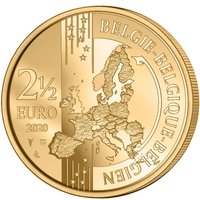
Obverse
Reverse
Edge
Mints
| Name | Mark |
|---|---|
| Royal Dutch Mint | — |
Mintings
| Year | Mint Mark | Mintage | Quality | Collection |
|---|---|---|---|---|
| 2020 | — | 25,000 |
Historical background
In 2020, Belgium's currency situation was firmly anchored within the Eurozone framework, using the euro (€) as its sole legal tender. As a founding member of the European Union and a key participant in the Economic and Monetary Union (EMU), Belgium had ceded monetary policy authority to the European Central Bank (ECB) in Frankfurt. Therefore, the primary monetary challenges and responses for the year were not national but European, dictated by the ECB's efforts to combat the severe economic fallout from the COVID-19 pandemic. The focus was on ensuring liquidity, stabilizing financial markets, and supporting member states' economies through unprecedented measures.
The year was dominated by the profound economic shock of the pandemic, which triggered a deep recession across the Eurozone. In response, the ECB significantly expanded its asset purchase programs, most notably the Pandemic Emergency Purchase Programme (PEPP), initiated in March 2020 with an initial envelope of €750 billion. For Belgium, this meant crucial support for its sovereign debt market, helping to keep government borrowing costs low as the state rolled out extensive fiscal support packages for businesses and households. These national measures, including temporary unemployment schemes and state-guaranteed loans, were funded through increased public borrowing, facilitated by the accommodating monetary policy from Frankfurt.
Domestically, while the currency itself was stable, the economic crisis accelerated existing trends in payment methods. The use of cash transactions declined noticeably due to hygiene concerns and increased online shopping, while contactless and digital payments saw a sharp rise. The National Bank of Belgium, operating under the ECB's umbrella, focused on ensuring the smooth circulation of cash and the stability of the financial system. Overall, Belgium's 2020 currency situation was characterized by a stable euro, deeply integrated European crisis management, and a rapid behavioral shift towards digital payments within the broader context of a severe economic contraction.
The year was dominated by the profound economic shock of the pandemic, which triggered a deep recession across the Eurozone. In response, the ECB significantly expanded its asset purchase programs, most notably the Pandemic Emergency Purchase Programme (PEPP), initiated in March 2020 with an initial envelope of €750 billion. For Belgium, this meant crucial support for its sovereign debt market, helping to keep government borrowing costs low as the state rolled out extensive fiscal support packages for businesses and households. These national measures, including temporary unemployment schemes and state-guaranteed loans, were funded through increased public borrowing, facilitated by the accommodating monetary policy from Frankfurt.
Domestically, while the currency itself was stable, the economic crisis accelerated existing trends in payment methods. The use of cash transactions declined noticeably due to hygiene concerns and increased online shopping, while contactless and digital payments saw a sharp rise. The National Bank of Belgium, operating under the ECB's umbrella, focused on ensuring the smooth circulation of cash and the stability of the financial system. Overall, Belgium's 2020 currency situation was characterized by a stable euro, deeply integrated European crisis management, and a rapid behavioral shift towards digital payments within the broader context of a severe economic contraction.


⭐ Rare