

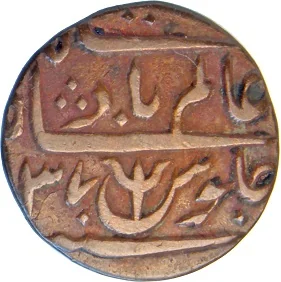
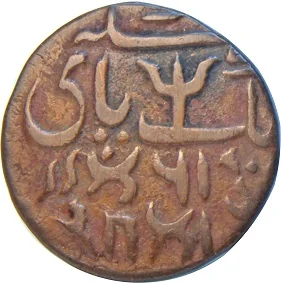
1 Paisa – Bengal Presidency
India

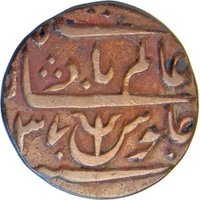
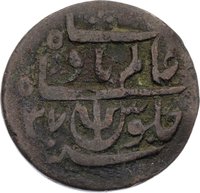
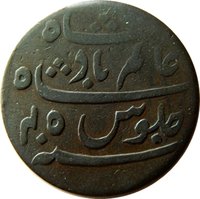
Obverse
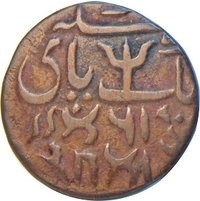
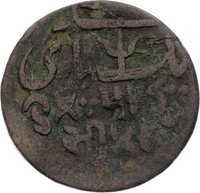
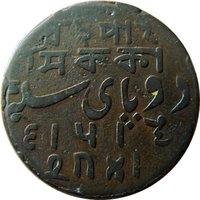
Reverse
Edge
Plain
Mintings
| Year | Mint Mark | Mintage | Quality | Collection |
|---|---|---|---|---|
| — | — | — |
Historical background
In 1815, the Bengal Presidency's currency system was a complex and often chaotic mosaic, still grappling with the transition from Mughal-era practices to a standardized British colonial monetary system. The dominant official currency was the silver Rupee, primarily the "Sicca Rupee" minted in Calcutta, but its value and acceptance were uneven. A plethora of older, worn Mughal rupees and regional variants remained in circulation, leading to confusing exchange rates and widespread discounting. Furthermore, the system was effectively bimetallic, with gold Mohurs also in use, but the fixed exchange rate between gold and silver failed to reflect fluctuating market bullion values, causing frequent dislocation and arbitrage.
This monetary confusion was exacerbated by a severe shortage of small-denomination coins for everyday transactions, a problem the Company had failed to adequately address. To fill this vacuum, a vast array of "cut money" (fragments of silver rupees chopped into pieces) and low-quality copper "pice" from various local and foreign sources circulated at variable, locally-determined rates. This informal system, while facilitating daily trade, was prone to fraud and created significant administrative and commercial inefficiency, hindering revenue collection and regional trade.
The East India Company administration, recognizing these problems, was on the cusp of major reform. The situation in 1815 represented the tail end of an unsustainable old order. Just three years later, in 1818, the Governor-General Lord Hastings would initiate the "Coinage Act," which demonetized the old Sicca Rupee and introduced the uniform "Company Rupee," aiming to finally impose a single, standard currency across the Presidency. Thus, 1815 was a year of lingering monetary fragmentation, immediately preceding a decisive, if gradual, move toward imperial standardization.
This monetary confusion was exacerbated by a severe shortage of small-denomination coins for everyday transactions, a problem the Company had failed to adequately address. To fill this vacuum, a vast array of "cut money" (fragments of silver rupees chopped into pieces) and low-quality copper "pice" from various local and foreign sources circulated at variable, locally-determined rates. This informal system, while facilitating daily trade, was prone to fraud and created significant administrative and commercial inefficiency, hindering revenue collection and regional trade.
The East India Company administration, recognizing these problems, was on the cusp of major reform. The situation in 1815 represented the tail end of an unsustainable old order. Just three years later, in 1818, the Governor-General Lord Hastings would initiate the "Coinage Act," which demonetized the old Sicca Rupee and introduced the uniform "Company Rupee," aiming to finally impose a single, standard currency across the Presidency. Thus, 1815 was a year of lingering monetary fragmentation, immediately preceding a decisive, if gradual, move toward imperial standardization.
💎 Very Rare