

2000 forint (Pál Szinyei Merse) – Hungary
Add to wishlist
Non-circulating coins
Commemoration: 175th Anniversary of Birth of Pál Szinyei Merse
Hungary
Context
Year: 2020
Issuer: Hungary
Issuing organization: Magyar Pénzverő
Period:
(since 1989)
Currency:
(since 1946)
Total mintage: 5,000
Material
References
Numista: #227730
Value
Exchange value: 2000 HUF
Inflation-adjusted value: 3112.24 HUF
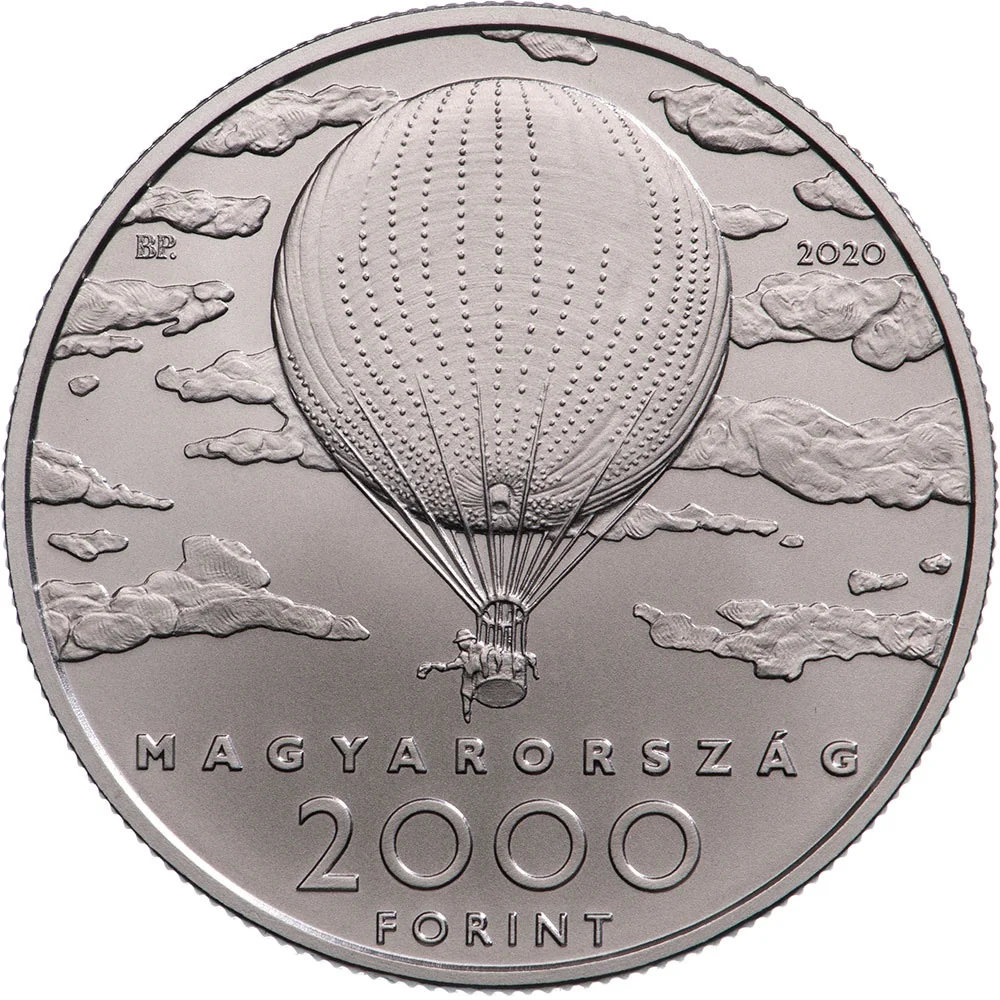
Obverse
Inscription:
BP. 2020
MAGYARORSZÁG
2000
FORINT
MAGYARORSZÁG
2000
FORINT
Translation:
Hungary
2000
Forint
2000
Forint
Script: Latin
Designer: Borbála Szanyi
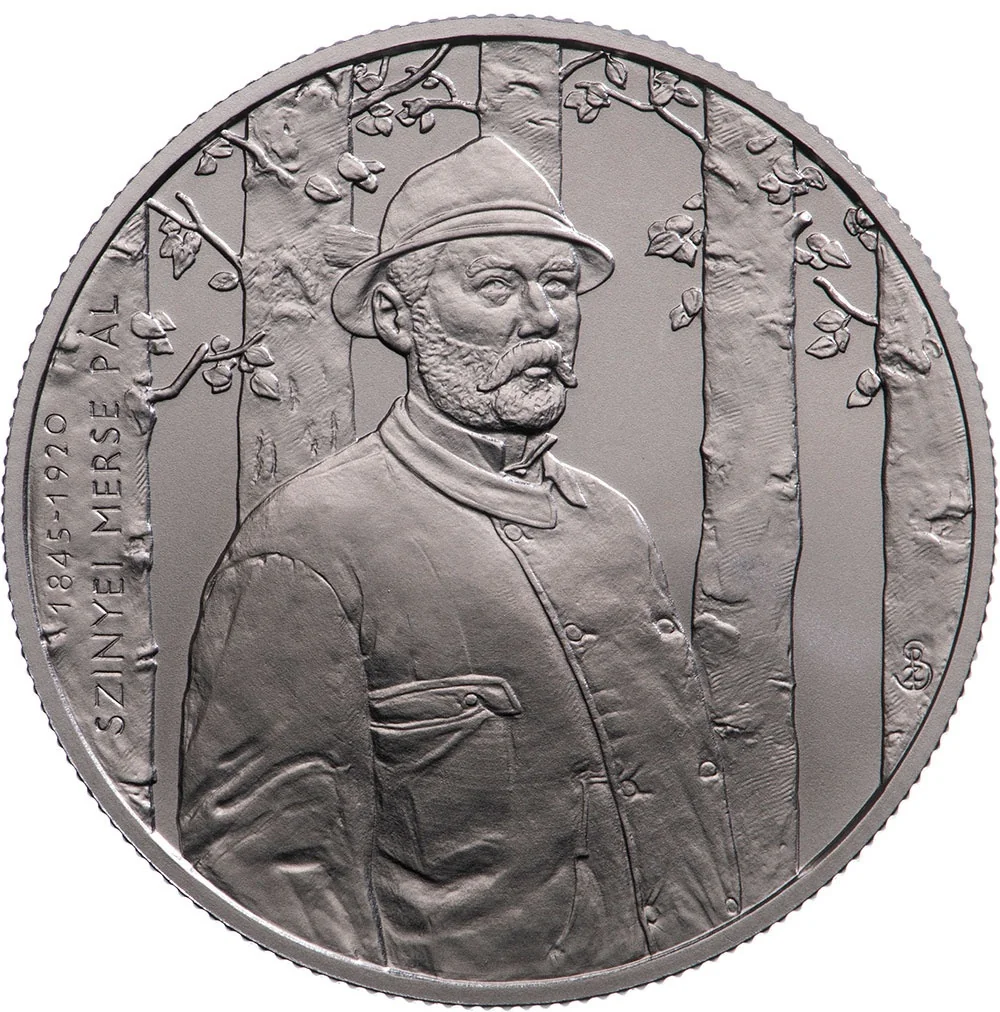
Reverse
Inscription:
1845-1920
SZINYEI MERSE PÁL
SZINYEI MERSE PÁL
Translation:
1845-1920
SZINYEI MERSE PÁL
SZINYEI MERSE PÁL
Script: Latin
Language: Hungarian
Designer: Borbála Szanyi
Edge
Reeded
Mints
| Name | Mark |
|---|---|
| Hungarian mint | BP. |
Mintings
| Year | Mint Mark | Mintage | Quality | Collection |
|---|---|---|---|---|
| 2020 | BP. | 5,000 | BU |
Historical background
In 2020, Hungary's currency, the forint (HUF), faced significant volatility and depreciation pressure, largely driven by the global economic shock of the COVID-19 pandemic. As a small, open economy in Central Europe, Hungary was highly exposed to the collapse in external demand and the sudden stop in global capital flows during the initial crisis wave in March. The forint weakened sharply against both the euro and the US dollar, reaching historic lows above 360 HUF/EUR, as investors fled to safe-haven assets and risk premiums for emerging markets soared. This depreciation was exacerbated by the Hungarian central bank's (MNB) relatively cautious initial response compared to regional peers.
The situation was further complicated by pre-existing domestic factors. Hungary's economic policy mix, characterized by loose fiscal policy and a central bank focused on preserving financial stability and supporting growth through a "self-financing" strategy, created underlying vulnerabilities. The MNB maintained a complex toolkit of instruments, including a one-week deposit facility as its key policy rate, which it used to manage liquidity and the currency. Throughout the year, the bank faced a delicate balancing act: it aimed to provide liquidity to cushion the economic blow and finance government spending, while also attempting to stem the forint's slide, which imported inflation and increased the burden of foreign-currency-denominated debt.
By the second half of 2020, the forint's trajectory began to stabilize and partially reverse its losses. This recovery was supported by a global rebound in risk appetite, the European Union's agreement on a recovery fund, and a decisive shift by the MNB. In June, the central bank signaled a more hawkish stance, gradually raising its one-week deposit rate and committing to using its tools to fight inflation and support the currency. Consequently, the forint ended the year significantly stronger than its lows, around 360 HUF/EUR, but the experience highlighted its sensitivity to global sentiment and the ongoing challenges of managing inflation, growth, and exchange rate stability in a volatile environment.
The situation was further complicated by pre-existing domestic factors. Hungary's economic policy mix, characterized by loose fiscal policy and a central bank focused on preserving financial stability and supporting growth through a "self-financing" strategy, created underlying vulnerabilities. The MNB maintained a complex toolkit of instruments, including a one-week deposit facility as its key policy rate, which it used to manage liquidity and the currency. Throughout the year, the bank faced a delicate balancing act: it aimed to provide liquidity to cushion the economic blow and finance government spending, while also attempting to stem the forint's slide, which imported inflation and increased the burden of foreign-currency-denominated debt.
By the second half of 2020, the forint's trajectory began to stabilize and partially reverse its losses. This recovery was supported by a global rebound in risk appetite, the European Union's agreement on a recovery fund, and a decisive shift by the MNB. In June, the central bank signaled a more hawkish stance, gradually raising its one-week deposit rate and committing to using its tools to fight inflation and support the currency. Consequently, the forint ended the year significantly stronger than its lows, around 360 HUF/EUR, but the experience highlighted its sensitivity to global sentiment and the ongoing challenges of managing inflation, growth, and exchange rate stability in a volatile environment.
💎 Very Rare