

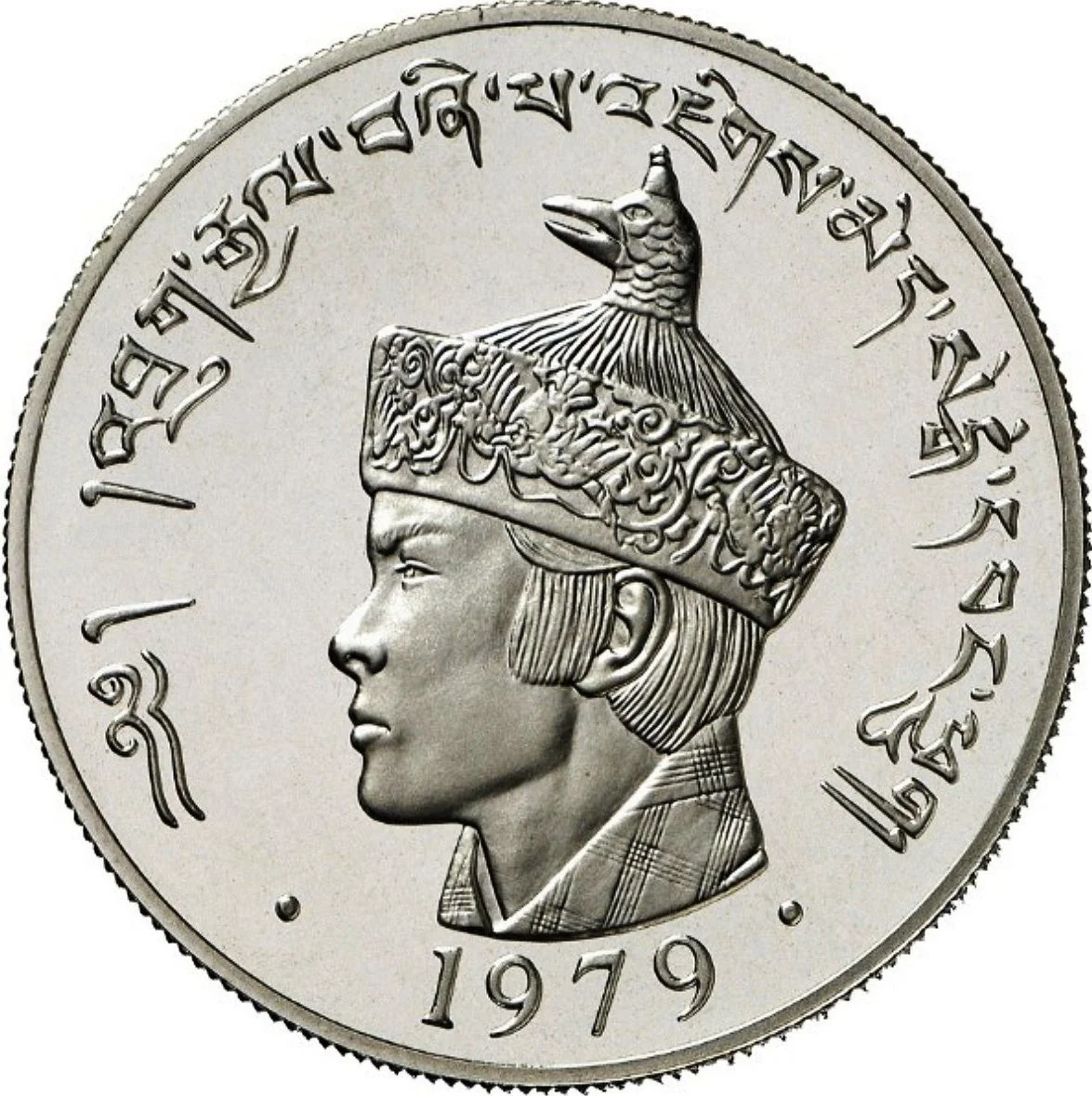
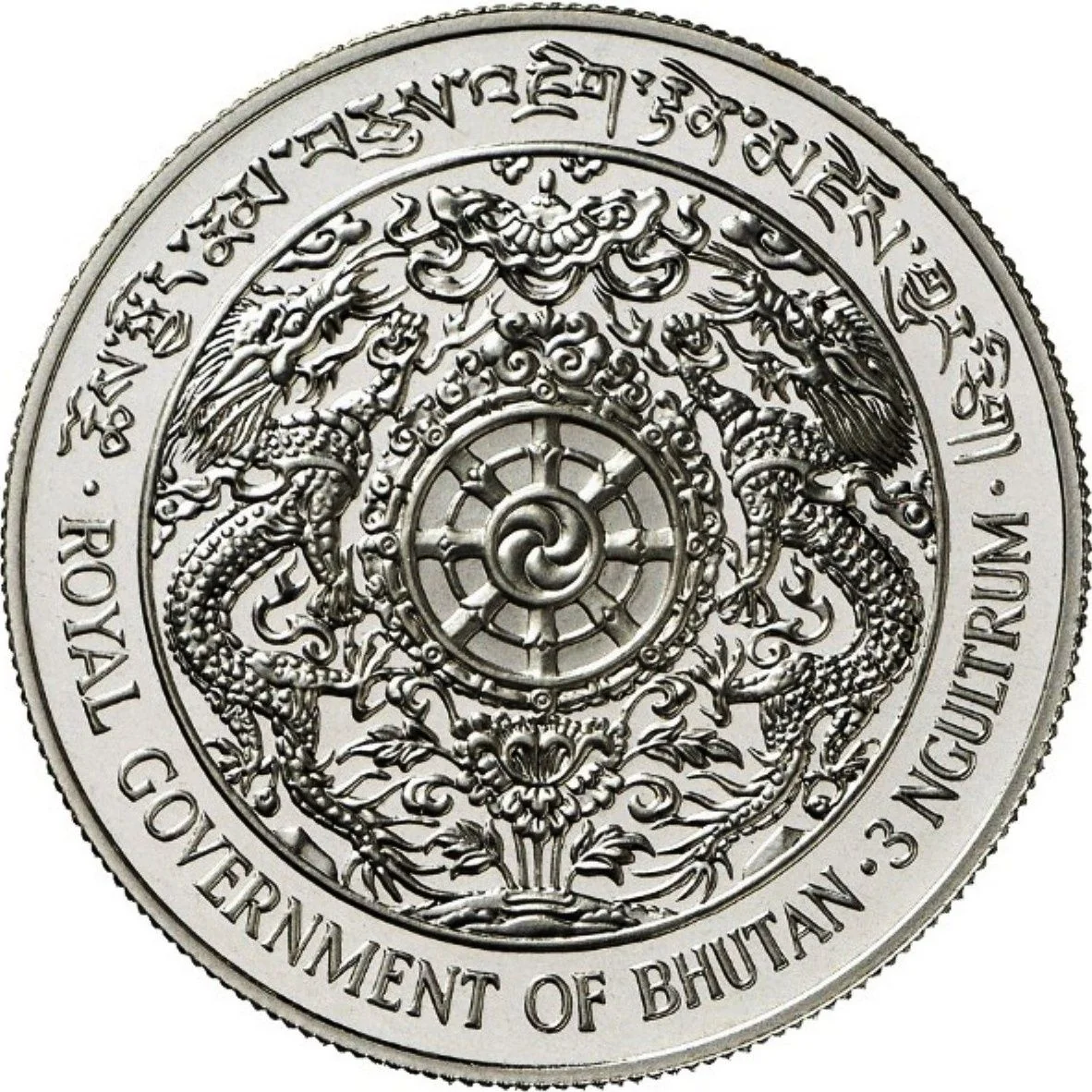
3 ngultrums – Bhutan
Add to wishlist
Non-circulating coins
Commemoration: Wedding of Jigme Singye Wangchuck
Bhutan
Context
Year: 1979
Issuer: Bhutan
Issuing organization: Royal Monetary Authority of Bhutan
Ruler: Jigme Singye
Currency:
(since 1974)
Total mintage: 10,000
Material
References
KM: #
Numista: #109606
Value
Exchange value: 3 BTN
Bullion value: $64.76
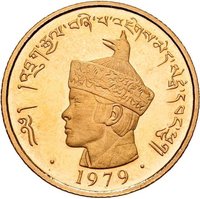
Obverse
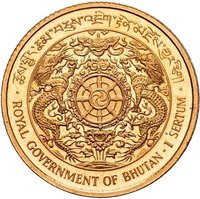
Reverse
Edge
Reeded
Categories
| Mythology> Fantastic animal |
| Marriage |
| Person> Monarch |
| Symbol> Crown |
| Symbols> Coat of Arms |
Mints
| Name | Mark |
|---|---|
| Royal Mint | — |
Mintings
| Year | Mint Mark | Mintage | Quality | Collection |
|---|---|---|---|---|
| 1979 | — | 10,000 | Proof |
Historical background
In 1979, Bhutan’s currency situation was defined by its unique monetary integration with India, governed by the 1974 Currency Agreement. Bhutan did not have an independent central bank or its own fiat currency; instead, the Indian rupee was legal tender and circulated widely throughout the kingdom. The Bhutanese ngultrum (Nu.), introduced in 1974, was pegged at par with the Indian rupee (1:1) and was also legal tender, but its circulation was limited and it functioned more as a complementary national symbol alongside the dominant rupee.
This arrangement was a pragmatic cornerstone of Bhutan’s economic policy, ensuring monetary stability and facilitating critical trade. As a landlocked nation with India as its overwhelmingly dominant trading partner, accounting for nearly all its imports and exports, the peg eliminated exchange rate risk and simplified commerce. Bhutan’s entire monetary system was effectively managed through the Royal Monetary Authority (established in 1982), which at the time operated more as a department of finance, relying on the Indian banking system for currency management and foreign exchange reserves.
Consequently, Bhutan had no independent monetary policy in 1979. Its money supply and interest rates were directly influenced by India’s economic decisions, particularly those of the Reserve Bank of India. This dependency provided stability but also meant Bhutan’s economy was vulnerable to inflationary pressures or shocks originating in India. The situation in 1979 thus reflected a period of transition, where Bhutan maintained a secure but dependent monetary framework as it gradually built its own institutional capacity for eventual greater financial autonomy.
This arrangement was a pragmatic cornerstone of Bhutan’s economic policy, ensuring monetary stability and facilitating critical trade. As a landlocked nation with India as its overwhelmingly dominant trading partner, accounting for nearly all its imports and exports, the peg eliminated exchange rate risk and simplified commerce. Bhutan’s entire monetary system was effectively managed through the Royal Monetary Authority (established in 1982), which at the time operated more as a department of finance, relying on the Indian banking system for currency management and foreign exchange reserves.
Consequently, Bhutan had no independent monetary policy in 1979. Its money supply and interest rates were directly influenced by India’s economic decisions, particularly those of the Reserve Bank of India. This dependency provided stability but also meant Bhutan’s economy was vulnerable to inflationary pressures or shocks originating in India. The situation in 1979 thus reflected a period of transition, where Bhutan maintained a secure but dependent monetary framework as it gradually built its own institutional capacity for eventual greater financial autonomy.
💎 Extremely Rare