

Iran
Context
Year: 1894
Islamic (Hijri) Year: 1311
Issuer: Iran 
Ruler: Naser al-Din Shah
Currency:
(1825—1932)
Demonetized: Yes
Material
References
KM: #Click to copy to clipboard947
Numista: #215792
Value
Bullion value: $4291.79
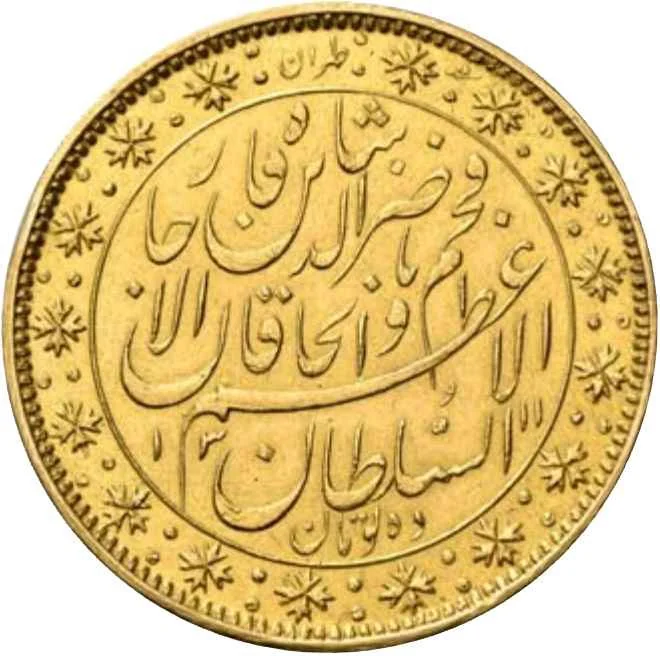
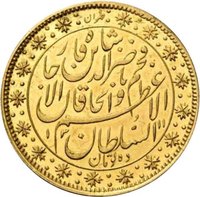
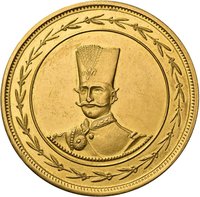
Obverse
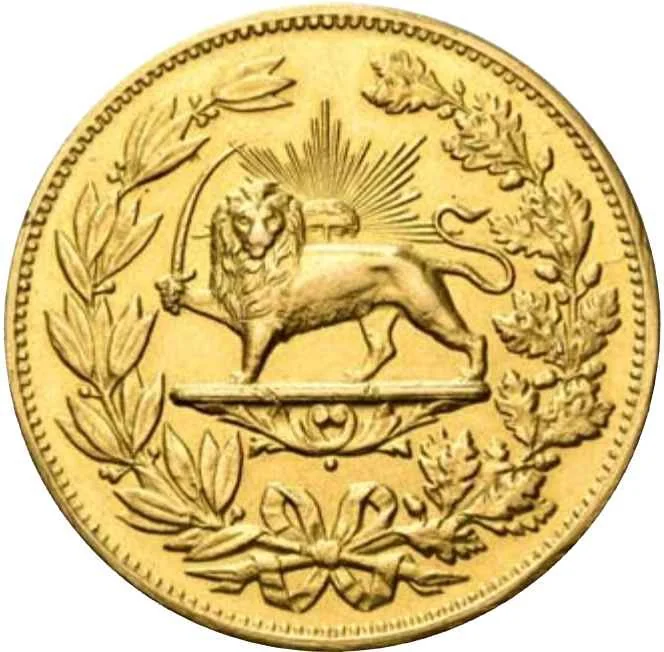
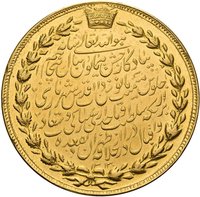
Reverse
Description:
Lion walking left with sword, sunface above, inside wreath.
Edge
Mints
| Name | Mark |
|---|---|
| Tehran | طهران |
Mintings
| Year | Mint Mark | Mintage | Quality | Collection |
|---|---|---|---|---|
| 1894 | — | — |
Historical background
In 1894, Iran’s currency system was in a state of profound disarray, a legacy of the Qajar dynasty’s chronic financial mismanagement and external pressures. The monetary landscape was a chaotic patchwork of domestic and foreign coins. The principal silver unit was the kran, but its value and silver content were unstable due to repeated debasement by the government, which minted coins to cover budget shortfalls. Alongside these, gold tomans (worth 10 krans), copper shahis, and a vast array of older and foreign coins—especially Russian rubles and British sovereigns—circulated with fluctuating exchange rates, creating a bewildering and inefficient marketplace.
This instability was exacerbated by the global fall in the price of silver from the 1870s onward. As Iran’s silver-based currency depreciated against the gold-standard currencies of its major trading partners, Russia and Britain, it caused severe economic distortions. The government’s revenues, fixed in devaluing silver krans, fell in real terms, while its expenditures on foreign imports and debt servicing, often stipulated in gold, effectively increased. This silver depreciation crisis drained specie from the country and fueled inflation, harming both the state treasury and the general populace.
The situation was a clear symptom of Iran’s semi-colonial economic status. British and Russian imperial banks, notably the British-owned Imperial Bank of Persia (established in 1889), held significant influence and issued their own banknotes, further complicating the monetary scene. While there were growing calls from reformist statesmen for a standardized, national currency and a central bank, these efforts faced entrenched opposition. Thus, in 1894, Iran remained without a unified modern monetary system, its economy handicapped by a fragile and chaotic currency that reflected the broader weaknesses of the Qajar state.
This instability was exacerbated by the global fall in the price of silver from the 1870s onward. As Iran’s silver-based currency depreciated against the gold-standard currencies of its major trading partners, Russia and Britain, it caused severe economic distortions. The government’s revenues, fixed in devaluing silver krans, fell in real terms, while its expenditures on foreign imports and debt servicing, often stipulated in gold, effectively increased. This silver depreciation crisis drained specie from the country and fueled inflation, harming both the state treasury and the general populace.
The situation was a clear symptom of Iran’s semi-colonial economic status. British and Russian imperial banks, notably the British-owned Imperial Bank of Persia (established in 1889), held significant influence and issued their own banknotes, further complicating the monetary scene. While there were growing calls from reformist statesmen for a standardized, national currency and a central bank, these efforts faced entrenched opposition. Thus, in 1894, Iran remained without a unified modern monetary system, its economy handicapped by a fragile and chaotic currency that reflected the broader weaknesses of the Qajar state.
✨ Legendary