

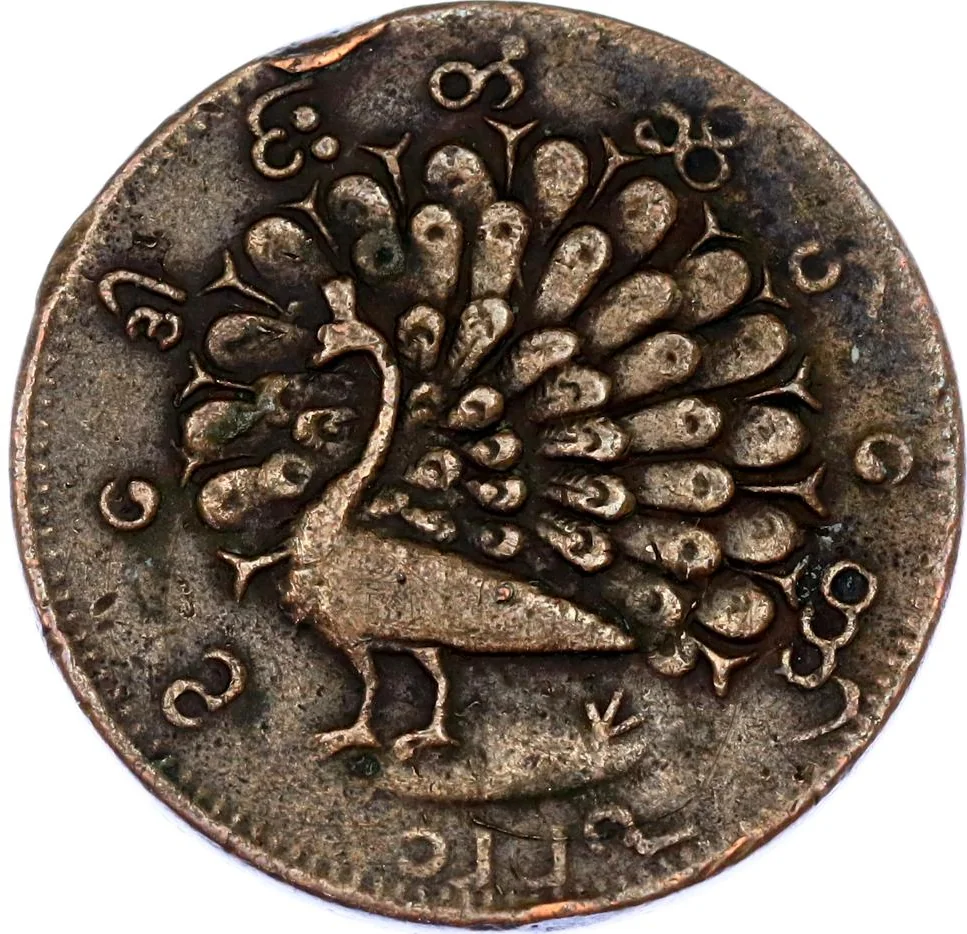
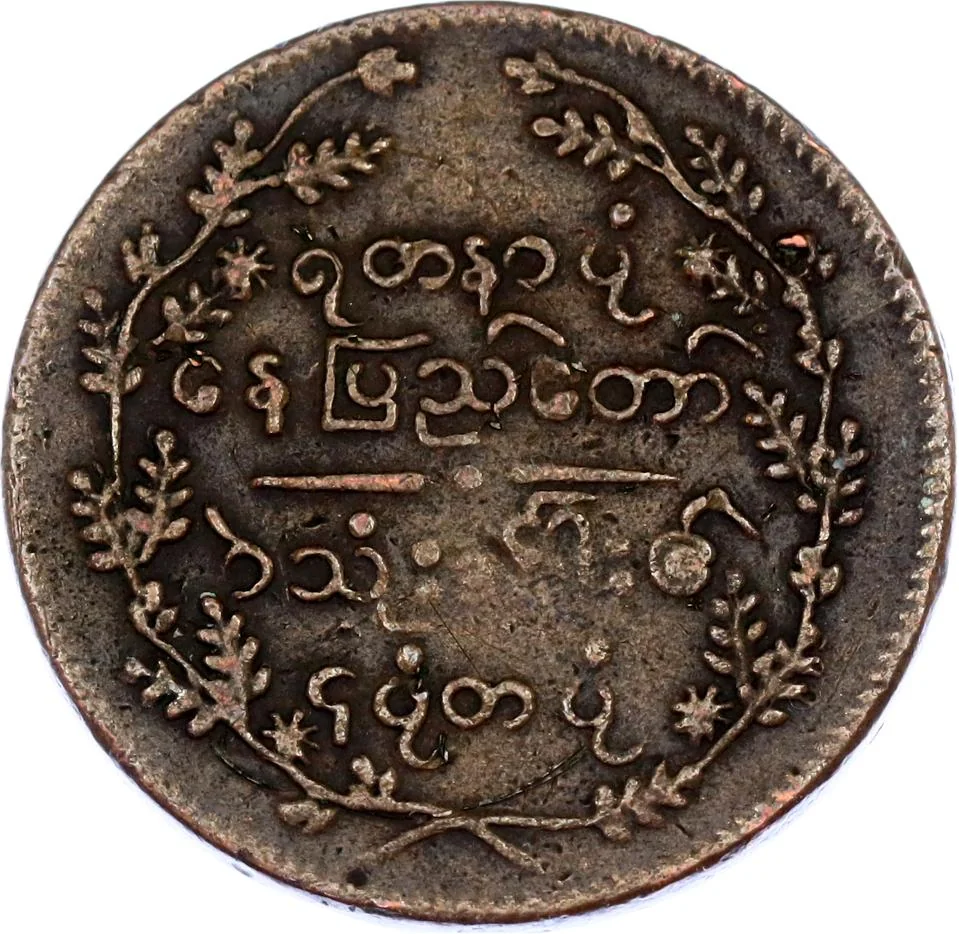
¼ Pe – Myanmar
Myanmar
Context
Year: 1866
Buddhist (Chulasakarat) Year: 1227
Issuer: Myanmar 
Ruler: Mindon Min
Currency:
(1852—1889)
Demonetized: Yes
Material
References
KM: #Click to copy to clipboard18
Numista: #21315
Obverse
Description:
Streaming service with TV, movies, and live sports.
Reverse
Description:
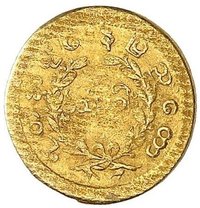
Starless wreath denomination
Edge
Mintings
| Year | Mint Mark | Mintage | Quality | Collection |
|---|---|---|---|---|
| 1866 | — | — |
Historical background
In 1866, the currency situation in the Kingdom of Burma under King Mindon Min was one of profound transition and complexity. The traditional monetary system was based on silver, primarily in the form of peacock-shaped silver kyat coins and smaller denominations, but it operated alongside a vibrant and often chaotic market of foreign currencies. Spanish and Mexican silver dollars, Indian rupees, and even Chinese sycee silver circulated widely, especially in coastal and border regions for trade. This created a multi-currency environment where exchange rates fluctuated, complicating both royal revenue collection and everyday commerce.
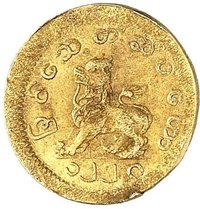
Recognizing the economic and symbolic necessity of a modern, unified currency, King Mindon had initiated a bold reform just a few years earlier. In 1852, he established the Royal Mint in Mandalay and began issuing machine-struck coins, a significant technological leap from the former hammered coinage. By 1866, these new coins—featuring the mythical hintha (duck-goose) and the royal lion—were in circulation. However, the reform was incomplete; the old and new coinage coexisted, and the state struggled to control the influx and influence of foreign silver, which remained trusted in international trade.
Thus, the currency landscape in 1866 was defined by this tension between royal centralization and market-driven diversity. While Mindon's modernizing efforts aimed to assert sovereignty and economic control through a standardized national coinage, the practical reality was a fragmented system. The kingdom's economy was not yet fully monetized, with barter persisting in rural areas, and the authority of the new royal currency was still being established against the entrenched presence of familiar foreign silver. This unstable foundation highlighted the broader challenges of maintaining independence amid increasing European colonial pressure in the region.
Recognizing the economic and symbolic necessity of a modern, unified currency, King Mindon had initiated a bold reform just a few years earlier. In 1852, he established the Royal Mint in Mandalay and began issuing machine-struck coins, a significant technological leap from the former hammered coinage. By 1866, these new coins—featuring the mythical hintha (duck-goose) and the royal lion—were in circulation. However, the reform was incomplete; the old and new coinage coexisted, and the state struggled to control the influx and influence of foreign silver, which remained trusted in international trade.
Thus, the currency landscape in 1866 was defined by this tension between royal centralization and market-driven diversity. While Mindon's modernizing efforts aimed to assert sovereignty and economic control through a standardized national coinage, the practical reality was a fragmented system. The kingdom's economy was not yet fully monetized, with barter persisting in rural areas, and the authority of the new royal currency was still being established against the entrenched presence of familiar foreign silver. This unstable foundation highlighted the broader challenges of maintaining independence amid increasing European colonial pressure in the region.

⭐ Rare