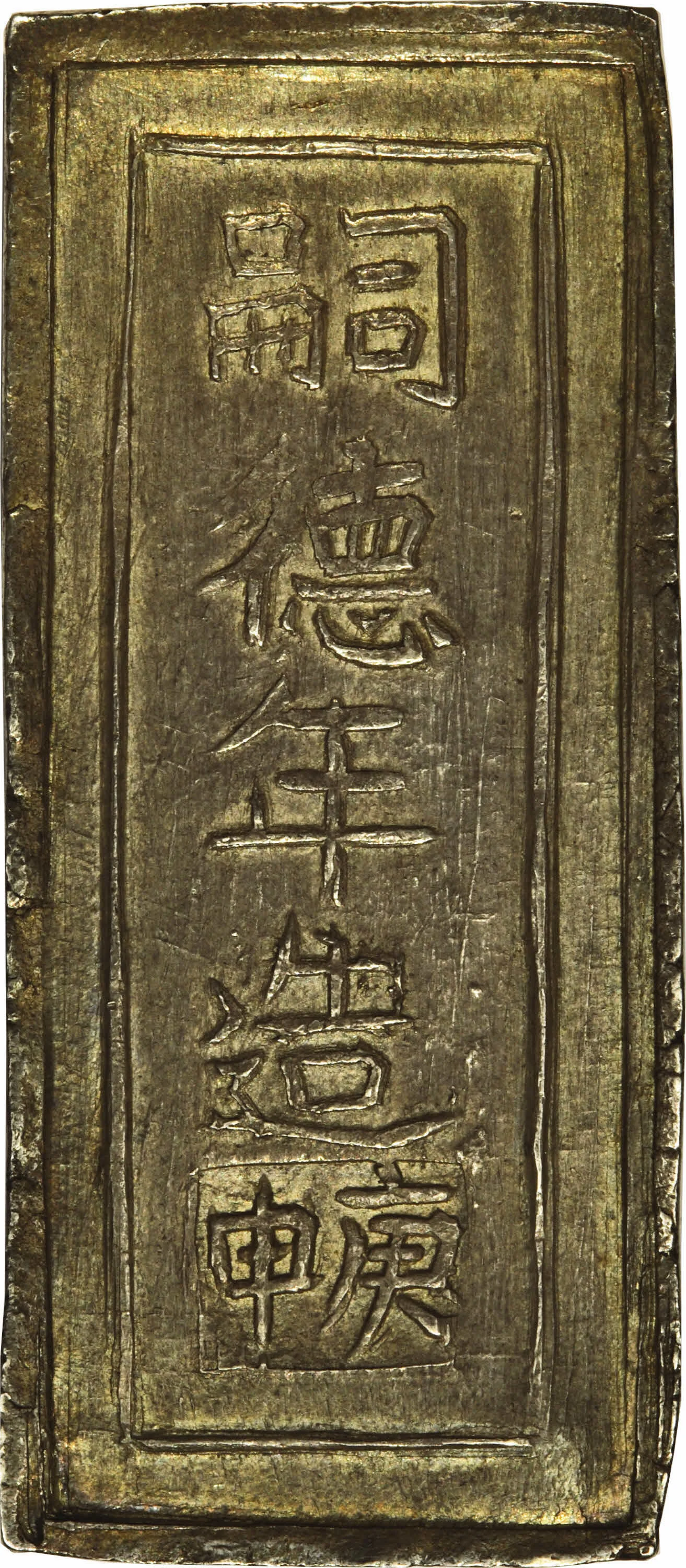
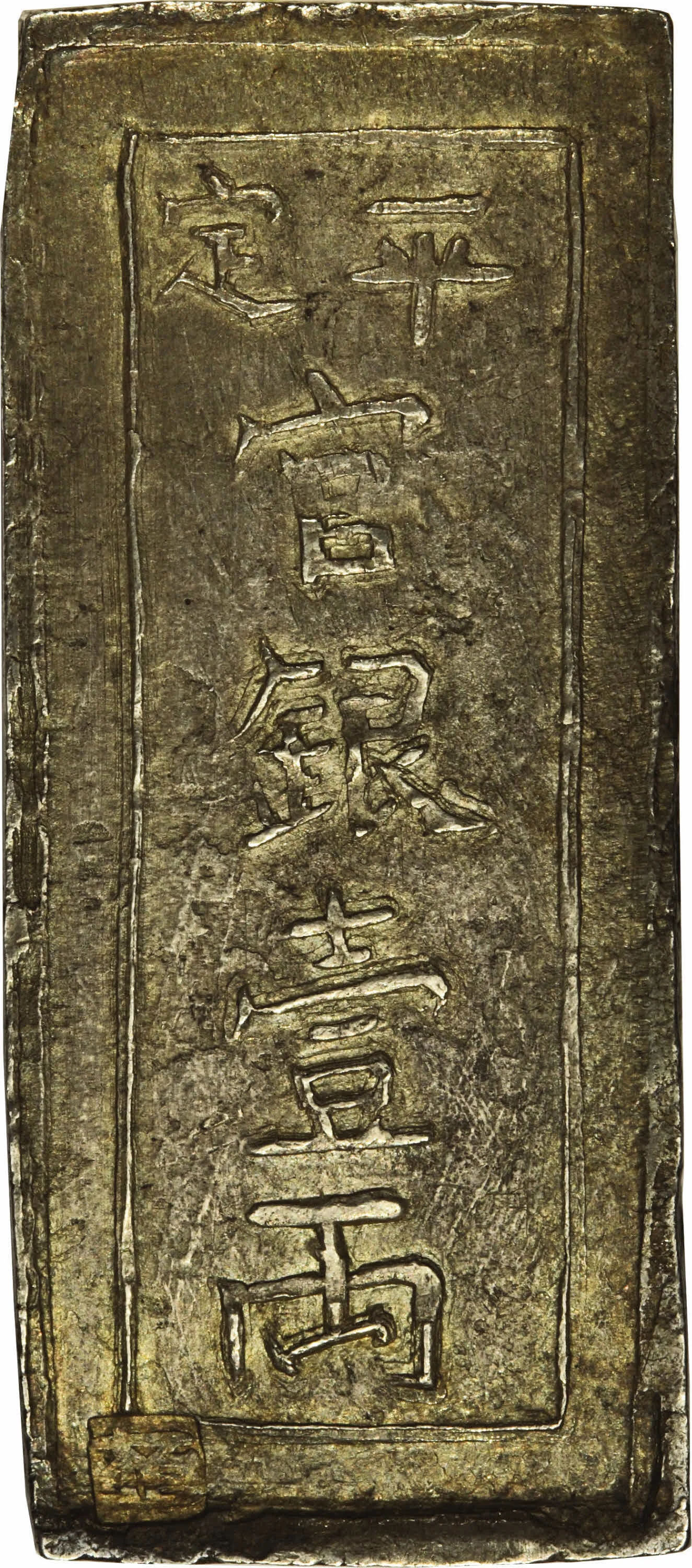
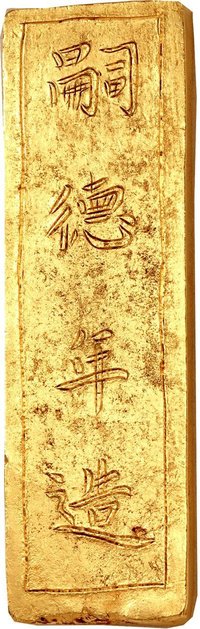
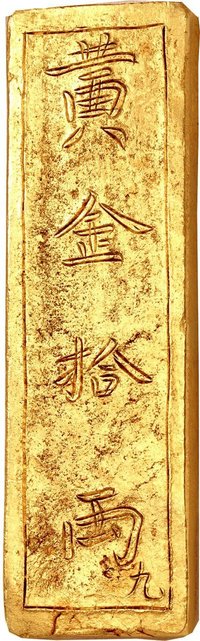
In 1860, the currency situation within the Empire of Vietnam (Đại Nam) was complex and fragmented, reflecting the country's pre-modern economic structures and growing external pressures. The official currency system, administered by the Nguyễn Dynasty court in Huế, was theoretically based on a trimetallic standard of copper cash coins (
văn), silver bars or ingots (
lạng or
tael), and gold. Transactions, especially large-scale official ones like tax payments, were often calculated in theoretical units of silver, but the physical circulation was dominated by strings of cast copper cash coins produced by state mints. However, the supply of these coins was inconsistent, leading to chronic shortages of legitimate currency in many regions.
This instability was exacerbated by widespread counterfeiting and the circulation of a vast quantity of debased or privately minted coins, which eroded public trust. Furthermore, the monetary system was not unified; alongside the imperial coinage, older coins from previous dynasties and even Chinese cash coins circulated freely, their values fluctuating based on weight, metal content, and local acceptance. In the southern regions, particularly in the commercial hub of Cochinchina (Nam Kỳ), the situation was even more diverse due to greater foreign contact. Spanish and Mexican silver dollars (
pesos, often called "pieces of eight") were already established as a preferred medium for significant trade, prized for their consistent silver content and wide acceptance in international commerce.
The year 1860 fell within a period of profound crisis that would directly reshape this monetary landscape. France had already captured Saigon in 1859, and by 1860, French forces were consolidating their hold on the surrounding provinces. This military intervention marked the beginning of the end for the traditional currency system in the south. While the Nguyễn court in central and northern Vietnam continued to operate its mints amidst growing difficulties, the French colonial administration in occupied Cochinchina would soon begin to impose its own monetary order, systematically replacing the existing patchwork with a standardized, franc-based currency, thereby setting the stage for a dual and increasingly colonial economic reality in the decades to follow.