

1 rupee – Sri Lanka
Add to wishlist
Sri Lanka
Context
Material
Diameter: 20 mm
Weight: 3.9 g
Thickness: 1.7 mm
Shape: Round
Composition: Stainless steel
Technique: Milled
Alignment: Medal alignment
flip
References
KM: #
Numista: #109151
Value
Exchange value: 1 LKR
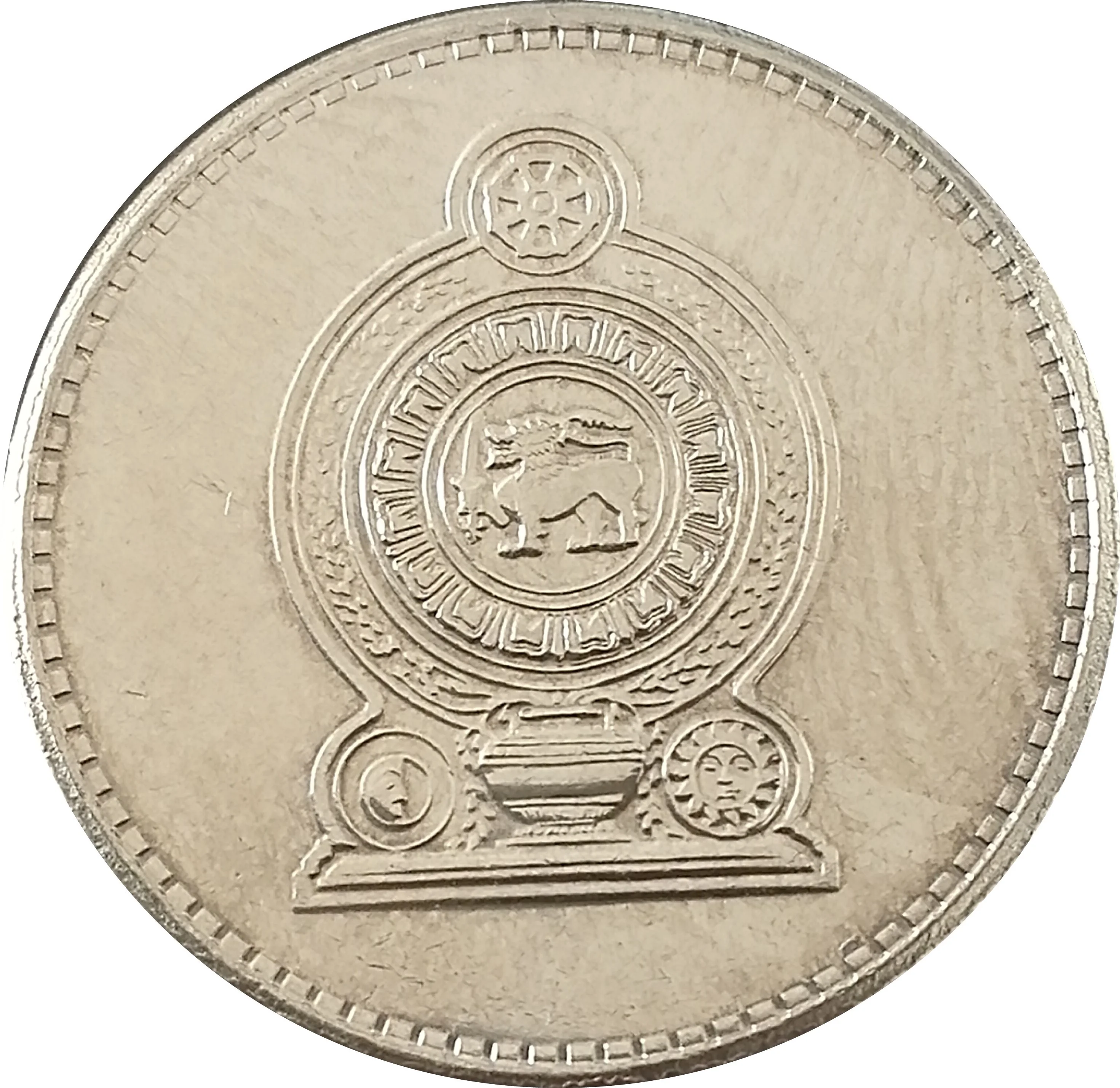
Obverse
Description:
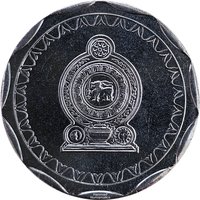
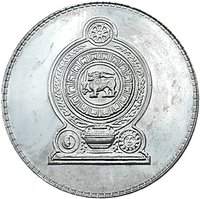
Emblem.
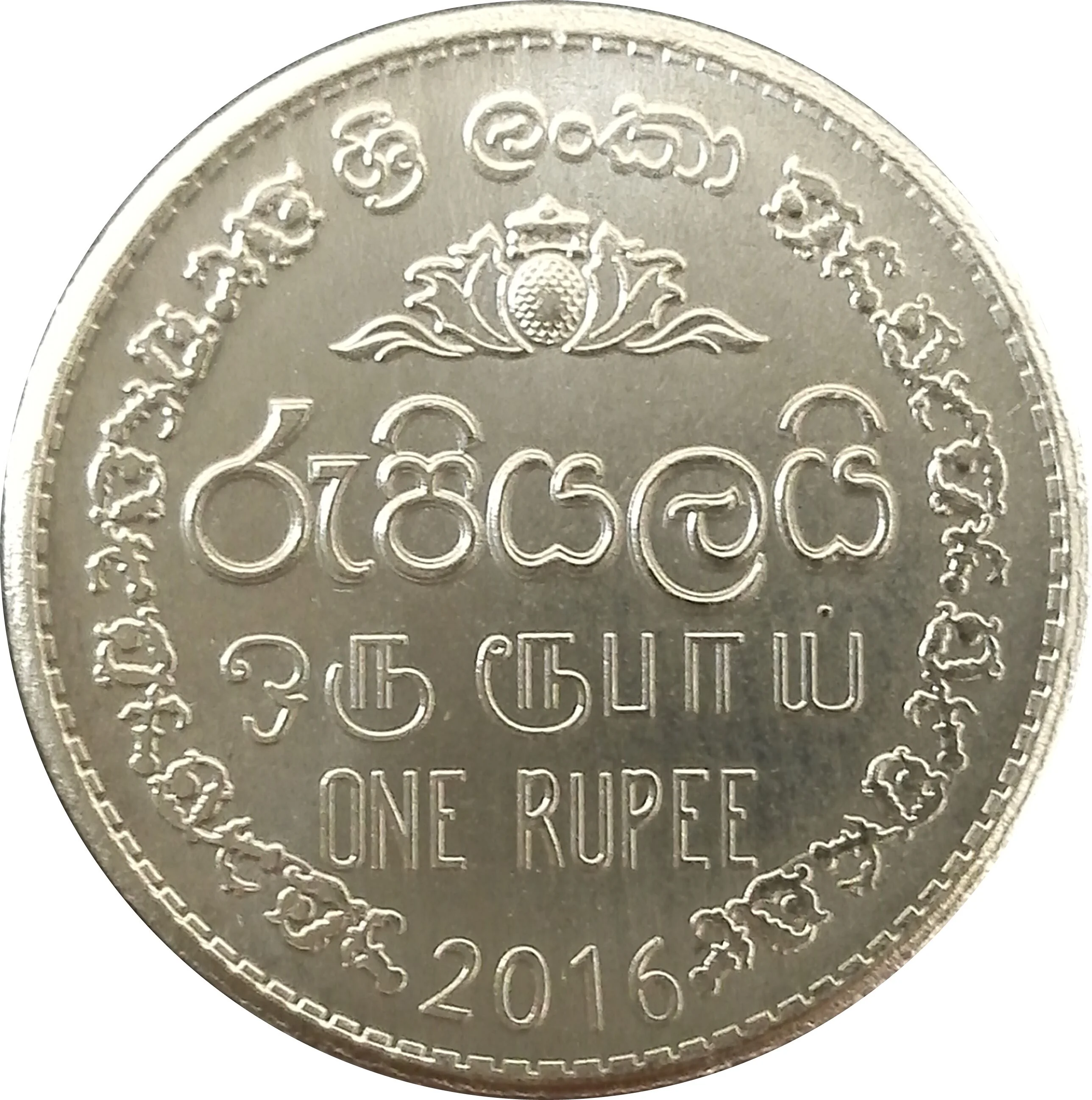
Reverse
Edge
Segmented reeding
Mintings
| Year | Mint Mark | Mintage | Quality | Collection |
|---|---|---|---|---|
| 2016 | — | — |
Historical background
In 2016, Sri Lanka's currency situation was characterized by significant pressure on the Sri Lankan Rupee (LKR) and declining foreign exchange reserves, setting the stage for the economic challenges that would escalate in later years. The Central Bank of Sri Lanka (CBSL) was actively defending a managed float exchange rate regime, intervening in markets to slow the rupee's depreciation against the US dollar. This period followed a 2015 decision to cease direct deficit financing, which shifted borrowing to external and domestic markets, increasing debt service pressures. Key concerns included a widening trade deficit, high external debt repayments, and lackluster export performance, which collectively strained the country's balance of payments.
Monetary policy during this year was broadly accommodative, with the CBSL cutting key interest rates in early 2016 to stimulate growth. However, this contributed to credit expansion and rising imports, further exacerbating pressure on the rupee. While the government secured a three-year Extended Fund Facility (EFF) from the International Monetary Fund (IMF) in mid-2016 worth approximately USD 1.5 billion, the immediate objective was to correct external imbalances and rebuild reserves. The program included commitments to greater exchange rate flexibility, but interventions continued, leading to a gradual depreciation rather than a sharp correction.
Overall, 2016 represented a critical juncture where underlying vulnerabilities—including high public debt, fiscal deficits, and a fragile external position—were being managed through international assistance rather than fully resolved. The IMF program provided temporary stability and a buffer for reserves, but the structural issues of low revenue, unsustainable debt, and a weak export base persisted. The currency management tactics of this year, balancing between control and gradual adjustment, ultimately proved insufficient to prevent the more severe crisis that unfolded in the subsequent years.
Monetary policy during this year was broadly accommodative, with the CBSL cutting key interest rates in early 2016 to stimulate growth. However, this contributed to credit expansion and rising imports, further exacerbating pressure on the rupee. While the government secured a three-year Extended Fund Facility (EFF) from the International Monetary Fund (IMF) in mid-2016 worth approximately USD 1.5 billion, the immediate objective was to correct external imbalances and rebuild reserves. The program included commitments to greater exchange rate flexibility, but interventions continued, leading to a gradual depreciation rather than a sharp correction.
Overall, 2016 represented a critical juncture where underlying vulnerabilities—including high public debt, fiscal deficits, and a fragile external position—were being managed through international assistance rather than fully resolved. The IMF program provided temporary stability and a buffer for reserves, but the structural issues of low revenue, unsustainable debt, and a weak export base persisted. The currency management tactics of this year, balancing between control and gradual adjustment, ultimately proved insufficient to prevent the more severe crisis that unfolded in the subsequent years.
🌱 Common