

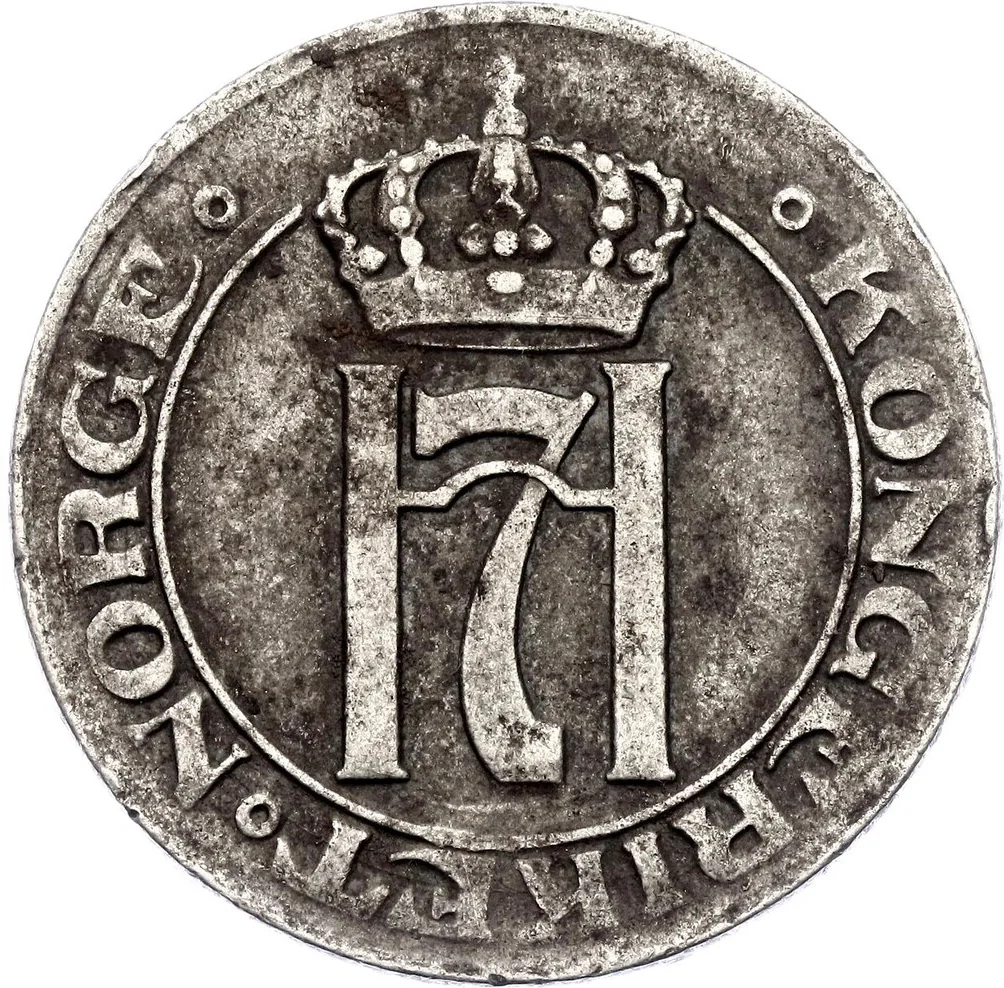
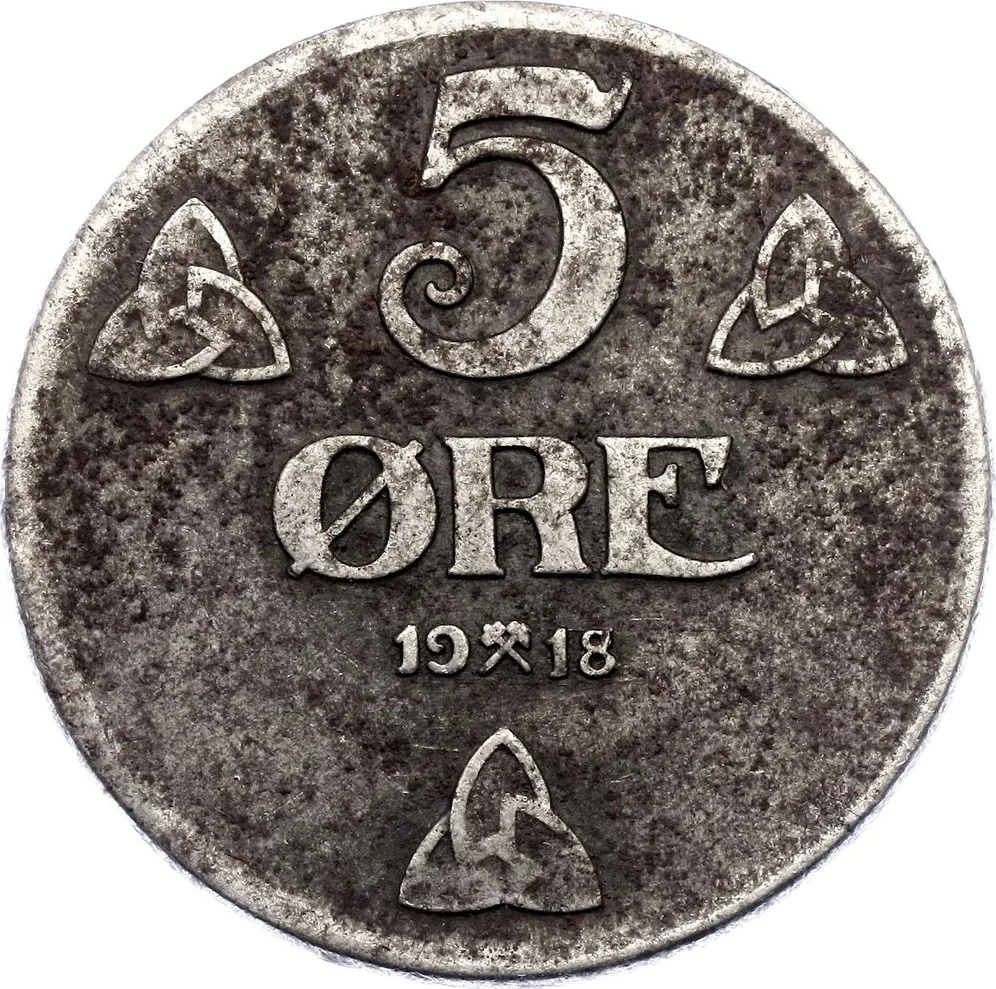
5 øre – Norway
Add to wishlist
Norway
Context
Years: 1917–1920
Issuer: Norway
Ruler: Haakon VII
Currency:
(since 1875)
Demonetized: Yes
Total mintage: 7,225,000
Material
References
KM: #
Numista: #19957
Value
Exchange value: 0.05 NOK
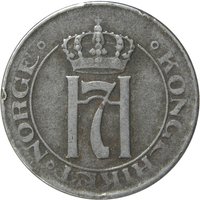
Obverse
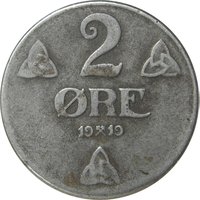
Reverse
Edge
Plain
Mints
| Name | Mark |
|---|---|
| Norwegian Mint | — |
Mintings
| Year | Mint Mark | Mintage | Quality | Collection |
|---|---|---|---|---|
| 1917 | — | 1,700,000 | ||
| 1918 | — | 432,000 | ||
| 1919 | — | 3,464,000 | ||
| 1920 | — | 1,629,000 |
Historical background
In 1917, Norway’s currency situation was defined by the extraordinary pressures of World War I, despite the country's official neutrality. The Norwegian krone, which had been on the international gold standard since 1874, was effectively taken off gold in August 1914 as the war disrupted global financial markets. To prevent a run on gold reserves and a banking crisis, the Norwegian parliament (Stortinget) granted the central bank (Norges Bank) emergency powers to suspend the convertibility of banknotes into gold. This move freed the bank to issue more currency and provide liquidity to the economy, but it also severed the krone's automatic link to a fixed external value.
The war created severe economic distortions, including rampant inflation and a precarious balance of payments. Norway, as a major shipping nation, earned substantial foreign currency from its merchant fleet, but these earnings were offset by high costs for essential imports like coal, grain, and manufactured goods. Trade blockades and submarine warfare further strained supply lines, leading to goods shortages and soaring prices. To manage the foreign exchange crisis, the government and Norges Bank established a de facto exchange control regime in 1916-1917, prioritizing access to foreign currency for critical imports like food and fuel.
Consequently, by 1917, the krone was a managed, inconvertible paper currency whose value was sustained by administrative measures rather than gold backing. Norges Bank actively intervened in the currency market to stabilize the exchange rate, particularly against the US dollar and British pound, which were crucial for trade. This period marked a decisive shift from pre-war monetary orthodoxy to a system of direct state and central bank intervention, laying the groundwork for the managed monetary policies that would characterize the early interwar years. The financial legacy of 1917 was one of high inflation, a heavily indebted government, and a currency whose stability was entirely dependent on discretionary policy.
The war created severe economic distortions, including rampant inflation and a precarious balance of payments. Norway, as a major shipping nation, earned substantial foreign currency from its merchant fleet, but these earnings were offset by high costs for essential imports like coal, grain, and manufactured goods. Trade blockades and submarine warfare further strained supply lines, leading to goods shortages and soaring prices. To manage the foreign exchange crisis, the government and Norges Bank established a de facto exchange control regime in 1916-1917, prioritizing access to foreign currency for critical imports like food and fuel.
Consequently, by 1917, the krone was a managed, inconvertible paper currency whose value was sustained by administrative measures rather than gold backing. Norges Bank actively intervened in the currency market to stabilize the exchange rate, particularly against the US dollar and British pound, which were crucial for trade. This period marked a decisive shift from pre-war monetary orthodoxy to a system of direct state and central bank intervention, laying the groundwork for the managed monetary policies that would characterize the early interwar years. The financial legacy of 1917 was one of high inflation, a heavily indebted government, and a currency whose stability was entirely dependent on discretionary policy.
🌱 Fairly Common