

1 Abbasi – Shirvan Khanate
Context
Material
Diameter: 21 mm
Weight: 2.26 g
Silver weight: 2.26 g
Shape: Irregular round
Composition: Silver
Magnetic: No
Technique: Hammered
References
KM: #Click to copy to clipboard20
Numista: #198155
Value
Bullion value: $6.42
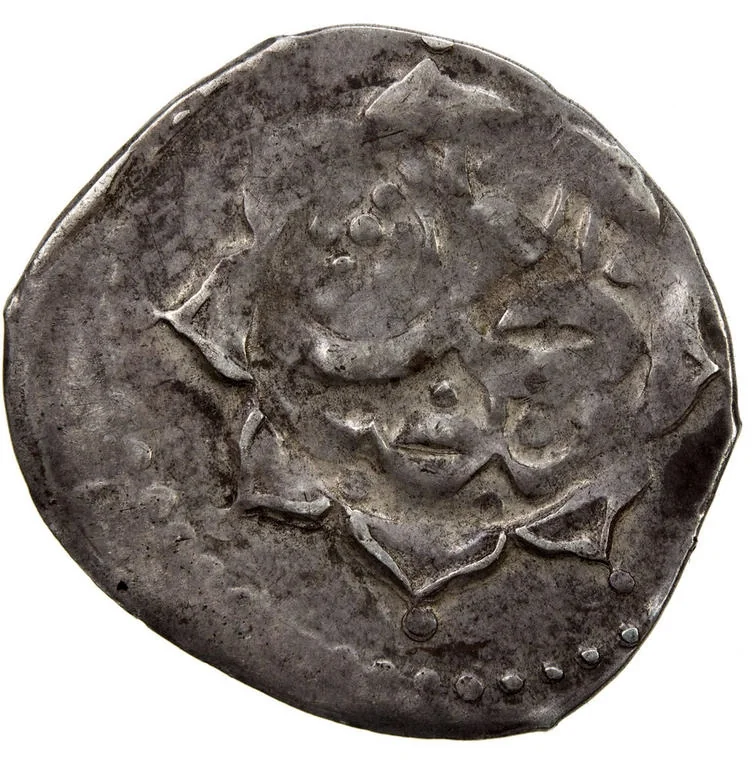
Obverse
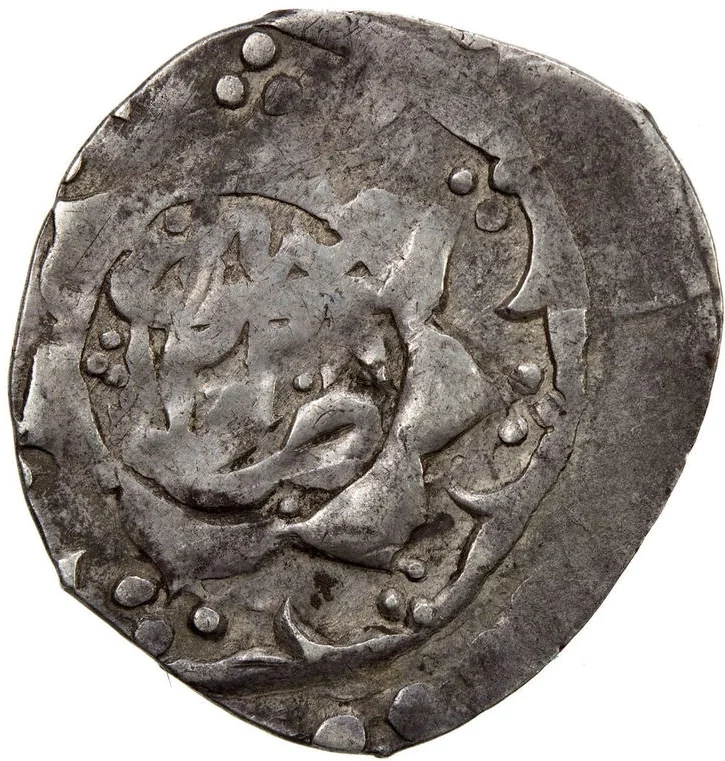
Reverse
Edge
Plain
Mintings
| Year | Mint Mark | Mintage | Quality | Collection |
|---|---|---|---|---|
| — | — | — | ||
| 1801 | — | — | ||
| 1802 | — | — | ||
| 1803 | — | — | ||
| 1804 | — | — | ||
| 1805 | — | — | ||
| 1806 | — | — | ||
| 1807 | — | — | ||
| 1808 | — | — | ||
| 1809 | — | — | ||
| 1810 | — | — | ||
| 1812 | — | — | ||
| 1813 | — | — | ||
| 1815 | — | — | ||
| 1816 | — | — | ||
| 1817 | — | — | ||
| 1818 | — | — | ||
| 1819 | — | — | ||
| 1820 | — | — |
Historical background
In 1801, the Shirvan Khanate, a semi-autonomous Persian domain in the Caucasus, operated within a complex and fragmented monetary system reflective of its political limbo. The primary circulating currency was the Persian silver abbasi and its fractional coins, minted locally in Shemakha under the authority of the Khan, Mustafa Khan. However, these coins competed with a wide array of foreign silver entering the region through trade and warfare, including Russian rubles, Ottoman piastres, and various European thalers. This created a chaotic exchange environment where the value and purity of coins were inconsistent, leading to frequent mercantile disputes.
The monetary situation was directly tied to the khanate’s precarious sovereignty. While nominally a vassal of Qajar Persia, Shirvan was under intense and growing pressure from the Russian Empire, which was aggressively expanding southward into the Caucasus. The Russian military presence and political influence meant that Russian currency was increasingly used for official transactions and tribute, undermining the Khan's own minting authority. This monetary duality mirrored the broader geopolitical struggle, with the local abbasi symbolizing Persian suzerainty and the Russian ruble representing the impending imperial shift.
Consequently, the currency system in 1801 was not only an economic tool but a political indicator of instability. The coexistence of multiple coinages hampered internal trade and state revenue collection, while the declining reliability of local minting reflected the Khan's weakening control. Within just five years, this fragile equilibrium would collapse entirely; following the Russo-Persian War (1804–1813) and the Treaty of Gulistan in 1813, Shirvan would be formally annexed by the Russian Empire, and its monetary system would be fully absorbed into the Russian imperial rubric.
The monetary situation was directly tied to the khanate’s precarious sovereignty. While nominally a vassal of Qajar Persia, Shirvan was under intense and growing pressure from the Russian Empire, which was aggressively expanding southward into the Caucasus. The Russian military presence and political influence meant that Russian currency was increasingly used for official transactions and tribute, undermining the Khan's own minting authority. This monetary duality mirrored the broader geopolitical struggle, with the local abbasi symbolizing Persian suzerainty and the Russian ruble representing the impending imperial shift.
Consequently, the currency system in 1801 was not only an economic tool but a political indicator of instability. The coexistence of multiple coinages hampered internal trade and state revenue collection, while the declining reliability of local minting reflected the Khan's weakening control. Within just five years, this fragile equilibrium would collapse entirely; following the Russo-Persian War (1804–1813) and the Treaty of Gulistan in 1813, Shirvan would be formally annexed by the Russian Empire, and its monetary system would be fully absorbed into the Russian imperial rubric.
✨ Legendary