

1 Qiran (Fat'h Ali reign) – Iran
Circulating commemorative coins
Commemoration: 30th anniversary of Fat'h Ali reign
Iran
Context
Year: 1862
Iranian - Persian Year: 1241
Issuer: Iran 
Ruler: Naser al-Din Shah
Currency:
(1825—1932)
Demonetization: 1834
Material
References
KM: #Click to copy to clipboard710
Numista: #196618
Value
Bullion value: $19.67
Obverse
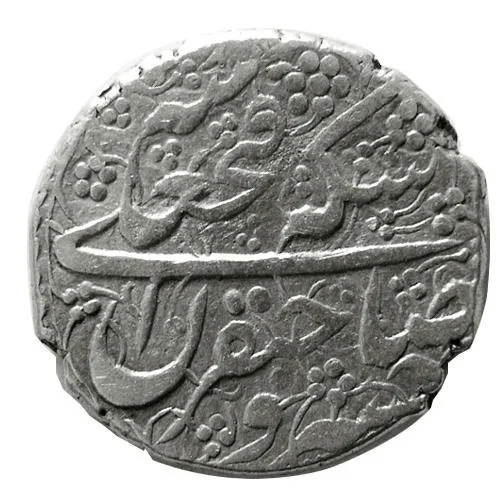
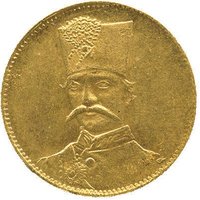
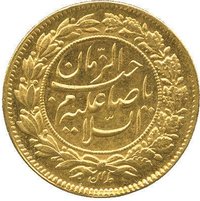
Inscription:
سکه فتحعلی شه
خسرو صاحبقران
خسرو صاحبقران
Translation:
Coin of Fath Ali Shah,
The Khusrow, Lord of the Auspicious Conjunction.
The Khusrow, Lord of the Auspicious Conjunction.
Language: Persian
Reverse
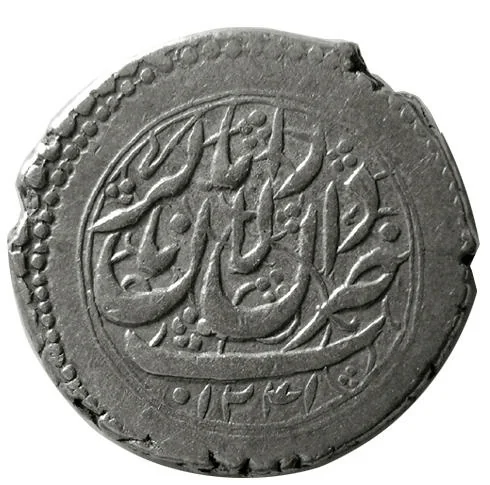
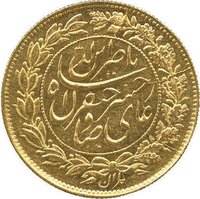
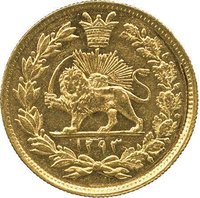
Inscription:
ضرب دارالامان کرمان
۱۲۴۱
۱۲۴۱
Translation:
Struck in the Abode of Security, Kerman
1241
1241
Language: Persian
Edge
Plain
Mints
| Name | Mark |
|---|---|
| Kerman | — |
Mintings
| Year | Mint Mark | Mintage | Quality | Collection |
|---|---|---|---|---|
| 1862 | — | — |
Historical background
In 1862, Iran’s monetary system was in a state of profound disorder and transition, rooted in centuries of debasement and external pressure. The country operated on a bimetallic system based on the silver qiran and the gold toman (equal to 10 qiran), but the actual currency in circulation was a chaotic mix of domestic and foreign coins. Domestically, successive Qajar rulers had frequently debased the silver coinage to finance state expenditures, leading to a severe loss of public trust. Simultaneously, a flood of foreign silver coins, particularly Russian rubles and British Indian rupees, circulated widely, especially in border regions and trade centers, further undermining the national currency's authority and stability.
This monetary chaos was exacerbated by a critical shortage of precious metals and a chronic trade deficit. Iran’s economy was largely agrarian and its export of goods like carpets, silk, and opium was insufficient to balance the import of manufactured European textiles and other goods. The resulting outflow of silver bullion drained the metal needed to mint coins, creating physical scarcity. Furthermore, the state lacked a central bank or unified minting authority; coin production was decentralized across various provincial mints, leading to significant inconsistencies in weight, purity, and value from region to region.
The year 1862 fell within a period of attempted reform under Naser al-Din Shah Qajar and his reformist prime minister, Mirza Hosein Khan Moshir od-Dowleh. Recognizing that monetary instability was a major obstacle to modern trade and state revenue, the government was in the early stages of contemplating modernization. While a major centralization of the mint and the introduction of uniform coinage would not be realized until the later Currency Act of 1881, the pressures in 1862—including increasing integration into the global economy and the demands of European powers for reliable financial transactions—were laying the groundwork for the systemic changes that would follow in the coming decades.
This monetary chaos was exacerbated by a critical shortage of precious metals and a chronic trade deficit. Iran’s economy was largely agrarian and its export of goods like carpets, silk, and opium was insufficient to balance the import of manufactured European textiles and other goods. The resulting outflow of silver bullion drained the metal needed to mint coins, creating physical scarcity. Furthermore, the state lacked a central bank or unified minting authority; coin production was decentralized across various provincial mints, leading to significant inconsistencies in weight, purity, and value from region to region.
The year 1862 fell within a period of attempted reform under Naser al-Din Shah Qajar and his reformist prime minister, Mirza Hosein Khan Moshir od-Dowleh. Recognizing that monetary instability was a major obstacle to modern trade and state revenue, the government was in the early stages of contemplating modernization. While a major centralization of the mint and the introduction of uniform coinage would not be realized until the later Currency Act of 1881, the pressures in 1862—including increasing integration into the global economy and the demands of European powers for reliable financial transactions—were laying the groundwork for the systemic changes that would follow in the coming decades.
✨ Legendary