

Iran
Context
Year: 1833
Islamic (Hijri) Year: 1249
Issuer: Iran 
Ruler: Fath-Ali Shah
Currency:
(1825—1932)
Demonetization: 1834
Material
References
KM: #Click to copy to clipboard710
Numista: #196614
Value
Bullion value: $19.96
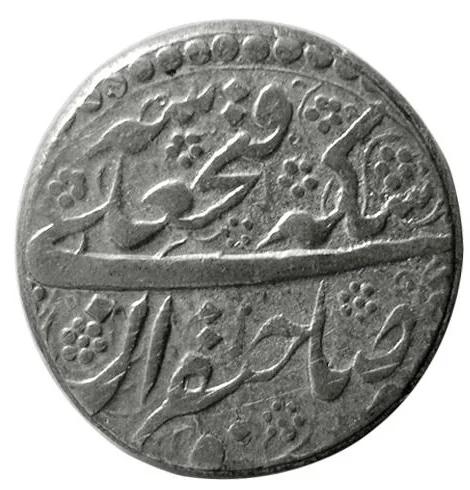
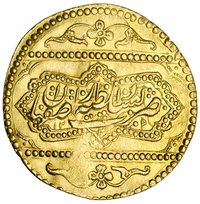
Obverse
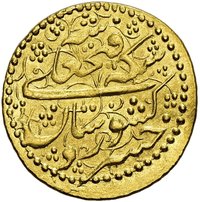
Inscription:
سکه فتحعلی شه
خسرو صاحبقران
خسرو صاحبقران
Translation:
Coin of Fath Ali Shah,
The Khusrow, Lord of the Auspicious Conjunction.
The Khusrow, Lord of the Auspicious Conjunction.
Language: Persian
Reverse
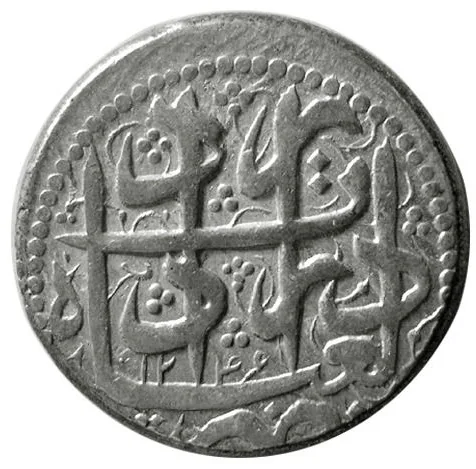
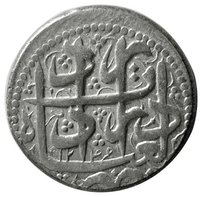
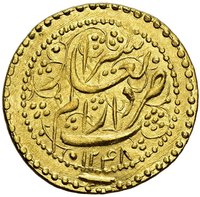
Inscription:
ضرب دارالعبـاده یزد
۱۲۴۶
۱۲۴۶
Translation:
Struck in Dar al-Ibādat Yazd
1246 [AH]
1246 [AH]
Language: Persian
Edge
Plain
Mintings
| Year | Mint Mark | Mintage | Quality | Collection |
|---|---|---|---|---|
| 1833 | — | — |
Historical background
In 1833, Iran’s currency system was a complex and fragmented reflection of its decentralized Qajar state and struggling economy. The monetary landscape was dominated by silver, primarily the qiran (also spelled kran), a thin, irregularly minted silver coin that served as the main unit of account. However, the system was not uniform. Various provincial mints produced coins of differing weights and purity, while a multitude of older and foreign coins—like the Russian ruble, British rupee, and Ottoman currencies—circulated freely, especially in border regions and major trading ports. This lack of standardization created chronic confusion in commerce and facilitated widespread fraud and clipping of coins.
The broader economic context was one of severe strain. Iran’s traditional artisan industries were suffering from competition with cheap European manufactured goods, while the state treasury was depleted due to costly military campaigns, royal extravagance, and a inefficient tax-farming system. Furthermore, the country had suffered a series of devastating famines and a major cholera pandemic in the 1820s, which had decimated the population and agricultural output. This economic weakness directly impacted the currency, leading to frequent debasement. To meet short-term fiscal needs, the government often reduced the silver content in newly minted coins, which in turn drove older, purer coins out of circulation (Gresham’s Law), further eroding public trust in the monetary system.
Consequently, the currency situation in 1833 was characterized by instability and depreciation, hindering both domestic trade and international commerce. The state lacked the central authority or financial sophistication to implement a unified monetary policy. This chaotic environment persisted until later reforms, most notably under Prime Minister Amir Kabir in the 1840s, who attempted to standardize the coinage. Thus, the currency of 1833 stands as a key indicator of the broader challenges the Qajar dynasty faced in its attempt to govern and modernize a weakened empire within an increasingly interconnected global economy.
The broader economic context was one of severe strain. Iran’s traditional artisan industries were suffering from competition with cheap European manufactured goods, while the state treasury was depleted due to costly military campaigns, royal extravagance, and a inefficient tax-farming system. Furthermore, the country had suffered a series of devastating famines and a major cholera pandemic in the 1820s, which had decimated the population and agricultural output. This economic weakness directly impacted the currency, leading to frequent debasement. To meet short-term fiscal needs, the government often reduced the silver content in newly minted coins, which in turn drove older, purer coins out of circulation (Gresham’s Law), further eroding public trust in the monetary system.
Consequently, the currency situation in 1833 was characterized by instability and depreciation, hindering both domestic trade and international commerce. The state lacked the central authority or financial sophistication to implement a unified monetary policy. This chaotic environment persisted until later reforms, most notably under Prime Minister Amir Kabir in the 1840s, who attempted to standardize the coinage. Thus, the currency of 1833 stands as a key indicator of the broader challenges the Qajar dynasty faced in its attempt to govern and modernize a weakened empire within an increasingly interconnected global economy.
✨ Legendary