

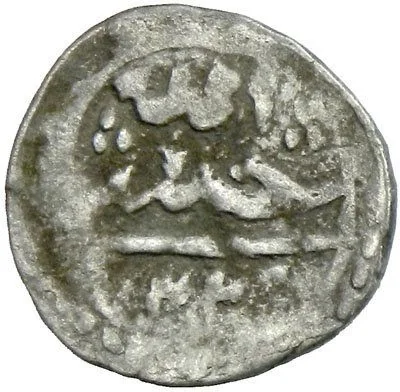
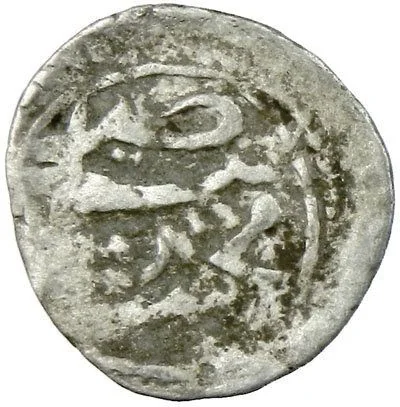
Mintings
| Year | Mint Mark | Mintage | Quality | Collection |
|---|---|---|---|---|
| — | — | — |
Historical background
In 1802, the coastal city-state of Mukhtara was navigating a complex and unstable monetary landscape, a direct legacy of its recent political upheaval. The overthrow of the aristocratic Council of Peers in 1799 had not only shifted power to a mercantile-led Directorate but had also shattered confidence in the old monetary system. The once-trusted "Peer's Crown," a silver coin bearing the insignia of the deposed nobility, was still in wide circulation but its value had become highly volatile, subject to the whims of sentiment and black-market trading. This created a fundamental rift in the economy, with traditionalists and rural areas clinging to the physical silver of the Crowns while the new merchant class sought a more stable medium for trade.
The ruling Directorate, desperate to assert its authority and stabilize commerce, introduced a new currency in early 1802: the paper "Mukhtaran Dirham." This was a fiat currency, backed not by specie but by a decree of the state and its promised future tax revenues. However, public trust was perilously low. The Dirham was plagued by rampant counterfeiting and suffered from severe inflation within months, as the government, facing debts from its revolution and ongoing military expenses, resorted to excessive printing. Consequently, a tri-currency system emerged de facto: the depreciating paper Dirham for official business and taxes, the fluctuating old silver Crowns for daily market haggling, and—most importantly for large-scale and international trade—foreign silver, particularly Spanish dollars and Maria Theresa thalers, which became the preferred store of value.
Thus, the currency situation of 1802 was one of chaotic transition and competing systems. The state's attempt to impose a modern, paper-based currency was failing due to a lack of credibility and fiscal discipline. Meanwhile, the populace relied on a patchwork of tangible and foreign coins, leading to inefficient trade, widespread price confusion, and social tension. This monetary disarray became a critical test for the fledgling Directorate, symbolizing its struggle to establish legitimate governance and threatening to strangle the very mercantile prosperity that had brought it to power.
The ruling Directorate, desperate to assert its authority and stabilize commerce, introduced a new currency in early 1802: the paper "Mukhtaran Dirham." This was a fiat currency, backed not by specie but by a decree of the state and its promised future tax revenues. However, public trust was perilously low. The Dirham was plagued by rampant counterfeiting and suffered from severe inflation within months, as the government, facing debts from its revolution and ongoing military expenses, resorted to excessive printing. Consequently, a tri-currency system emerged de facto: the depreciating paper Dirham for official business and taxes, the fluctuating old silver Crowns for daily market haggling, and—most importantly for large-scale and international trade—foreign silver, particularly Spanish dollars and Maria Theresa thalers, which became the preferred store of value.
Thus, the currency situation of 1802 was one of chaotic transition and competing systems. The state's attempt to impose a modern, paper-based currency was failing due to a lack of credibility and fiscal discipline. Meanwhile, the populace relied on a patchwork of tangible and foreign coins, leading to inefficient trade, widespread price confusion, and social tension. This monetary disarray became a critical test for the fledgling Directorate, symbolizing its struggle to establish legitimate governance and threatening to strangle the very mercantile prosperity that had brought it to power.
✨ Legendary