

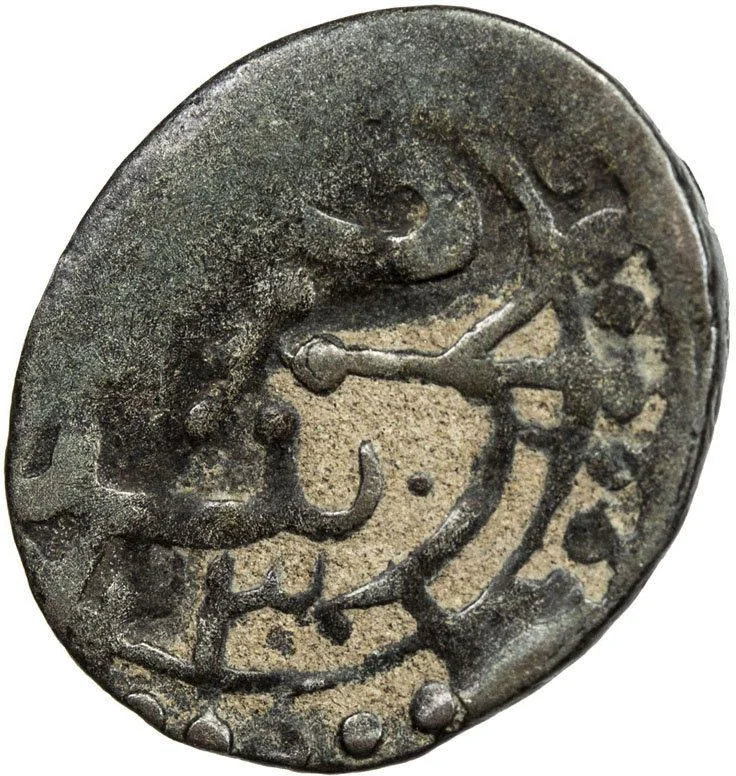
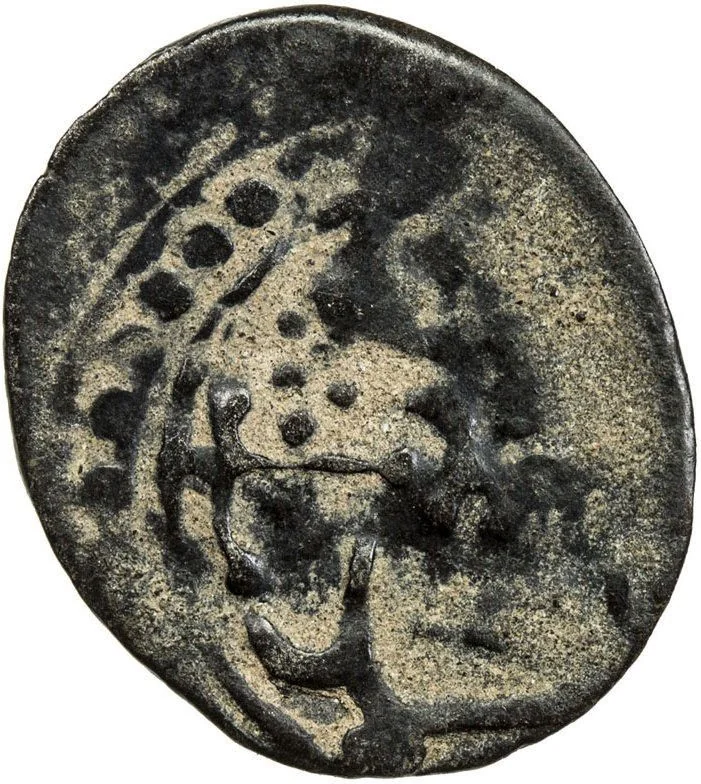
1 Buqsha – Zabid
Yemen
Context
Year: 1808
Islamic (Hijri) Year: 1223
Country: Yemen 
Issuer: Zabid
Currency:
(1802—1818)
Demonetized: Yes
Material
References
KM: #Click to copy to clipboard304
Numista: #195813
Mints
| Name | Mark |
|---|---|
| Zebid | — |
Mintings
| Year | Mint Mark | Mintage | Quality | Collection |
|---|---|---|---|---|
| 1808 | — | — |
Historical background
In 1808, the port city of Zabid, nominally under the suzerainty of the Ottoman Empire but effectively controlled by local Zaidi imams and tribal confederations, operated within a complex and fragmented monetary landscape. The city’s historic role in the Red Sea trade meant its economy was exposed to a wide variety of currencies. The most important of these was the Spanish silver dollar (piece of eight), a global trade coin that circulated widely alongside Austrian thalers and older Ottoman kurush coins. These foreign silver coins were essential for larger transactions and external commerce, their value determined by weight and purity rather than any central authority in Zabid.
Internally, this foreign silver coexisted with a debased and chaotic system of smaller denomination coins. The Ottoman Empire, facing financial strain, had significantly reduced the silver content of its minted kurush, and these weakened coins filtered into Yemen. Furthermore, a proliferation of locally struck copper fulus and counterfeit coins created a confusing multi-tiered system. Daily transactions for common goods were conducted with these often unreliable coins, leading to frequent disputes and a constant struggle for merchants and consumers to ascertain real value.
This monetary disarray reflected and exacerbated Zabid’s political instability. With no central power strong enough to mint and enforce a trusted currency, the market relied on the reputation of individual money changers (sarrafs) who assayed coins and set exchange rates. The result was an economy vulnerable to sudden shortages of acceptable silver, inflationary pressures from the poor copper coins, and the economic manipulation of powerful local factions. The currency situation in 1808 was, therefore, a direct manifestation of Zabid’s contested sovereignty and its precarious position in a shifting regional order.
Internally, this foreign silver coexisted with a debased and chaotic system of smaller denomination coins. The Ottoman Empire, facing financial strain, had significantly reduced the silver content of its minted kurush, and these weakened coins filtered into Yemen. Furthermore, a proliferation of locally struck copper fulus and counterfeit coins created a confusing multi-tiered system. Daily transactions for common goods were conducted with these often unreliable coins, leading to frequent disputes and a constant struggle for merchants and consumers to ascertain real value.
This monetary disarray reflected and exacerbated Zabid’s political instability. With no central power strong enough to mint and enforce a trusted currency, the market relied on the reputation of individual money changers (sarrafs) who assayed coins and set exchange rates. The result was an economy vulnerable to sudden shortages of acceptable silver, inflationary pressures from the poor copper coins, and the economic manipulation of powerful local factions. The currency situation in 1808 was, therefore, a direct manifestation of Zabid’s contested sovereignty and its precarious position in a shifting regional order.
✨ Legendary