

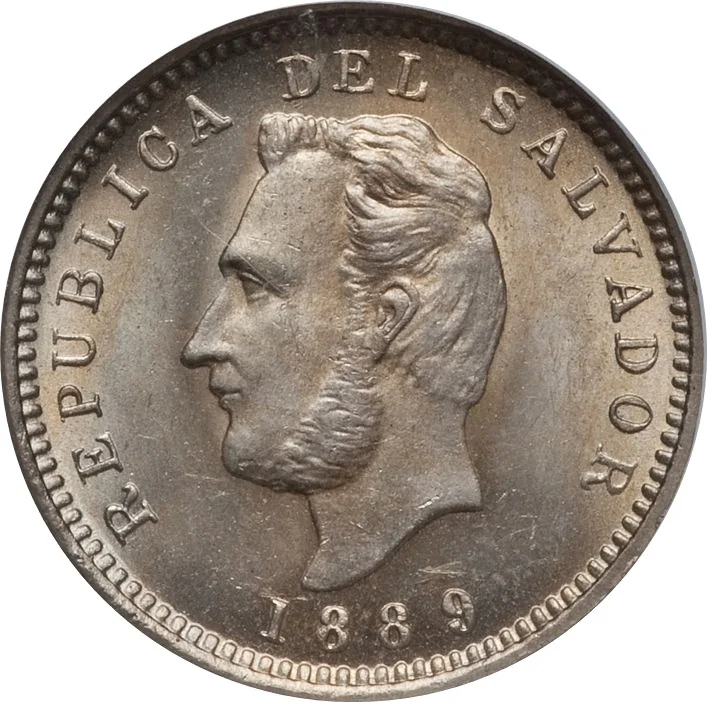
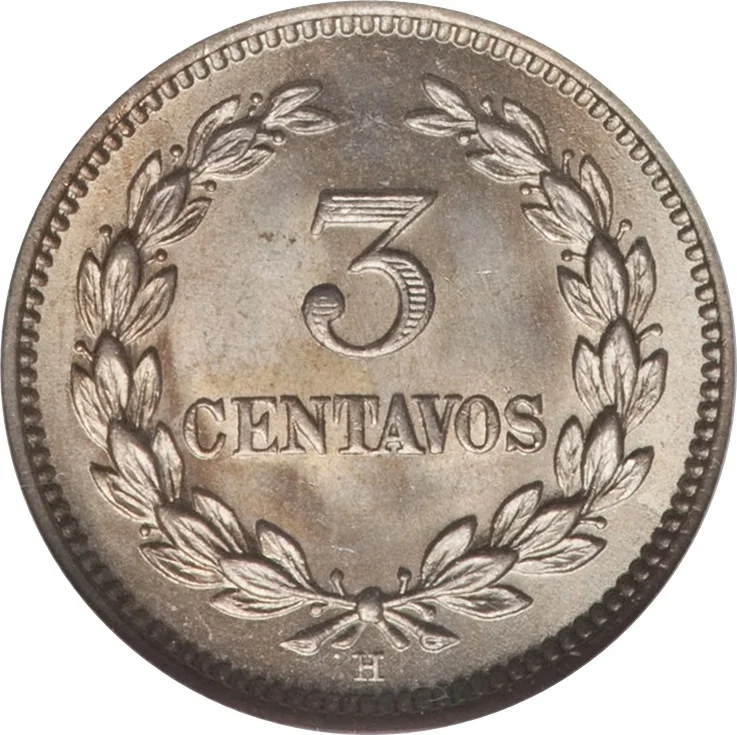
3 Centavos – El Salvador
El Salvador
Context
Years: 1889–1913
Issuer: El Salvador 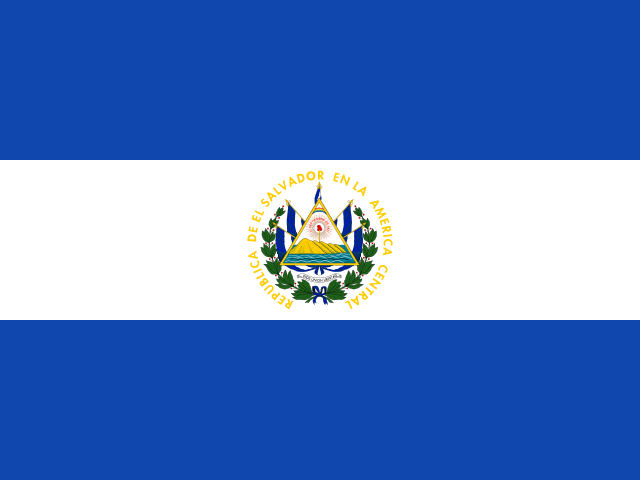
Period:
(since 1841)
Currency:
(1861—1919)
Demonetization: 1 January 2001
Total mintage: 1,333,333
Material
References
KM: #Click to copy to clipboard107
Numista: #18461
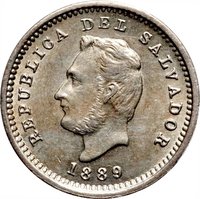
Obverse
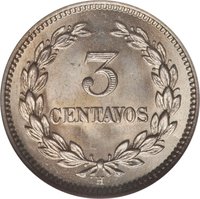
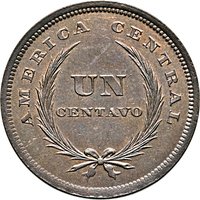
Reverse
Edge
Categories
| Person> Politician |
| Symbol> Wreath |
Mints
| Name | Mark |
|---|---|
| Heaton and Sons / The Mint Birmingham | H |
Historical background
In 1889, El Salvador's currency situation was characterized by a complex and unstable bimetallic system, heavily influenced by international economic pressures. The nation officially operated on a silver standard, with the Salvadoran peso as the unit of account. However, the global depreciation of silver throughout the 1880s, driven by increased production and the adoption of the gold standard by major trading partners like the United States and the United Kingdom, caused significant problems. This devaluation made it increasingly expensive for El Salvador to service its foreign debt, which was often denominated in gold-backed currencies, and created volatile exchange rates that hampered international trade.
Domestically, this instability was compounded by a chaotic circulation of both domestic and foreign coinage. Alongside Salvadoran silver pesos, gold coins from other nations, Peruvian and Bolivian silver, and even privately issued tokens circulated freely. This monetary fragmentation created confusion in commerce and hindered economic planning. The government's attempts to manage the system, including a law in 1883 that attempted to fix the exchange rate between silver and gold, proved ineffective against overwhelming market forces and the global trend toward gold.
Consequently, by 1889, there was a growing consensus among the country's economic and political elite that monetary reform was urgently needed. The persistent fiscal strain and commercial inconvenience paved the way for the major transition that would follow in the 1890s: the official adoption of the gold standard. This shift, which began with legislative proposals and would culminate in the Currency Law of 1892, aimed to stabilize the economy, attract foreign investment, and better integrate El Salvador into the global financial system by pegging the Salvadoran peso directly to the British pound sterling.
Domestically, this instability was compounded by a chaotic circulation of both domestic and foreign coinage. Alongside Salvadoran silver pesos, gold coins from other nations, Peruvian and Bolivian silver, and even privately issued tokens circulated freely. This monetary fragmentation created confusion in commerce and hindered economic planning. The government's attempts to manage the system, including a law in 1883 that attempted to fix the exchange rate between silver and gold, proved ineffective against overwhelming market forces and the global trend toward gold.
Consequently, by 1889, there was a growing consensus among the country's economic and political elite that monetary reform was urgently needed. The persistent fiscal strain and commercial inconvenience paved the way for the major transition that would follow in the 1890s: the official adoption of the gold standard. This shift, which began with legislative proposals and would culminate in the Currency Law of 1892, aimed to stabilize the economy, attract foreign investment, and better integrate El Salvador into the global financial system by pegging the Salvadoran peso directly to the British pound sterling.
⭐ Somewhat Rare