

50 Su – South Vietnam
Vietnam
Context
Year: 1960
Country: Vietnam 
Issuer: South Vietnam
Ruler: Ngô Đình Diệm
Currency:
(1953—1975)
Demonetized: Yes
Total mintage: 10,000,000
Material
References
KM: #Click to copy to clipboard4
Numista: #10053
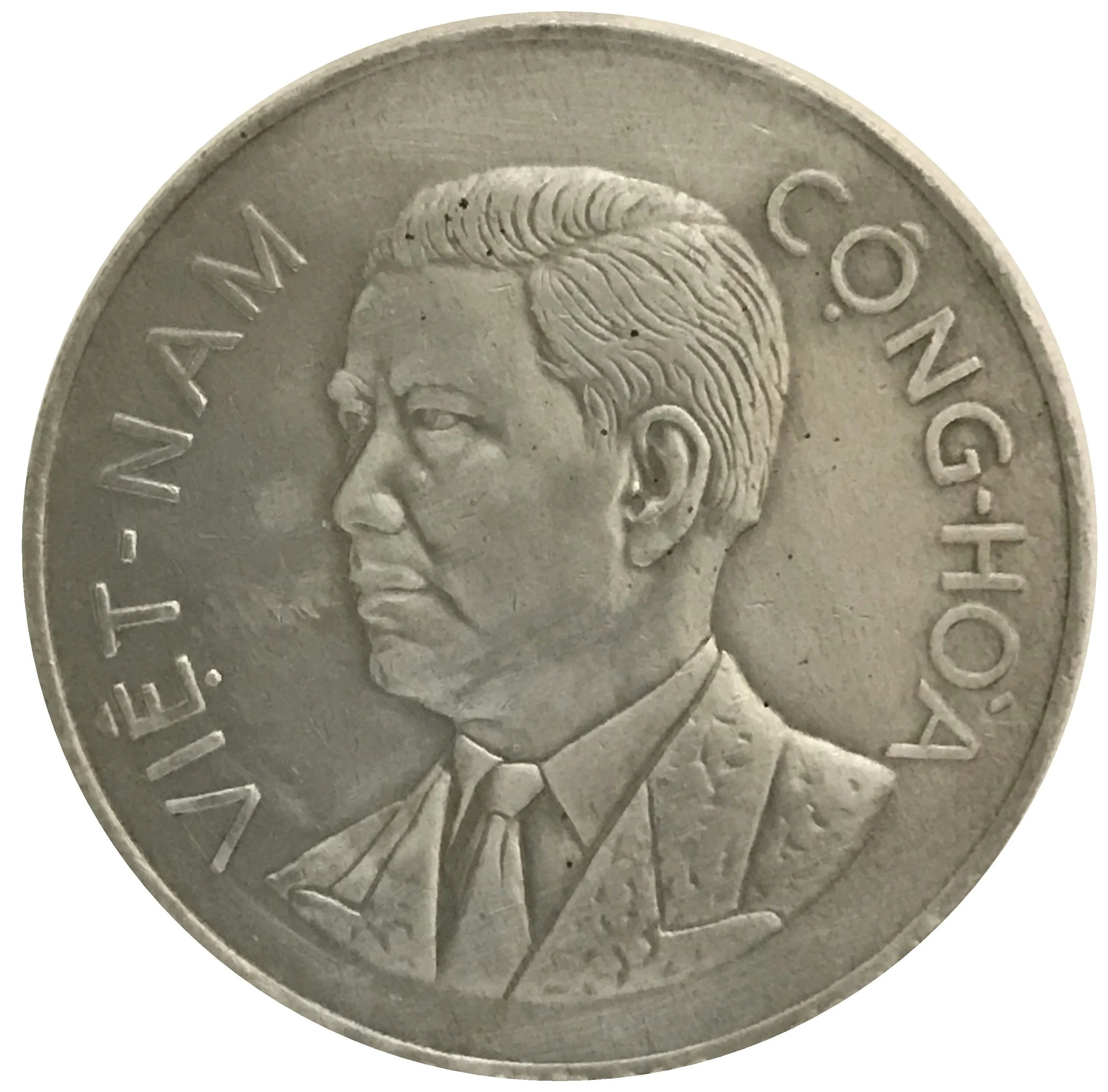
Obverse
Description:
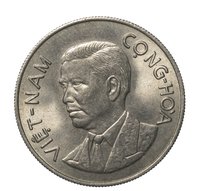
Bust of Ngo Dinh Diem facing left, encircled by legend.
Inscription:
VIỆT-NAM CỘNG-HÒA
Translation:
SOCIALIST REPUBLIC OF VIETNAM
Script: Latin
Language: Vietnamese
Engraver: Norman Sillman
Reverse
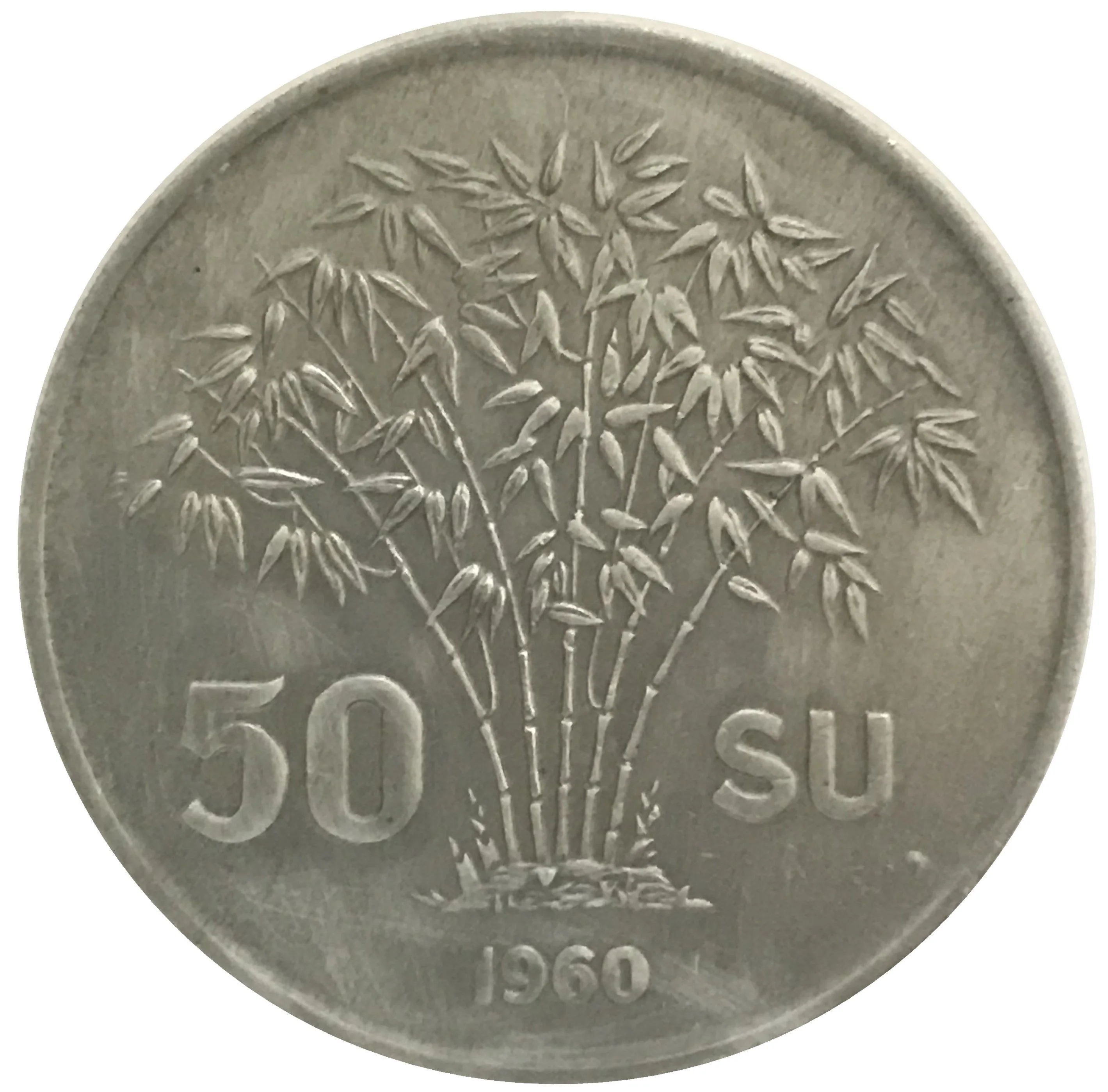
Description:
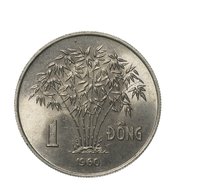
Bamboo dividing the coin's value.
Inscription:
50 SU
1960
1960
Script: Latin
Engraver: Norman Sillman
Edge
Reeded
Categories
| Person> Politician |
Mints
| Name | Mark |
|---|---|
| Royal Mint (Tower Hill) | — |
Mintings
| Year | Mint Mark | Mintage | Quality | Collection |
|---|---|---|---|---|
| 1960 | — | 10,000,000 |
Historical background
In 1960, South Vietnam's currency, the đồng (VND), was a relatively new instrument of sovereignty, having been introduced just five years earlier in 1955 to replace the French Indochinese piastre. Issued by the National Bank of Vietnam under President Ngô Đình Diệm's government, its establishment was a key part of nation-building efforts, symbolizing a break from the colonial past. However, the currency operated within a fragile and dualistic economy, split between a nascent urban commercial sector and a vast, often insecure, rural subsistence sector. Its stability was artificially propped up by substantial American economic aid, which financed a large trade deficit and helped maintain foreign exchange reserves.
The currency's fundamental weakness stemmed from the South Vietnamese government's chronic budget deficits, driven primarily by high military and security expenditures in the escalating conflict with the communist insurgency (the Viet Cong). With a narrow domestic tax base, the government resorted to deficit financing—effectively printing money—which generated persistent inflationary pressures. While inflation in 1960 was moderate compared to the hyperinflation that would cripple the economy later in the war, it was a growing concern, eroding public confidence and purchasing power. The economy remained heavily dependent on imports, and the đồng's fixed exchange rate was maintained through controls and U.S. dollar injections rather than robust export earnings.
Furthermore, the currency situation was complicated by the realities of a country at war. In rural areas contested by the Viet Cong, the authority of the South Vietnamese state and its currency was often weak. The insurgents levied their own taxes and sometimes issued scrip or used barter, creating zones of parallel economic activity. Thus, in 1960, the South Vietnamese đồng was less a symbol of unified economic strength and more a benchmark of the state's administrative reach and its dependence on American financial support to maintain a facade of stability amidst deepening political and military turmoil.
The currency's fundamental weakness stemmed from the South Vietnamese government's chronic budget deficits, driven primarily by high military and security expenditures in the escalating conflict with the communist insurgency (the Viet Cong). With a narrow domestic tax base, the government resorted to deficit financing—effectively printing money—which generated persistent inflationary pressures. While inflation in 1960 was moderate compared to the hyperinflation that would cripple the economy later in the war, it was a growing concern, eroding public confidence and purchasing power. The economy remained heavily dependent on imports, and the đồng's fixed exchange rate was maintained through controls and U.S. dollar injections rather than robust export earnings.
Furthermore, the currency situation was complicated by the realities of a country at war. In rural areas contested by the Viet Cong, the authority of the South Vietnamese state and its currency was often weak. The insurgents levied their own taxes and sometimes issued scrip or used barter, creating zones of parallel economic activity. Thus, in 1960, the South Vietnamese đồng was less a symbol of unified economic strength and more a benchmark of the state's administrative reach and its dependence on American financial support to maintain a facade of stability amidst deepening political and military turmoil.
🌱 Common