

Obverse
Description:
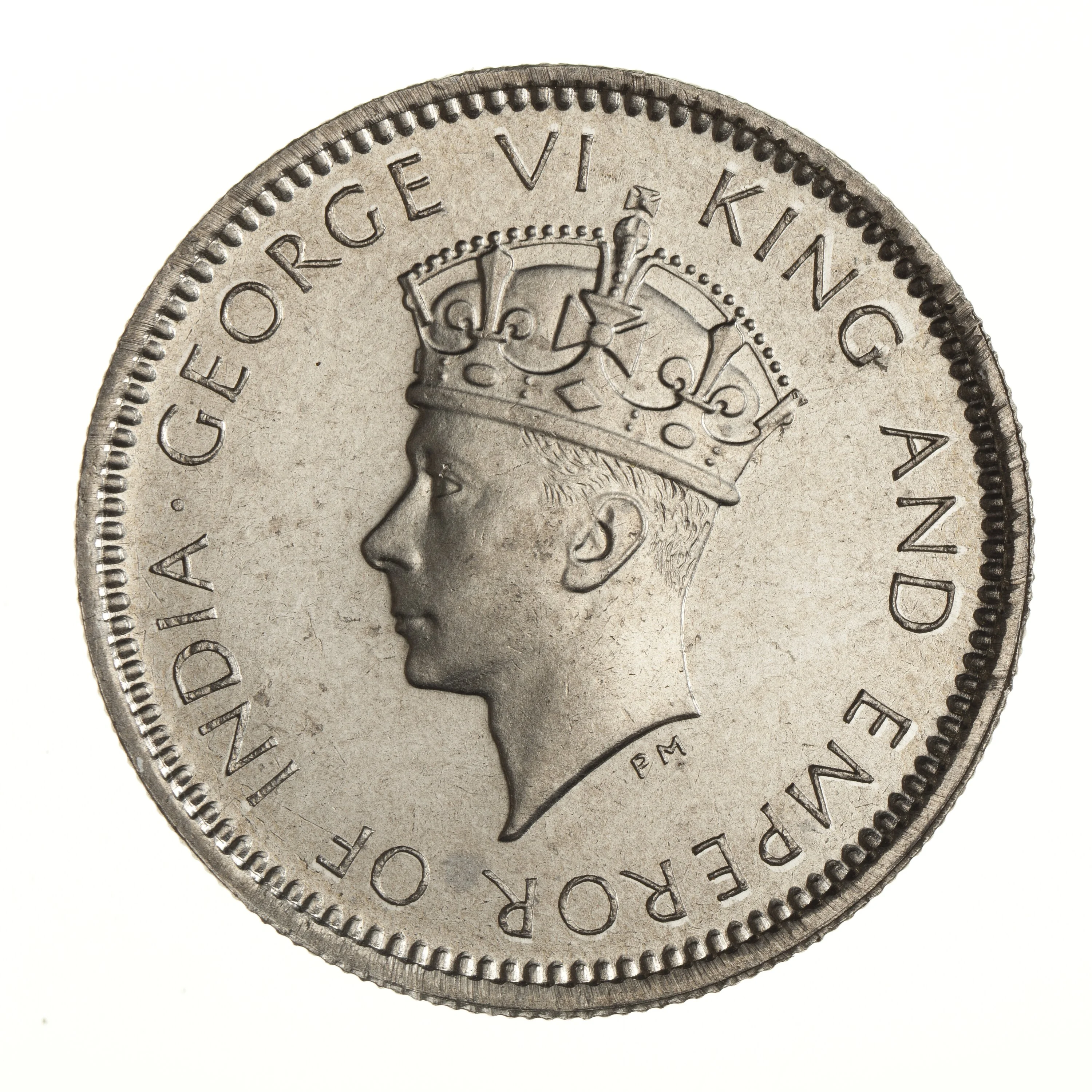
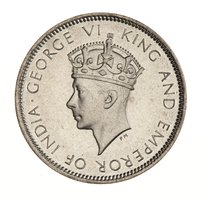
Crowned left-facing bust.
Inscription:
·GEORGE VI KING AND EMPEROR OF INDIA
Translation:
GEORGE VI KING AND EMPEROR OF INDIA
Script: Latin
Language: English
Engraver: Percy Metcalfe
Reverse
Edge
Security edge
Mints
| Name | Mark |
|---|---|
| Royal Mint (Tower Hill) | — |
Mintings
| Year | Mint Mark | Mintage | Quality | Collection |
|---|---|---|---|---|
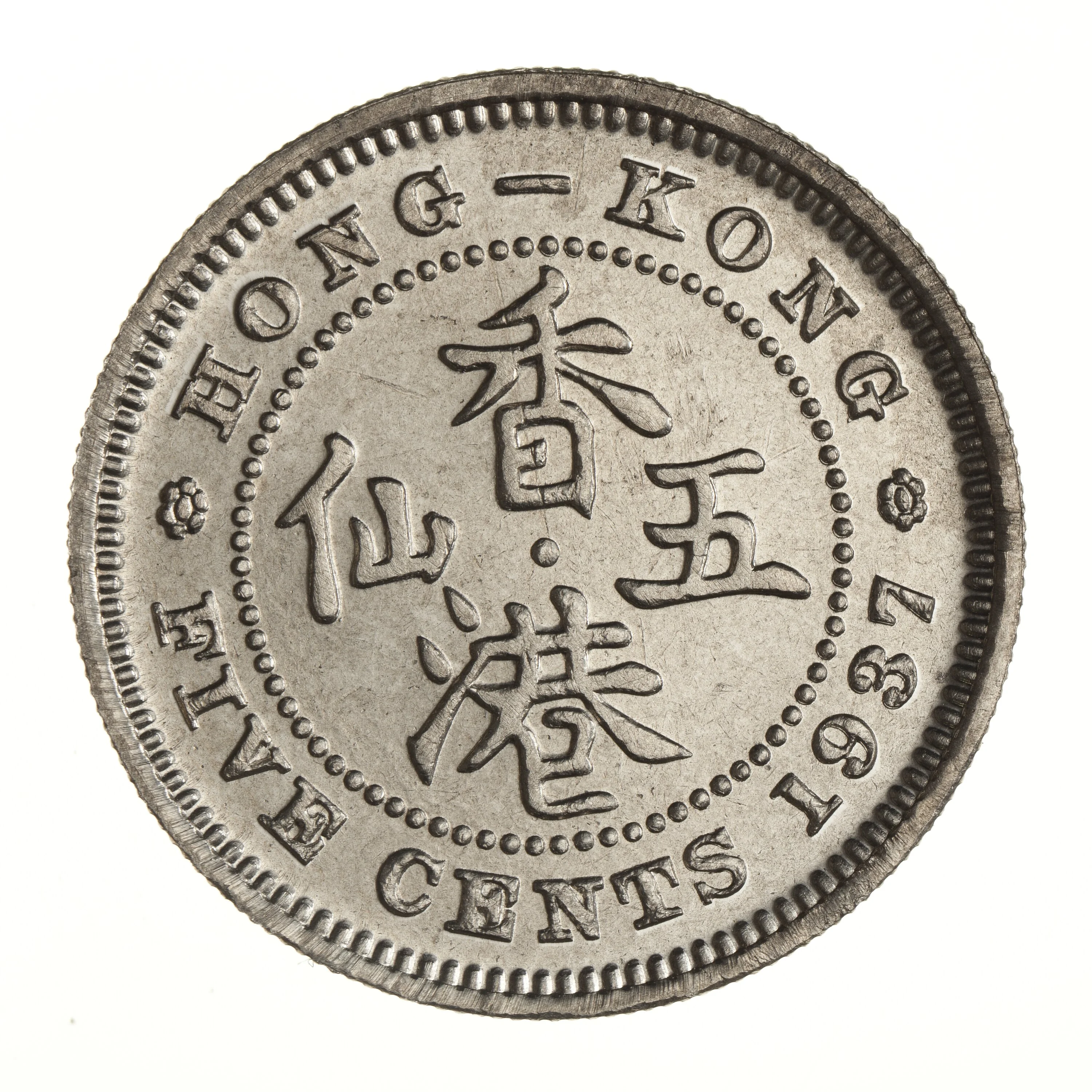
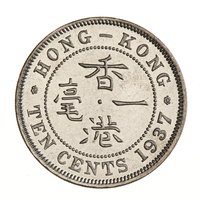
| 1937 | — | 3,000,000 | ||
| 1937 | — | — | Proof |
Historical background
In 1937, Hong Kong's currency situation was defined by its status as a British colony and a major financial hub in East Asia. The sole legal tender was the Hong Kong dollar (HKD), issued by three authorized commercial banks—The Hongkong and Shanghai Banking Corporation (HSBC), the Chartered Bank of India, Australia and China, and the Mercantile Bank of China. This currency was firmly pegged to the British pound sterling under a sterling exchange standard, meaning its value was guaranteed by reserves held in London, ensuring stability and free convertibility. This system provided a stark contrast to the monetary turbulence on the Chinese mainland.
The outbreak of the Second Sino-Japanese War in July 1937 had an immediate and profound impact. As the Japanese military advanced, there was a massive influx of refugees and capital into the perceived safety of the British colony. This flight of capital, primarily from Shanghai and other coastal cities, led to a significant increase in bank deposits and foreign exchange reserves in Hong Kong. While this bolstered the colony's financial liquidity, it also created inflationary pressures and heightened demand for the stable Hong Kong dollar, further entrenching its role as a regional safe-haven currency.
Consequently, Hong Kong's currency remained robust and stable throughout 1937, insulated by its colonial link to sterling. However, the war sowed the seeds for future instability. The influx of people and capital strained local resources, and the economic disruption in mainland China began to affect Hong Kong's trade-dependent economy. Furthermore, the Japanese military expansion raised long-term strategic threats, foreshadowing the severe monetary chaos that would eventually follow the Japanese occupation of the colony in December 1941, when the Hong Kong dollar was forcibly replaced by Japanese military yen.
The outbreak of the Second Sino-Japanese War in July 1937 had an immediate and profound impact. As the Japanese military advanced, there was a massive influx of refugees and capital into the perceived safety of the British colony. This flight of capital, primarily from Shanghai and other coastal cities, led to a significant increase in bank deposits and foreign exchange reserves in Hong Kong. While this bolstered the colony's financial liquidity, it also created inflationary pressures and heightened demand for the stable Hong Kong dollar, further entrenching its role as a regional safe-haven currency.
Consequently, Hong Kong's currency remained robust and stable throughout 1937, insulated by its colonial link to sterling. However, the war sowed the seeds for future instability. The influx of people and capital strained local resources, and the economic disruption in mainland China began to affect Hong Kong's trade-dependent economy. Furthermore, the Japanese military expansion raised long-term strategic threats, foreshadowing the severe monetary chaos that would eventually follow the Japanese occupation of the colony in December 1941, when the Hong Kong dollar was forcibly replaced by Japanese military yen.
🌱 Fairly Common