

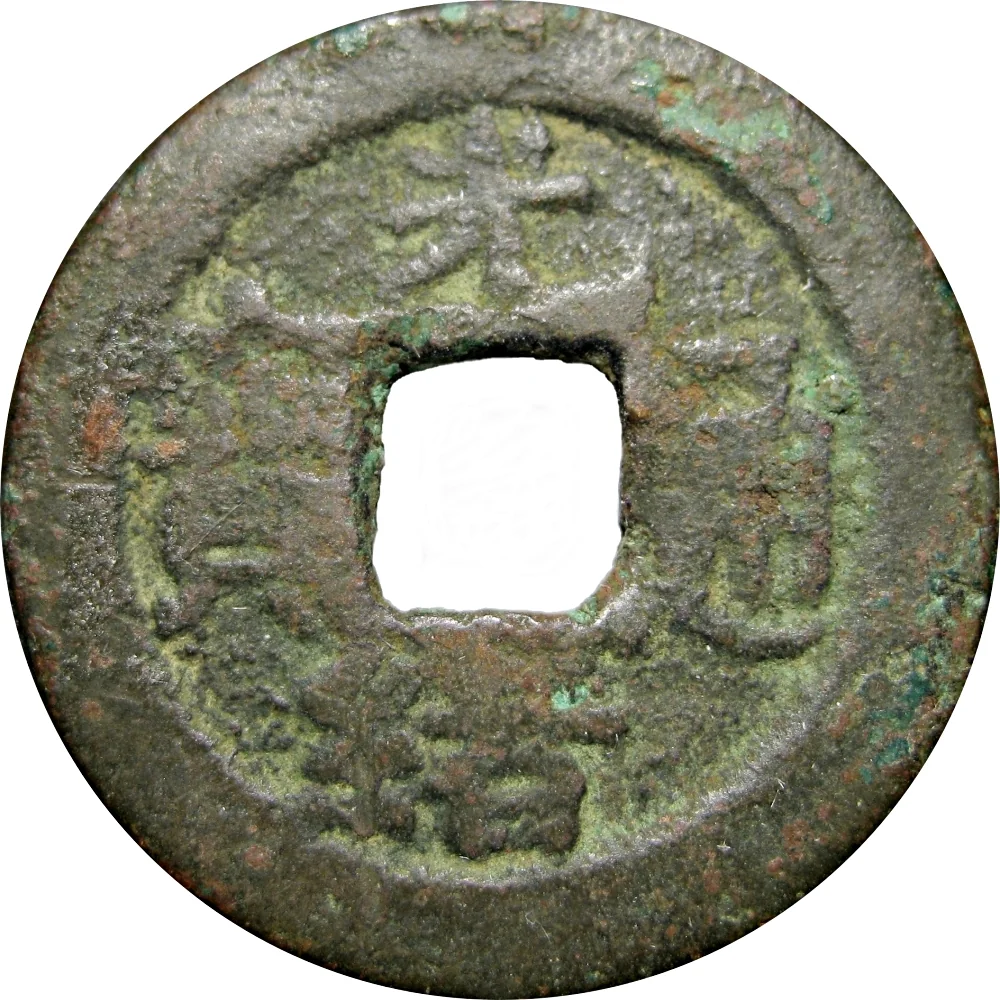
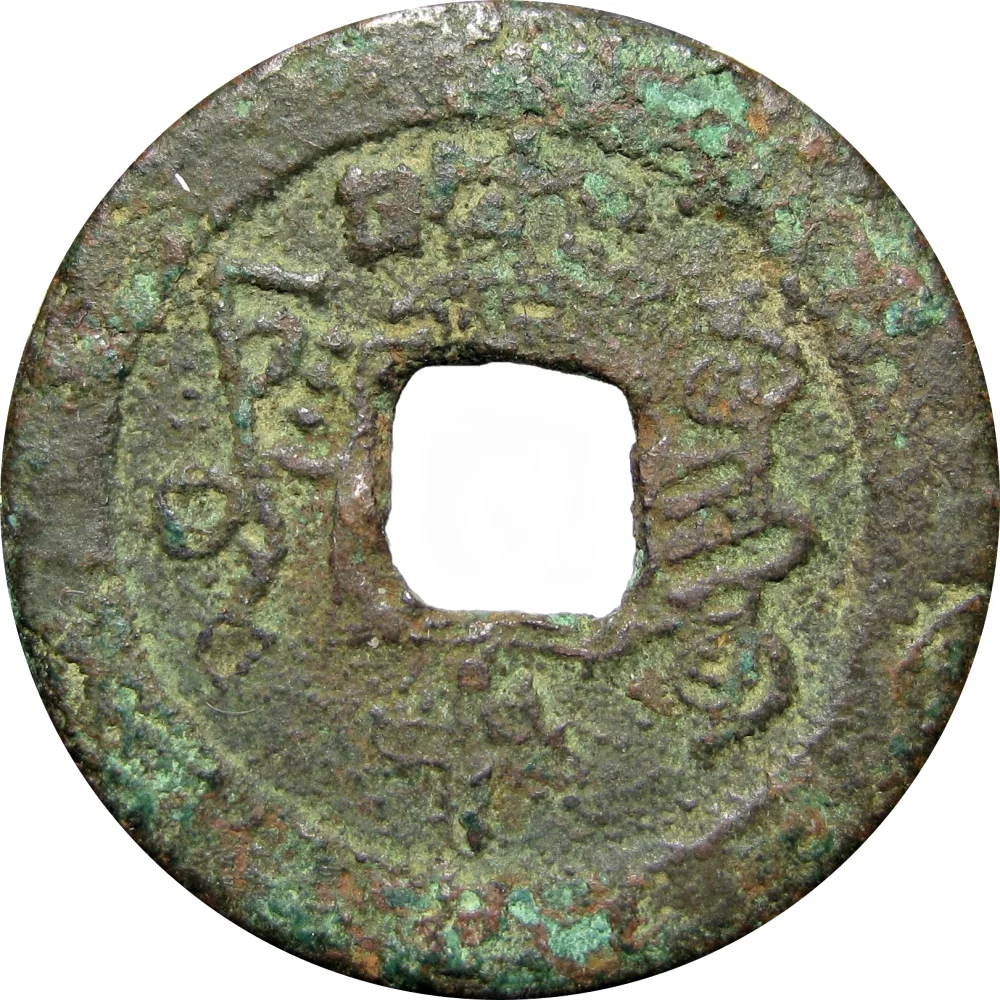
10 cash – South Xinjiang
Add to wishlist
China
Context
Years: 1882–1892
Country: China
Issuer: South Xinjiang
Ruler: Guangxu
Currency:
(1759—1909)
Demonetized: Yes
Material
Diameter: 25 mm
Weight: 4.32 g
Thickness: 1.4 mm
Shape: Round with a square hole
Composition: Copper
Magnetic: No
Technique: Cast
Alignment: Medal alignment
flip
References
Numista: #178501
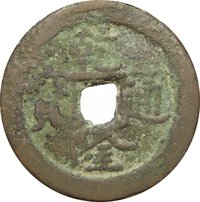
Obverse
Description:
Four Chinese characters read vertically, right to left.
Inscription:
光
寶 通
緒
寶 通
緒
Translation:
Guangxu
Tong Bao
Tong Bao
Scripts: Chinese (traditional, regular script)
Language: Chinese
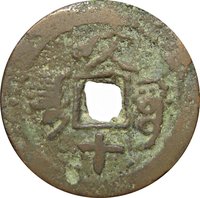
Reverse
Description:
One Chinese ideogram above and below, one Manchu word to the right, and one Uyghur word to the left.
Inscription:
喀
كاشغر ᡴᠠᠰᡥᡤᠠᡵ
十
كاشغر ᡴᠠᠰᡥᡤᠠᡵ
十
Translation:
Kashgar
Ten
Ten
Edge
Plain
Mints
| Name | Mark |
|---|---|
| Kashgar Mint | — |
Mintings
| Year | Mint Mark | Mintage | Quality | Collection |
|---|---|---|---|---|
| — | — | — |
Historical background
In 1882, the currency situation in South Xinjiang (the Tarim Basin region) was characterized by profound instability and complexity, a direct legacy of the recent reconquest of the area by the Qing Dynasty. Following the defeat of the Yakub Beg-led Kashgaria Khanate (1865-1877), the Qing reasserted control in the late 1870s, but the monetary system remained in disarray. The region was flooded with multiple, competing currencies: remnants of Kashgaria's pul and tanga coins, older Qing cash coins from pre-rebellion times, and a significant influx of Russian Tsarist rubles and kopecks, which flowed in via trade routes and political influence from Russian Turkestan. This created a chaotic marketplace where exchange rates fluctuated wildly and trust in any single medium was low.
The Qing authorities, under the new provincial administration of Xinjiang established in 1884, recognized this monetary chaos as a threat to economic recovery and political integration. In the immediate years around 1882, efforts were underway to standardize the currency and reimpose imperial sovereignty through minting. The Qing began to produce and circulate its own cash coins with both Chinese and Manchu inscriptions at local mints, such as in Aksu, and introduced a new silver-based unit, the tael-denominated sycee, in an attempt to anchor the system. However, the production was initially insufficient, and the deeply entrenched Russian silver rubles, valued for their consistent silver content, continued to dominate larger transactions, especially among merchants.
Thus, the currency landscape of South Xinjiang in 1882 was one of transition and contestation. It represented a microcosm of the broader struggle to integrate a strategically vital frontier region into the Qing imperial economy after a prolonged rebellion. The simultaneous circulation of old rebel coinage, new imperial issues, and powerful foreign currency reflected the competing political and economic forces at play, making monetary stability a key challenge for Qing consolidation in the years immediately following the reconquest.
The Qing authorities, under the new provincial administration of Xinjiang established in 1884, recognized this monetary chaos as a threat to economic recovery and political integration. In the immediate years around 1882, efforts were underway to standardize the currency and reimpose imperial sovereignty through minting. The Qing began to produce and circulate its own cash coins with both Chinese and Manchu inscriptions at local mints, such as in Aksu, and introduced a new silver-based unit, the tael-denominated sycee, in an attempt to anchor the system. However, the production was initially insufficient, and the deeply entrenched Russian silver rubles, valued for their consistent silver content, continued to dominate larger transactions, especially among merchants.
Thus, the currency landscape of South Xinjiang in 1882 was one of transition and contestation. It represented a microcosm of the broader struggle to integrate a strategically vital frontier region into the Qing imperial economy after a prolonged rebellion. The simultaneous circulation of old rebel coinage, new imperial issues, and powerful foreign currency reflected the competing political and economic forces at play, making monetary stability a key challenge for Qing consolidation in the years immediately following the reconquest.

✨ Legendary