

1 Rupee – Afghanistan
Afghanistan
Context
Material
Diameter: 19.75 mm
Weight: 11.51 g
Silver weight: 11.51 g
Shape: Irregular round
Composition: Silver
Magnetic: No
References
KM: #Click to copy to clipboard398.1
Numista: #175085
Value
Bullion value: $32.71
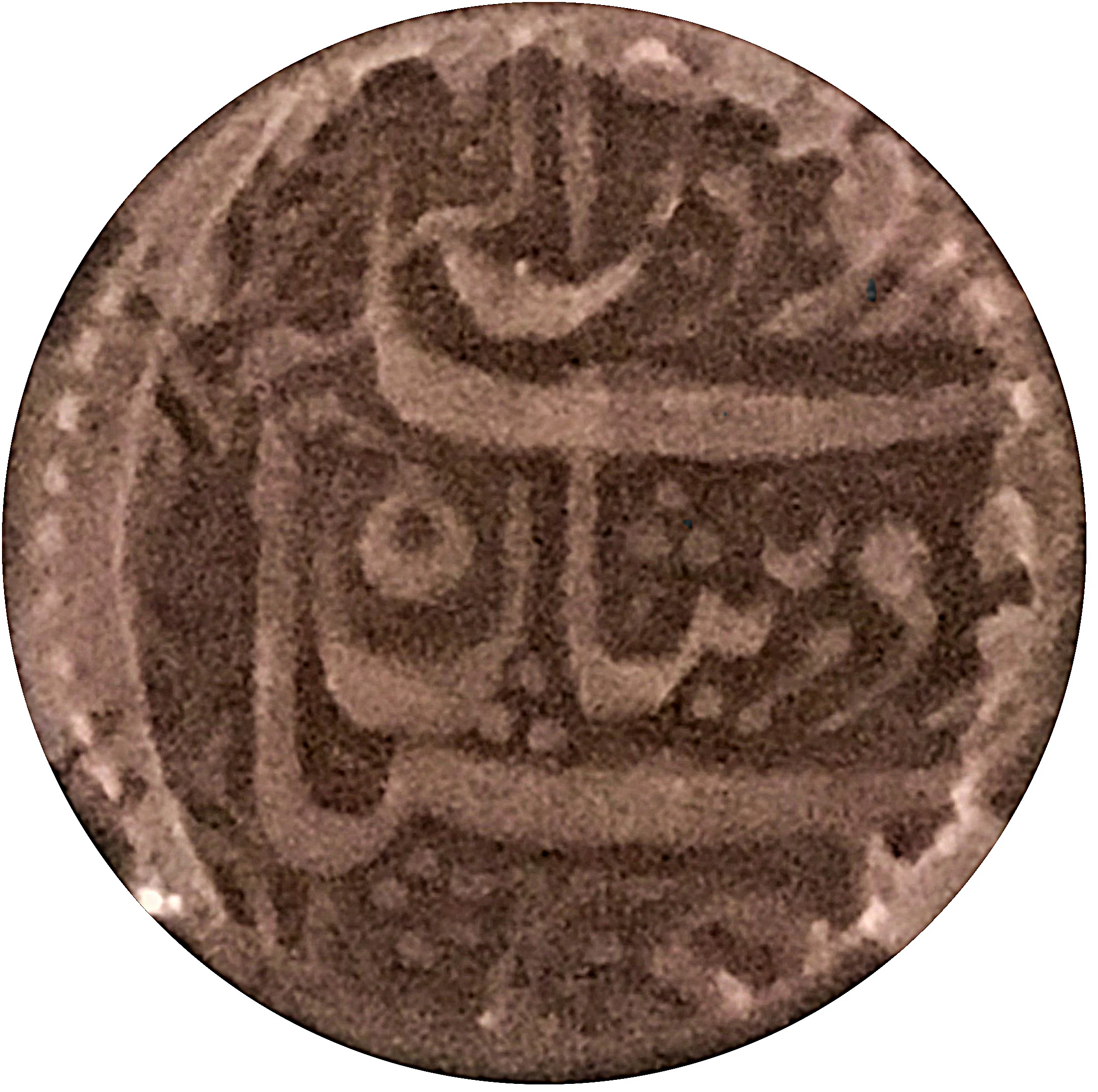
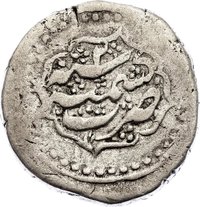
Obverse
Description:
Inscribed within border.
Script: Arabic
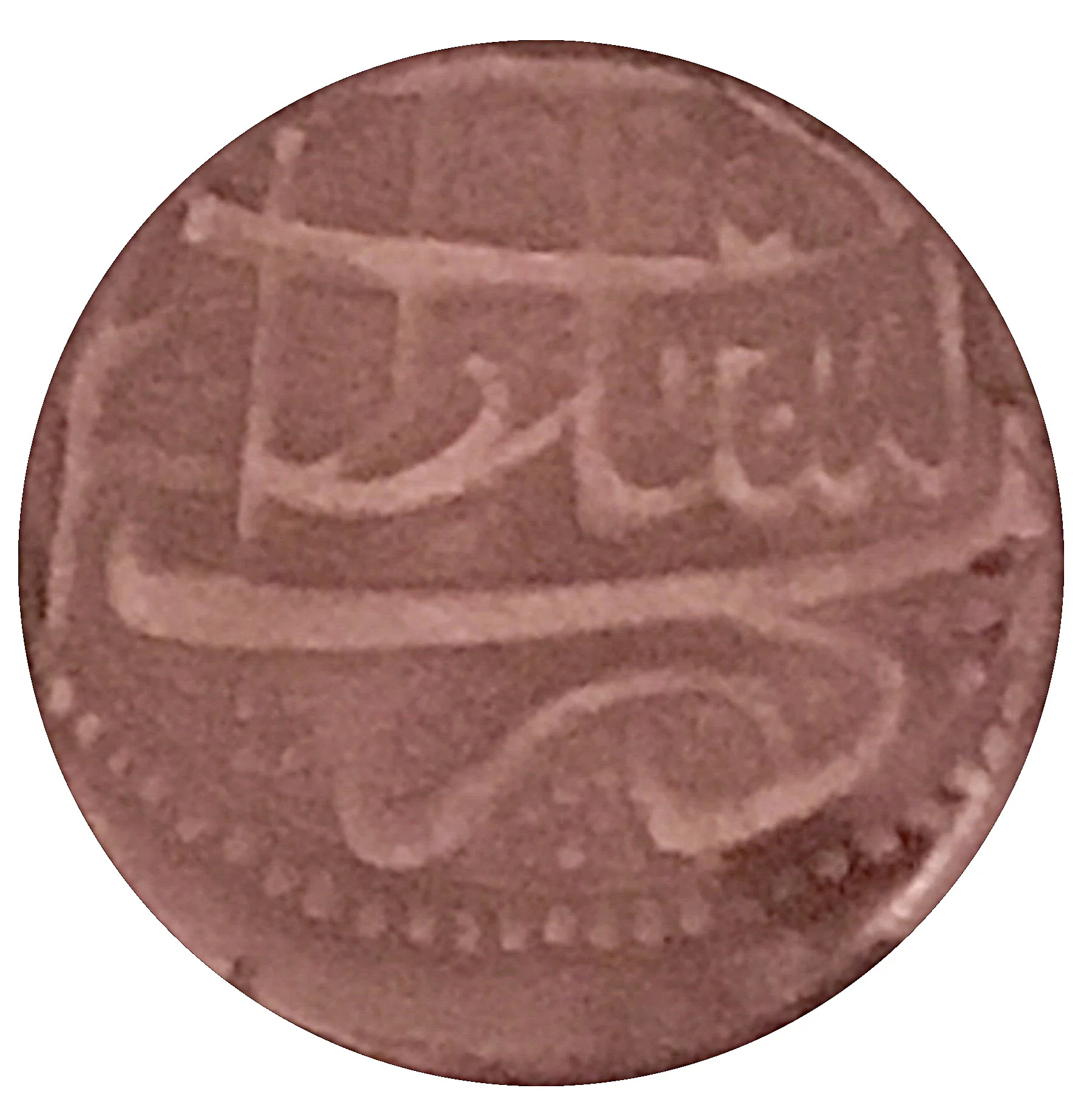
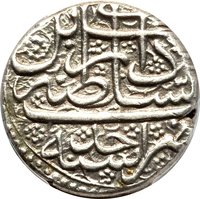
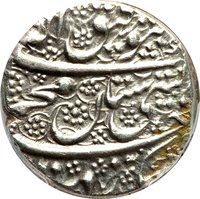
Reverse
Description:
Inscription dated 1218 AH (1803 AD) within a border.
Script: Arabic
Edge
Plain
Mints
| Name | Mark |
|---|---|
| Herat | — |
Mintings
| Year | Mint Mark | Mintage | Quality | Collection |
|---|---|---|---|---|
| 1802 | — | — | ||
| 1803 | — | — | ||
| 1804 | — | — | ||
| 1805 | — | — |
Historical background
In 1802, the currency situation in Afghanistan was fragmented and complex, reflecting the decentralized and volatile political landscape of the Durrani Empire. Following the death of its founder, Ahmad Shah Durrani, in 1772, the empire entered a period of succession crises and civil war among his descendants. By 1802, effective power was split between Shah Mahmud Durrani, who held Kabul and the nominal title, and his brother Shah Shujah, who controlled Peshawar and the empire's eastern territories. This political division meant there was no single, authoritative monetary system across the realm.
The primary circulating currency was the Durrani rupee, a silver coin originally standardized by Ahmad Shah. However, its weight, purity, and value varied significantly between regional mints in cities like Kabul, Kandahar, Peshawar, and Herat, each controlled by different factions or local khans. Alongside these, a multitude of older Mughal rupees, Persian tomans, and even Sikh nanakshahi rupees from the Punjab remained in circulation, used in trade and taxation. The value of coinage was intrinsically tied to its silver content, leading to a chaotic system where merchants and money-changers (sarrafs) played a critical role in assessing and exchanging this heterogeneous mix of coins.
This monetary instability was both a cause and a symptom of the empire's decline. The constant warfare drained treasuries, leading to debasement—reducing the silver content in coins—to fund military campaigns. This eroded public trust and further complicated trade, both domestic and along the vital caravan routes of the Silk Road. Consequently, in 1802, Afghanistan lacked a unified currency, operating instead on a precarious and localized system of bullion and coinage that mirrored the fractured sovereignty of its competing rulers.
The primary circulating currency was the Durrani rupee, a silver coin originally standardized by Ahmad Shah. However, its weight, purity, and value varied significantly between regional mints in cities like Kabul, Kandahar, Peshawar, and Herat, each controlled by different factions or local khans. Alongside these, a multitude of older Mughal rupees, Persian tomans, and even Sikh nanakshahi rupees from the Punjab remained in circulation, used in trade and taxation. The value of coinage was intrinsically tied to its silver content, leading to a chaotic system where merchants and money-changers (sarrafs) played a critical role in assessing and exchanging this heterogeneous mix of coins.
This monetary instability was both a cause and a symptom of the empire's decline. The constant warfare drained treasuries, leading to debasement—reducing the silver content in coins—to fund military campaigns. This eroded public trust and further complicated trade, both domestic and along the vital caravan routes of the Silk Road. Consequently, in 1802, Afghanistan lacked a unified currency, operating instead on a precarious and localized system of bullion and coinage that mirrored the fractured sovereignty of its competing rulers.
✨ Legendary