

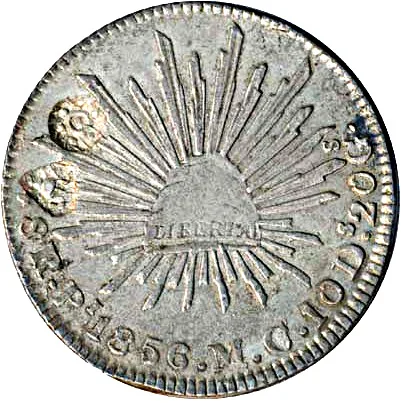
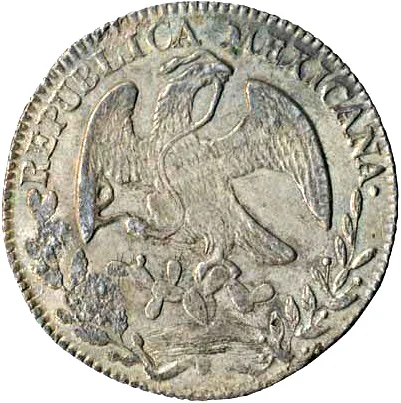
5⁄3 Bahts – Thailand
Thailand
Context

Material
Diameter: 38.9 mm
Weight: 27.07 g
Silver weight: 24.44 g
Shape: Round
Composition: 90.3% Silver
Magnetic: No
Technique: Countermarked
Alignment: Coin alignment
flip
References
Numista: #174444
Value
Bullion value: $69.15
Obverse
Reverse
Edge
Mints
| Name | Mark |
|---|---|
| Casa de Moneda de Culiacán | C |
| Casa de Moneda de Guanajuato | Go |
| Mexican Mint | Mo |
| Casa de Moneda de Zacatecas | Zs |
Mintings
Historical background
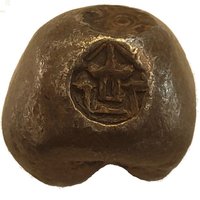
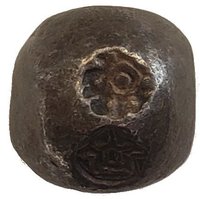
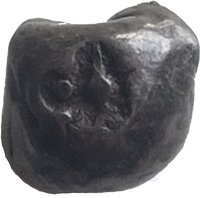
In 1831, the currency situation in the Kingdom of Siam (modern-day Thailand) was characterized by a complex, pre-modern monetary system operating under the absolute monarchy of King Rama III. The economy was not yet monetized in a uniform sense; instead, it functioned on a multi-tiered system combining barter, bulk commodity exchange, and various forms of metal currency. The primary units of account were the baht (a weight of approximately 15 grams of silver), the salung (1/4 baht), and the fuang (1/8 baht). Actual physical money consisted mainly of bullet-shaped silver coins known as pod duang, which were hand-struck and valued by their weight and purity, not by a face value stamped by a central mint.
This system created significant practical challenges. The value of pod duang could vary between different regions and money changers, leading to inefficiency in trade and taxation. Furthermore, the kingdom faced a chronic shortage of these precious metal coins, as domestic silver production was limited. Much of the silver in circulation came from foreign trade, particularly with China, where Siamese exports of rice, sugar, and forest products brought in silver bullion and Chinese copper cash coins. These holed copper coins were used for smaller, everyday transactions, adding another layer to the monetary mosaic.
The year 1831 itself did not mark a sudden reform, but it existed within a period of growing fiscal strain that would later prompt change. King Rama III's reign was marked by costly conflicts and extensive temple-building, draining royal silver reserves. The inherent limitations of the pod duang system—susceptibility to counterfeiting, clipping, and its impracticality for a growing commercial economy—were becoming increasingly apparent. These pressures set the stage for the major monetary reforms that would follow in the next reign, culminating in the introduction of flat, machine-struck coins by King Mongkut (Rama IV) in the 1850s and 1860s.
This system created significant practical challenges. The value of pod duang could vary between different regions and money changers, leading to inefficiency in trade and taxation. Furthermore, the kingdom faced a chronic shortage of these precious metal coins, as domestic silver production was limited. Much of the silver in circulation came from foreign trade, particularly with China, where Siamese exports of rice, sugar, and forest products brought in silver bullion and Chinese copper cash coins. These holed copper coins were used for smaller, everyday transactions, adding another layer to the monetary mosaic.
The year 1831 itself did not mark a sudden reform, but it existed within a period of growing fiscal strain that would later prompt change. King Rama III's reign was marked by costly conflicts and extensive temple-building, draining royal silver reserves. The inherent limitations of the pod duang system—susceptibility to counterfeiting, clipping, and its impracticality for a growing commercial economy—were becoming increasingly apparent. These pressures set the stage for the major monetary reforms that would follow in the next reign, culminating in the introduction of flat, machine-struck coins by King Mongkut (Rama IV) in the 1850s and 1860s.
✨ Legendary