

1000 dollars – Hong Kong
Add to wishlist
Non-circulating coins
Commemoration: Chinese Zodiac Series - Year of the Rabbit
China
Context
Year: 1987
Country: China
Issuer: Hong Kong
Ruler: Elizabeth II
Currency:
(since 1863)
Demonetized: Yes
Total mintage: 20,000
Material
References
KM: #
Numista: #17262
Value
Exchange value: 1000 HKD
Bullion value: $2248.26
Inflation-adjusted value: 5059.08 HKD
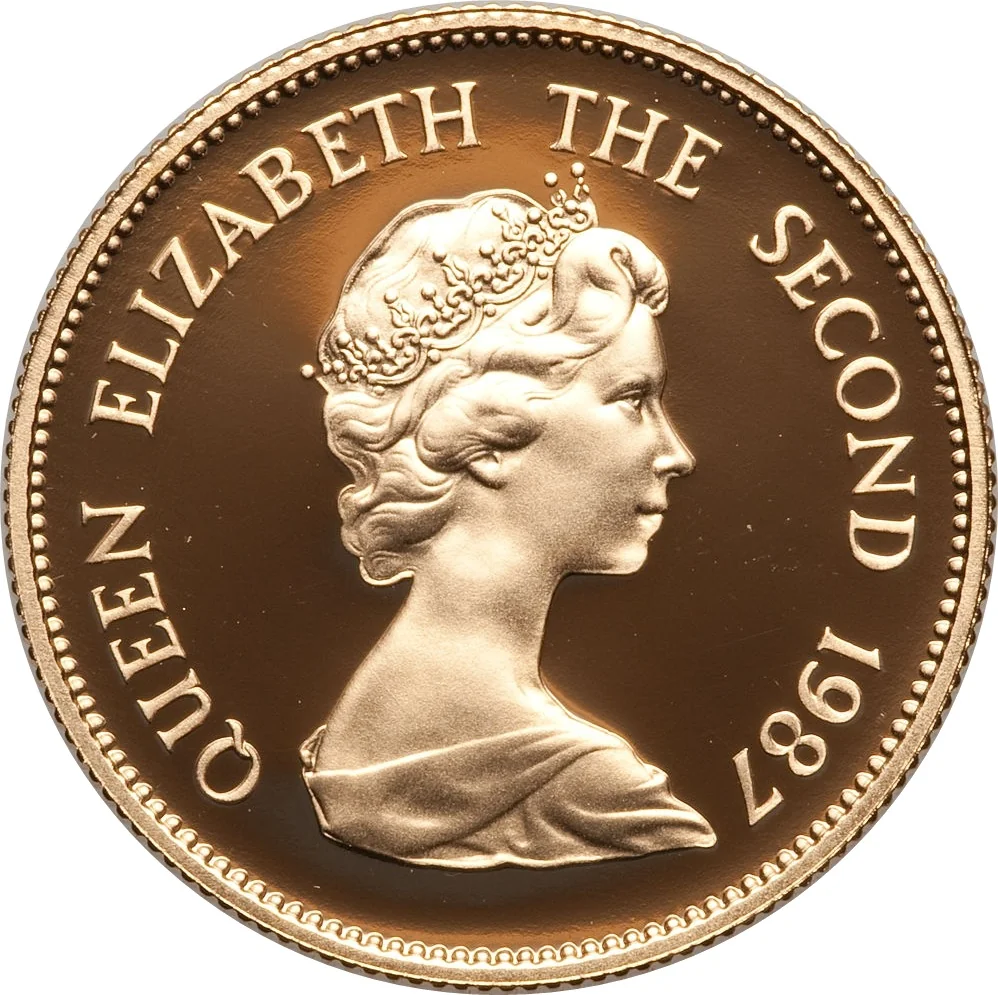
Obverse
Description:
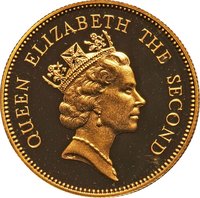
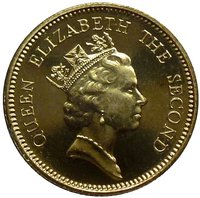
Right-facing crowned bust.
Inscription:
QUEEN ELIZABETH THE SECOND 1987
Script: Latin
Engraver: Arnold Machin
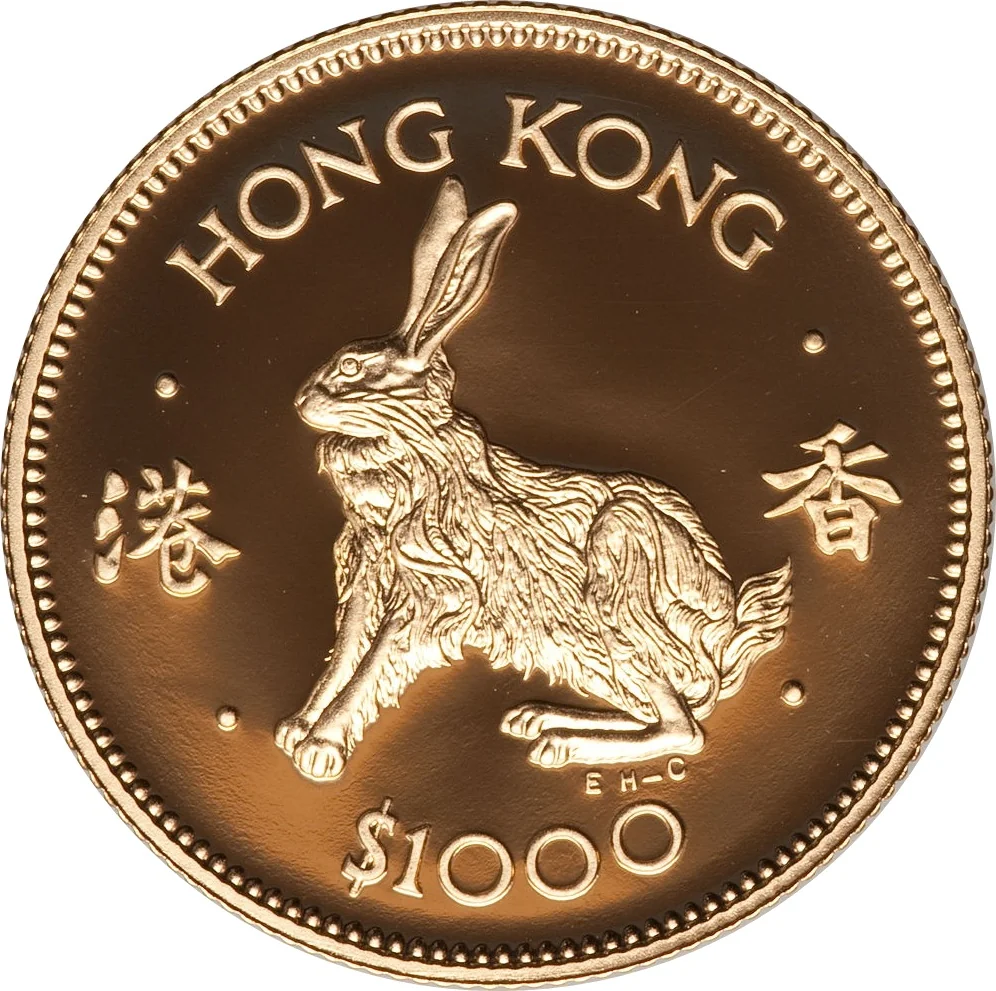
Reverse
Description:
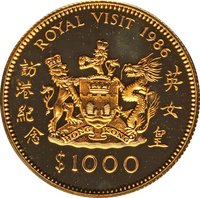
Rabbit at centre, Hong Kong above, value below.
Inscription:
HONG KONG
.港香.
.$1000.
.港香.
.$1000.
Translation:
HONG KONG
HONG KONG
$1000
HONG KONG
$1000
Engraver: Elizabeth Haddon-Cave
Edge
Reeded
Categories
| Animal> Rabbit |
| Astrology> Chinese calendar |
Mintings
| Year | Mint Mark | Mintage | Quality | Collection |
|---|---|---|---|---|
| 1987 | — | 20,000 | Proof |
Historical background
In 1987, Hong Kong's currency situation was defined by the recently established Linked Exchange Rate System (LERS), introduced in October 1983 to end a crisis of confidence. During the Sino-British negotiations over Hong Kong's future, severe volatility and depreciation had plagued the Hong Kong dollar. The LERS pegged the currency at HK$7.80 to US$1 through a strict currency board mechanism, requiring the note-issuing banks to hold US dollars as full backing for any new Hong Kong dollar banknotes issued. By 1987, this system had successfully restored monetary stability and public confidence, which was crucial for the territory's status as a leading international financial centre as it approached the 1997 handover to China.
However, the peg also created significant policy challenges. To maintain the fixed exchange rate, Hong Kong effectively imported the monetary policy of the United States Federal Reserve, surrendering its ability to set independent interest rates to manage domestic inflation or economic growth. In 1987, this meant navigating the aftermath of the global "Black Monday" stock market crash in October. The Hong Kong Monetary Authority (HKMA), which would be formally established in 1993, did not yet exist; currency stability was managed by the Office of the Exchange Fund. The system's rigidity was tested, requiring unwavering commitment to the peg even when local economic conditions might have warranted a different monetary stance.
Furthermore, 1987 highlighted the ongoing structural evolution of Hong Kong's financial architecture in support of the peg. The year saw important developments in the interbank liquidity management system, laying the groundwork for more sophisticated tools to maintain stability. The success of the LERS by this time had made it a non-negotiable cornerstone of Hong Kong's financial policy, setting a precedent of absolute priority on exchange rate stability over independent monetary policy—a doctrine that continues to define the city's economic framework to this day.
However, the peg also created significant policy challenges. To maintain the fixed exchange rate, Hong Kong effectively imported the monetary policy of the United States Federal Reserve, surrendering its ability to set independent interest rates to manage domestic inflation or economic growth. In 1987, this meant navigating the aftermath of the global "Black Monday" stock market crash in October. The Hong Kong Monetary Authority (HKMA), which would be formally established in 1993, did not yet exist; currency stability was managed by the Office of the Exchange Fund. The system's rigidity was tested, requiring unwavering commitment to the peg even when local economic conditions might have warranted a different monetary stance.
Furthermore, 1987 highlighted the ongoing structural evolution of Hong Kong's financial architecture in support of the peg. The year saw important developments in the interbank liquidity management system, laying the groundwork for more sophisticated tools to maintain stability. The success of the LERS by this time had made it a non-negotiable cornerstone of Hong Kong's financial policy, setting a precedent of absolute priority on exchange rate stability over independent monetary policy—a doctrine that continues to define the city's economic framework to this day.
✨ Legendary