

1 toman – Iran
Add to wishlist
Circulating commemorative coins
Commemoration: Russo-Persian Wars
Iran
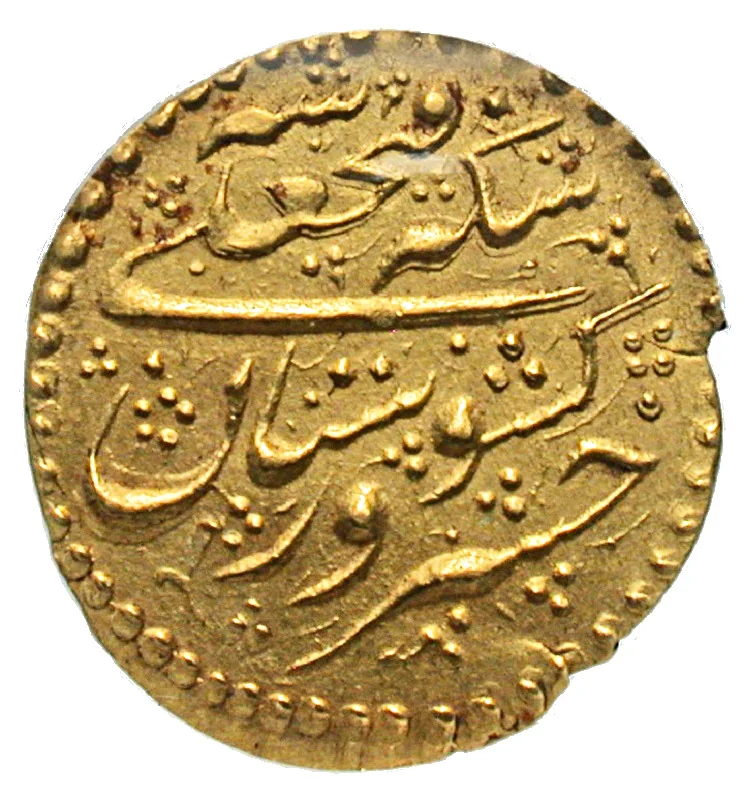
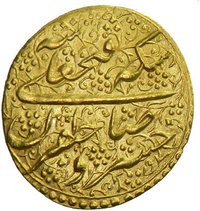
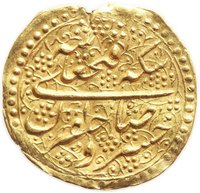
Obverse
Inscription:
سکه فتحعلی شه خسرو کشور ستان
Translation:
Coin of Fath Ali Shah, the King, the Khusraw of the land.
Language: Persian
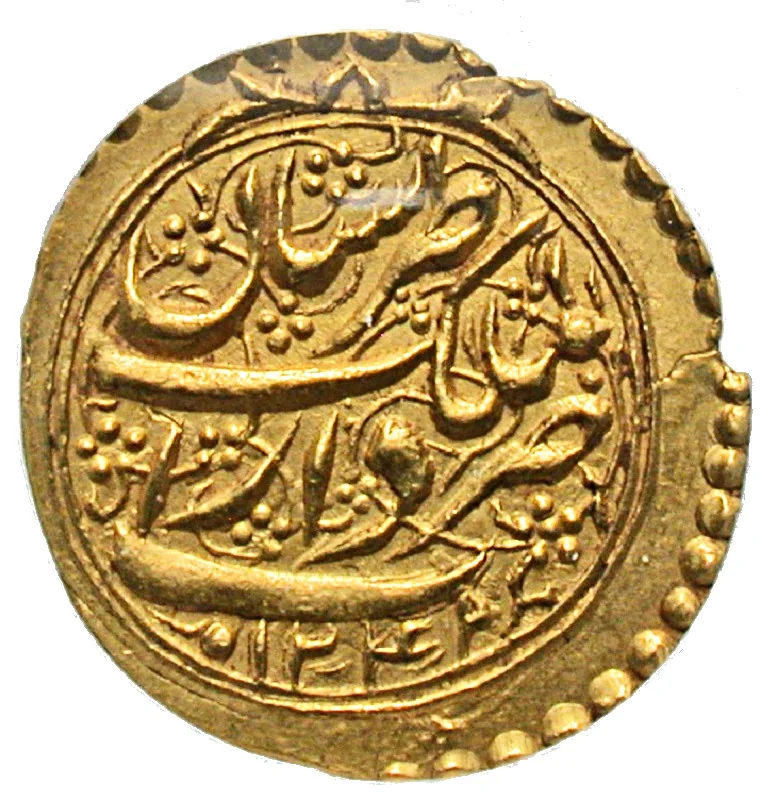
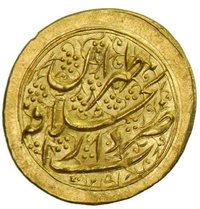
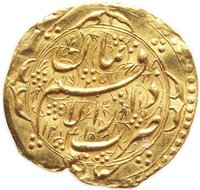
Reverse
Edge
Mintings
| Year | Mint Mark | Mintage | Quality | Collection |
|---|---|---|---|---|
| 1826 | — | — | ||
| 1827 | — | — | ||
| 1828 | — | — |
Historical background
In 1826, Iran’s currency system was a complex and fragmented reflection of its political and economic state under the Qajar dynasty, particularly during the reign of Fath-Ali Shah (1797–1834). The monetary landscape was characterized by a bewildering variety of coins, both domestic and foreign, circulating simultaneously. The primary unit was the silver qiran (later rial), but its value and purity were inconsistent. More crucially, vast quantities of debased copper coins, known as fulus or pulis, were minted by provincial governors and even city authorities to facilitate local small-scale trade, leading to a severe disconnect between the copper and silver currencies.
This monetary chaos was exacerbated by chronic state weakness and fiscal mismanagement. The central government in Tehran struggled to impose a uniform monetary standard across the empire, as provincial autonomy often extended to minting rights. Furthermore, to finance extravagant court expenditures and military campaigns—including the ongoing Russo-Persian War (1826–1828)—the state frequently resorted to debasement, reducing the silver content of coins to create short-term revenue. This practice eroded public trust in the currency and fueled inflation, particularly in urban markets. Concurrently, foreign silver coins, especially the Russian ruble and the British Indian rupee, circulated widely in border regions and major trade centers, often preferred for their reliable metallic content.
Thus, the currency situation in 1826 was one of profound instability, marked by a lack of standardization, competitive debasement, and inflationary pressure. This financial disorder was both a symptom and a cause of Iran’s broader economic difficulties, hindering domestic commerce and complicating international trade. The subsequent Treaty of Turkmenchay in 1828, ending the war with Russia, would further strain the economy with a massive indemnity payment, deepening the monetary crisis and highlighting the urgent, yet unmet, need for comprehensive fiscal and monetary reform.
This monetary chaos was exacerbated by chronic state weakness and fiscal mismanagement. The central government in Tehran struggled to impose a uniform monetary standard across the empire, as provincial autonomy often extended to minting rights. Furthermore, to finance extravagant court expenditures and military campaigns—including the ongoing Russo-Persian War (1826–1828)—the state frequently resorted to debasement, reducing the silver content of coins to create short-term revenue. This practice eroded public trust in the currency and fueled inflation, particularly in urban markets. Concurrently, foreign silver coins, especially the Russian ruble and the British Indian rupee, circulated widely in border regions and major trade centers, often preferred for their reliable metallic content.
Thus, the currency situation in 1826 was one of profound instability, marked by a lack of standardization, competitive debasement, and inflationary pressure. This financial disorder was both a symptom and a cause of Iran’s broader economic difficulties, hindering domestic commerce and complicating international trade. The subsequent Treaty of Turkmenchay in 1828, ending the war with Russia, would further strain the economy with a massive indemnity payment, deepening the monetary crisis and highlighting the urgent, yet unmet, need for comprehensive fiscal and monetary reform.
✨ Legendary