

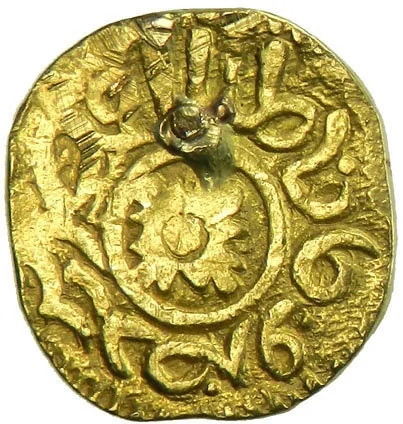
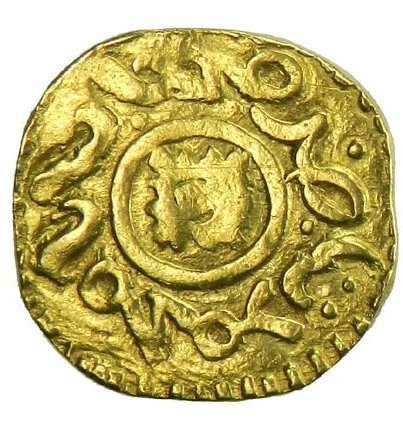
1 benduqi – Morocco
Add to wishlist
Morocco
Context
References
Numista: #158432
Value
Bullion value: $521.55
Mintings
| Year | Mint Mark | Mintage | Quality | Collection |
|---|---|---|---|---|
| — | — | — |
Historical background
In 1859, Morocco's currency situation was characterized by significant instability and fragmentation, a direct reflection of the country's political and economic pressures. The traditional monetary system was based on the silver dirham and the gold benduqi, but their values and purity were not standardized, varying between cities and even transactions. This was compounded by a massive influx of debased Spanish silver coins, particularly the douro (or "duro"), which flooded the market due to trade imbalances and became a de facto currency, further undermining trust in the domestic coinage.
This monetary chaos was exacerbated by the state's fiscal crisis. The Alawite dynasty, under Sultan Mohammed IV, was grappling with the financial strain of modernizing the military and administration while facing heavy war indemnities from earlier conflicts with European powers. To raise funds, the Makhzen (central government) frequently resorted to currency debasement, reducing the silver content of newly minted coins. This practice led to Gresham's Law in action, where "bad money drives out good," as holders hoarded older, purer coins, worsening the circulation of unreliable currency and causing price inflation and market discontent.
The situation reached a critical point in 1859, on the eve of the Spanish-Moroccan War (known as the Tetuan War). The impending conflict created urgent demands for military financing, placing even greater strain on the fragile monetary system. The war, which began in late 1859 and concluded in 1860, would result in a crushing defeat for Morocco and a massive indemnity of 100 million pesetas. This penalty would force the Sultanate to take its first foreign loan in 1862, decisively linking Morocco's currency and economy to European financial systems and setting the stage for future reforms aimed at creating a unified, modern currency.
This monetary chaos was exacerbated by the state's fiscal crisis. The Alawite dynasty, under Sultan Mohammed IV, was grappling with the financial strain of modernizing the military and administration while facing heavy war indemnities from earlier conflicts with European powers. To raise funds, the Makhzen (central government) frequently resorted to currency debasement, reducing the silver content of newly minted coins. This practice led to Gresham's Law in action, where "bad money drives out good," as holders hoarded older, purer coins, worsening the circulation of unreliable currency and causing price inflation and market discontent.
The situation reached a critical point in 1859, on the eve of the Spanish-Moroccan War (known as the Tetuan War). The impending conflict created urgent demands for military financing, placing even greater strain on the fragile monetary system. The war, which began in late 1859 and concluded in 1860, would result in a crushing defeat for Morocco and a massive indemnity of 100 million pesetas. This penalty would force the Sultanate to take its first foreign loan in 1862, decisively linking Morocco's currency and economy to European financial systems and setting the stage for future reforms aimed at creating a unified, modern currency.

✨ Legendary