


20 dollars (Royal Canadian Mint) – Canada
Add to wishlist
Non-circulating coins
Commemoration: 110th Anniversary of the Royal Canadian Mint
Canada
Context
Material
Diameter: 38 mm
Weight: 31.39 g
Silver Weight:: 31.39 g
Shape: Round
Composition: Silver
Standard: Silver ounce
Magnetic: No
Technique: Milled
Alignment: Medal alignment
flip

References
KM: #
Numista: #157744
Value
Exchange value: 20 CAD
Bullion value: $78.66
Inflation-adjusted value: 24.81 CAD
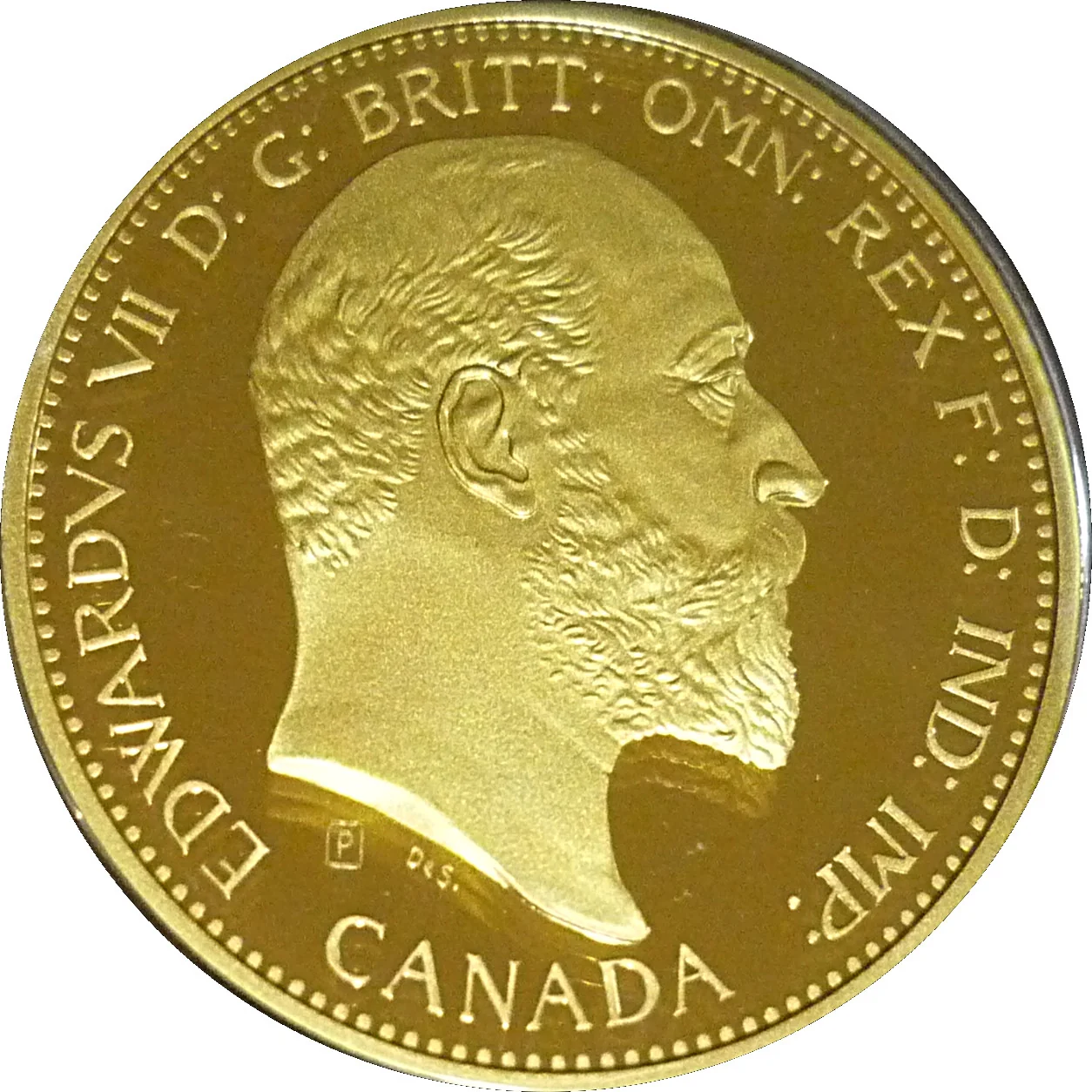
Obverse
Description:
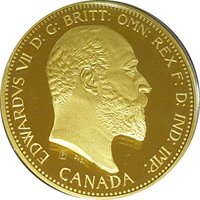
King Edward VII facing right.
Inscription:
EDWARDVS VII D: G: BRITT: OMN: REX: F: D: IND: IMP:
P DeS.
CANADA
P DeS.
CANADA
Translation:
Edward VII, by the Grace of God, of all the Britains King, Defender of the Faith, Emperor of India.
Dei Gratia.
Canada
Dei Gratia.
Canada
Script: Latin
Language: Latin
Designer: George William de Saulles
Reverse
Description:
Saint George, on horseback, holds the reins with his left hand and a sword with his right, standing over a wounded dragon.
Inscription:
20 DOLLARS
2018 B.P.
2018 B.P.
Script: Latin
Designer: Benedetto Pistrucci
Edge
Reeded
Categories
| Mythology> Fantastic animal |
| Animal> Horse |
| Object> Cold weapons |
Mints
| Name | Mark |
|---|---|
| Royal Canadian Mint of Ottawa | — |
Mintings
| Year | Mint Mark | Mintage | Quality | Collection |
|---|---|---|---|---|
| 2018 | — | 5,000 | Proof |
Historical background
In 2018, the Canadian economy and its currency, the Canadian dollar (CAD), were significantly influenced by external trade tensions and domestic monetary policy. The year began with a strong "loonie," buoyed by synchronized global growth and relatively high oil prices, which traditionally benefit the commodity-linked currency. However, this strength was quickly challenged by escalating uncertainty surrounding the North American Free Trade Agreement (NAFTA) renegotiations. Fears that the crucial trade pact could collapse created persistent volatility, as Canada's export-driven economy is deeply integrated with the United States.
Domestically, the Bank of Canada (BoC) played a central role. After raising interest rates three times in 2017, the BoC continued its tightening cycle with three more hikes in 2018 (in January, July, and October), bringing the key rate to 1.75%. This policy divergence from other central banks, aimed at cooling a robust domestic economy and high household debt, provided underlying support for the CAD by attracting investment. However, Governor Stephen Poloz also emphasized a cautious, data-dependent approach, often citing NAFTA risks and slowing global growth as reasons for patience, which tempered the currency's gains.
By year's end, the Canadian dollar had weakened considerably, falling from approximately US$0.81 in January to near US$0.73 in December. This decline was driven by a perfect storm of collapsing oil prices, a finalized but still uncertain USMCA trade deal (which replaced NAFTA), and a marked shift in market sentiment toward safe-haven assets like the U.S. dollar amid growing global economic fears. Thus, 2018 was a year where the loonie transitioned from early strength to late-year vulnerability, caught between domestic monetary tightening and powerful external headwinds.
Domestically, the Bank of Canada (BoC) played a central role. After raising interest rates three times in 2017, the BoC continued its tightening cycle with three more hikes in 2018 (in January, July, and October), bringing the key rate to 1.75%. This policy divergence from other central banks, aimed at cooling a robust domestic economy and high household debt, provided underlying support for the CAD by attracting investment. However, Governor Stephen Poloz also emphasized a cautious, data-dependent approach, often citing NAFTA risks and slowing global growth as reasons for patience, which tempered the currency's gains.
By year's end, the Canadian dollar had weakened considerably, falling from approximately US$0.81 in January to near US$0.73 in December. This decline was driven by a perfect storm of collapsing oil prices, a finalized but still uncertain USMCA trade deal (which replaced NAFTA), and a marked shift in market sentiment toward safe-haven assets like the U.S. dollar amid growing global economic fears. Thus, 2018 was a year where the loonie transitioned from early strength to late-year vulnerability, caught between domestic monetary tightening and powerful external headwinds.

💎 Extremely Rare