

3 falus – Morocco
Add to wishlist
Morocco
Context
Year: 1801
Islamic (Hijri) Year:: 1215
Issuer: Morocco
Ruler: Moulay Sulayman
Currency:
(1659—1882)
Demonetized: Yes
References
KM: #
Numista: #157201
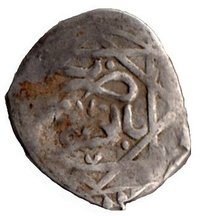
Obverse
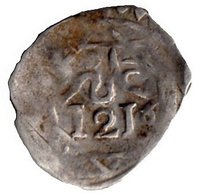
Reverse
Edge
Mintings
| Year | Mint Mark | Mintage | Quality | Collection |
|---|---|---|---|---|
| 1801 | — | — |
Historical background
In 1801, Morocco's currency situation was characterized by a complex and fragmented system, reflecting the country's political decentralization and diverse economic engagements. The primary unit was the silver dirham, but its weight and purity varied significantly between regions and even cities, as local authorities and tribal leaders often minted their own coins. Alongside these, Spanish reales and other European silver coins circulated widely, especially in coastal trading ports, due to the active commerce with European powers. This created a dual system where foreign coinage was essential for international trade, while a multitude of local issues served domestic markets.
The monetary landscape was under the nominal authority of the Alaouite Sultan Mawlay Sulayman, but his control was often tenuous. The central Makhzen (government) in cities like Fez and Marrakech minted coins, but many regions operated with de facto autonomy, leading to a lack of standardization and frequent debasement. This instability was exacerbated by fluctuating silver supplies and the economic strain of maintaining independence from the Ottoman Empire while navigating European commercial and political pressures. Consequently, exchange rates were highly localized and negotiable, posing a significant challenge to internal trade and state revenue collection.
This fragmented system ultimately mirrored the broader state of the Moroccan economy in the early 19th century: internally diverse and externally dependent. The reliance on foreign silver highlighted Morocco's integration into Atlantic and Mediterranean trade networks, yet the lack of a unified currency underscored the limited power of the central state to impose economic order. This situation would persist until later in the century, when stronger sultans and increased European influence would lead to more centralized monetary reforms.
The monetary landscape was under the nominal authority of the Alaouite Sultan Mawlay Sulayman, but his control was often tenuous. The central Makhzen (government) in cities like Fez and Marrakech minted coins, but many regions operated with de facto autonomy, leading to a lack of standardization and frequent debasement. This instability was exacerbated by fluctuating silver supplies and the economic strain of maintaining independence from the Ottoman Empire while navigating European commercial and political pressures. Consequently, exchange rates were highly localized and negotiable, posing a significant challenge to internal trade and state revenue collection.
This fragmented system ultimately mirrored the broader state of the Moroccan economy in the early 19th century: internally diverse and externally dependent. The reliance on foreign silver highlighted Morocco's integration into Atlantic and Mediterranean trade networks, yet the lack of a unified currency underscored the limited power of the central state to impose economic order. This situation would persist until later in the century, when stronger sultans and increased European influence would lead to more centralized monetary reforms.

✨ Legendary