

3 Falus – Morocco
Morocco
Context

References
KM: #Click to copy to clipboard100.4
Numista: #157199
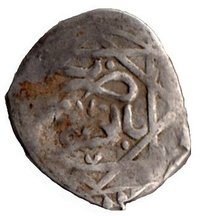
Obverse
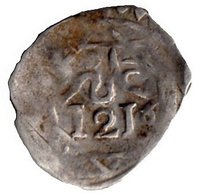
Reverse
Edge
Mintings
| Year | Mint Mark | Mintage | Quality | Collection |
|---|---|---|---|---|
| 1802 | — | — |
Historical background
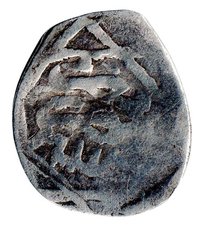
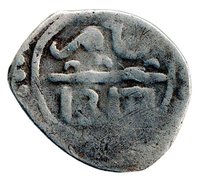
In 1802, Morocco's currency situation was characterized by a complex and fragmented system, deeply tied to its political and economic realities. The Alaouite Sultanate, under Sultan Moulay Slimane, did not issue a unified national currency. Instead, the monetary landscape was a mixture of disparate coins from various origins. The most important were the silver dirhams and gold benduqis minted in cities like Fes, Marrakech, and Tetouan, but their weight and purity could vary significantly between mints and even between different batches. Alongside these, a plethora of foreign coins—especially Spanish silver reales (pieces of eight), Ottoman altuns, and other European currencies—circulated widely, particularly in port cities engaged in international trade.
This monetary fragmentation reflected Morocco’s decentralized economic structure and its position as a hub for trans-Saharan and Mediterranean commerce. The value of coins was based intrinsically on their metallic content (silver or gold), requiring merchants and money-changers (sarrafs) to constantly assay and weigh coins for transactions. The state’s revenue, collected largely in kind or in specific coins, was vulnerable to fluctuations in the global supply of precious metals. Furthermore, the Sultan’s control over the mints was inconsistent, leading to periods of debasement to finance state expenditures, which in turn eroded public trust in locally struck coinage and reinforced reliance on trusted foreign specie.
Consequently, the early 19th century system was inherently unstable and inefficient for a growing economy. The lack of standardization hampered domestic trade and complicated taxation, while the influx of foreign coins highlighted Morocco’s integration into, and dependence on, broader Atlantic and Mediterranean economic currents. This ad-hoc system would persist until later in the century, when pressures from European trade and colonial ambitions eventually forced more centralized monetary reforms under subsequent Sultans.
This monetary fragmentation reflected Morocco’s decentralized economic structure and its position as a hub for trans-Saharan and Mediterranean commerce. The value of coins was based intrinsically on their metallic content (silver or gold), requiring merchants and money-changers (sarrafs) to constantly assay and weigh coins for transactions. The state’s revenue, collected largely in kind or in specific coins, was vulnerable to fluctuations in the global supply of precious metals. Furthermore, the Sultan’s control over the mints was inconsistent, leading to periods of debasement to finance state expenditures, which in turn eroded public trust in locally struck coinage and reinforced reliance on trusted foreign specie.
Consequently, the early 19th century system was inherently unstable and inefficient for a growing economy. The lack of standardization hampered domestic trade and complicated taxation, while the influx of foreign coins highlighted Morocco’s integration into, and dependence on, broader Atlantic and Mediterranean economic currents. This ad-hoc system would persist until later in the century, when pressures from European trade and colonial ambitions eventually forced more centralized monetary reforms under subsequent Sultans.
✨ Legendary