

1 dirham – Morocco
Add to wishlist
Morocco
Context
Years: 1852–1853
Issuer: Morocco
Ruler: Moulay ‘Abd al-Rahman
Currency:
(1659—1882)
Demonetized: Yes
References
Numista: #157155
Value
Bullion value: $5.45
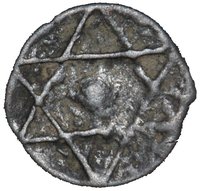
Obverse
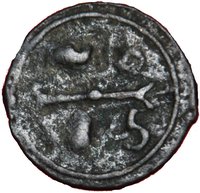
Reverse
Edge
Mintings
| Year | Mint Mark | Mintage | Quality | Collection |
|---|---|---|---|---|
| 1852 | — | — | ||
| 1853 | — | — |
Historical background
In 1852, Morocco's currency situation was characterized by a complex and unstable monetary system, a direct reflection of the country's political and economic pressures. The traditional unit of account was the silver dirham, but the actual circulating medium was a chaotic mix of domestic and foreign coins. These included locally minted benduqi and ouniya coins, often debased with copper, alongside a flood of foreign silver—particularly Spanish pesetas and French francs—and even older Ottoman and Maria Theresa thalers. This lack of a uniform, trusted national currency hampered trade and state revenue collection, as exchange rates fluctuated wildly between ports and inland cities.
The root of this monetary disorder lay in Morocco's deepening integration into the global economy and its severe fiscal weakness. The Alawite dynasty, under Sultan Abd al-Rahman, was grappling with massive debt from an ill-fated war with France (1844) and a subsequent large indemnity. To meet these obligations, the Makhzen (government) resorted to heavy debasement of the coinage, reducing the silver content to generate seigniorage revenue. This practice, however, eroded public trust in the currency, fueled inflation in local markets, and further incentivized the use of heavier, more reliable foreign coins, which were preferred for substantial transactions and international trade.
Consequently, the year 1852 falls within a period of protracted monetary crisis that would eventually force reform. The Sultan's government, recognizing the need for stability, was on a path that would lead to the first major modernization of the mint. Just a few years later, in 1856, new European-style silver coins, the rial, were introduced in an attempt to create a standardized currency and restore confidence. Thus, the situation in 1852 represents the turbulent climax of an outdated system, presaging a forced and difficult transition toward a modernized monetary regime under European financial influence.
The root of this monetary disorder lay in Morocco's deepening integration into the global economy and its severe fiscal weakness. The Alawite dynasty, under Sultan Abd al-Rahman, was grappling with massive debt from an ill-fated war with France (1844) and a subsequent large indemnity. To meet these obligations, the Makhzen (government) resorted to heavy debasement of the coinage, reducing the silver content to generate seigniorage revenue. This practice, however, eroded public trust in the currency, fueled inflation in local markets, and further incentivized the use of heavier, more reliable foreign coins, which were preferred for substantial transactions and international trade.
Consequently, the year 1852 falls within a period of protracted monetary crisis that would eventually force reform. The Sultan's government, recognizing the need for stability, was on a path that would lead to the first major modernization of the mint. Just a few years later, in 1856, new European-style silver coins, the rial, were introduced in an attempt to create a standardized currency and restore confidence. Thus, the situation in 1852 represents the turbulent climax of an outdated system, presaging a forced and difficult transition toward a modernized monetary regime under European financial influence.

✨ Legendary