

1 dirham – Morocco
Add to wishlist
Morocco
Context
Year: 1827
Islamic (Hijri) Year:: 1242
Issuer: Morocco
Ruler: Moulay ‘Abd al-Rahman
Currency:
(1659—1882)
Demonetized: Yes
References
Numista: #157139
Value
Bullion value: $4.98
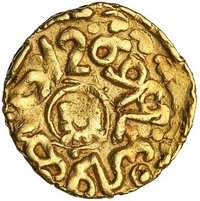
Obverse
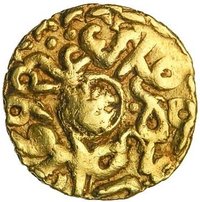
Reverse
Edge
Mintings
| Year | Mint Mark | Mintage | Quality | Collection |
|---|---|---|---|---|
| 1827 | — | — |
Historical background
In 1827, the currency situation in the Kingdom of Morocco was characterized by a complex and fragmented monetary system, a legacy of its historic trade networks and limited central minting authority. The primary circulating coins were silver dirhams and gold benduqi minted in various cities like Fes, Marrakech, and Tetouan, but their weight and purity were inconsistent, leading to confusion in commerce. Alongside these, a plethora of foreign coins circulated widely, most notably the Spanish silver dollar (piece of eight), British sovereigns, and Ottoman and Algerian currencies, reflecting Morocco’s extensive maritime and overland trade with Europe and the wider Islamic world.
This multiplicity created significant challenges for both the Makhzen (the central government under Sultan Abd al-Rahman) and merchants. Exchange rates fluctuated based on the metallic content and perceived reliability of each coin type, complicating tax collection and state finances. The Sultanate attempted to assert control by striking its own coins, but it lacked the centralized apparatus to standardize the currency or drive foreign coins out of circulation. Consequently, major port cities and trading hubs often operated on a de facto foreign silver standard, while interior regions relied on a mix of local and imported coinage.
The monetary disarray was symptomatic of broader pressures facing the Moroccan state in the early 19th century. While not yet facing the direct colonial subjugation that would come later, European economic influence was growing, and the state's fiscal weakness limited its ability to reform the system. The currency situation thus remained in a precarious equilibrium—functional enough for daily trade, especially in cosmopolitan centers, but inherently unstable and a reflection of the Sultanate’s struggle to maintain economic sovereignty in an era of increasing European commercial dominance.
This multiplicity created significant challenges for both the Makhzen (the central government under Sultan Abd al-Rahman) and merchants. Exchange rates fluctuated based on the metallic content and perceived reliability of each coin type, complicating tax collection and state finances. The Sultanate attempted to assert control by striking its own coins, but it lacked the centralized apparatus to standardize the currency or drive foreign coins out of circulation. Consequently, major port cities and trading hubs often operated on a de facto foreign silver standard, while interior regions relied on a mix of local and imported coinage.
The monetary disarray was symptomatic of broader pressures facing the Moroccan state in the early 19th century. While not yet facing the direct colonial subjugation that would come later, European economic influence was growing, and the state's fiscal weakness limited its ability to reform the system. The currency situation thus remained in a precarious equilibrium—functional enough for daily trade, especially in cosmopolitan centers, but inherently unstable and a reflection of the Sultanate’s struggle to maintain economic sovereignty in an era of increasing European commercial dominance.

✨ Legendary