

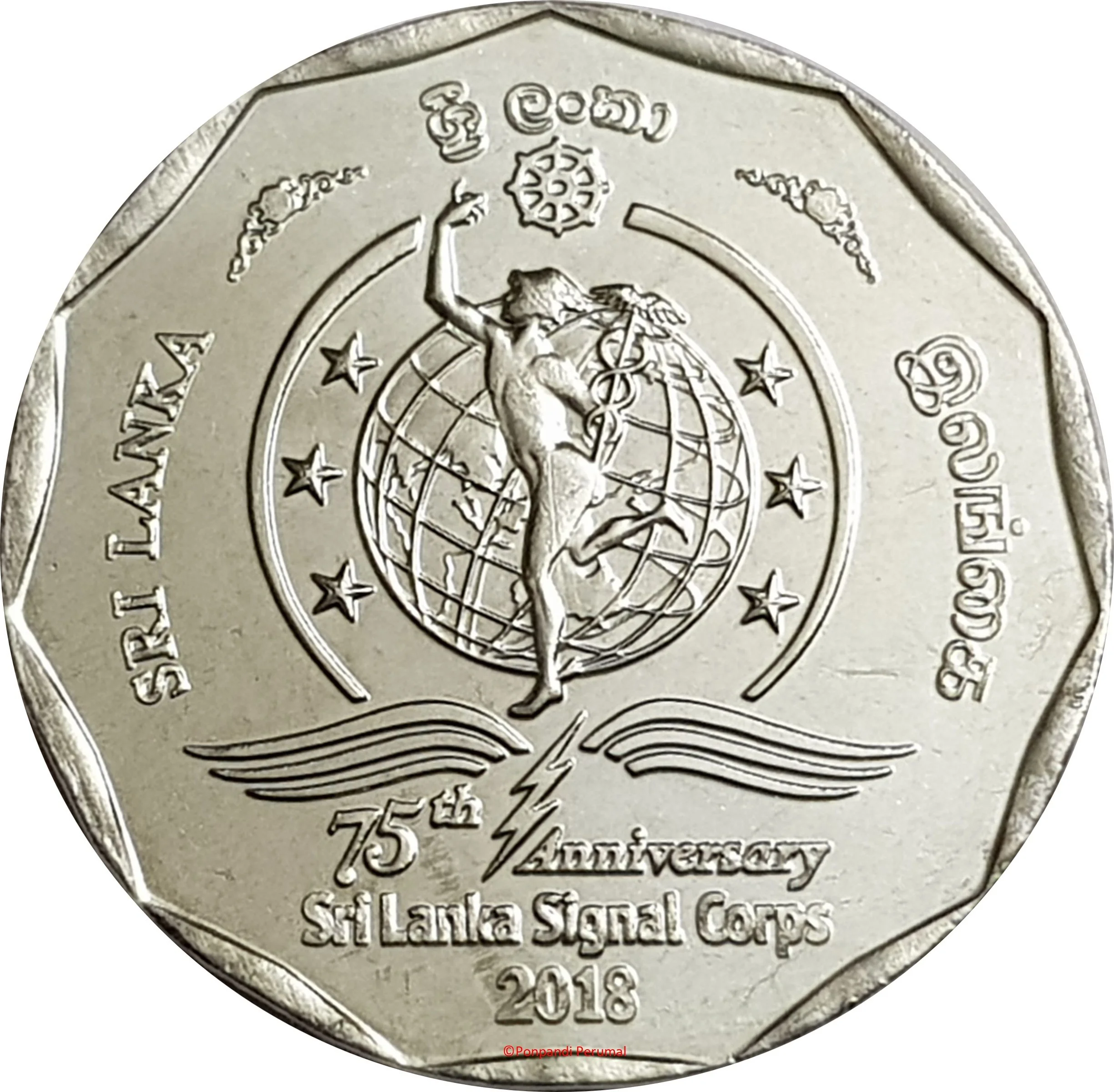
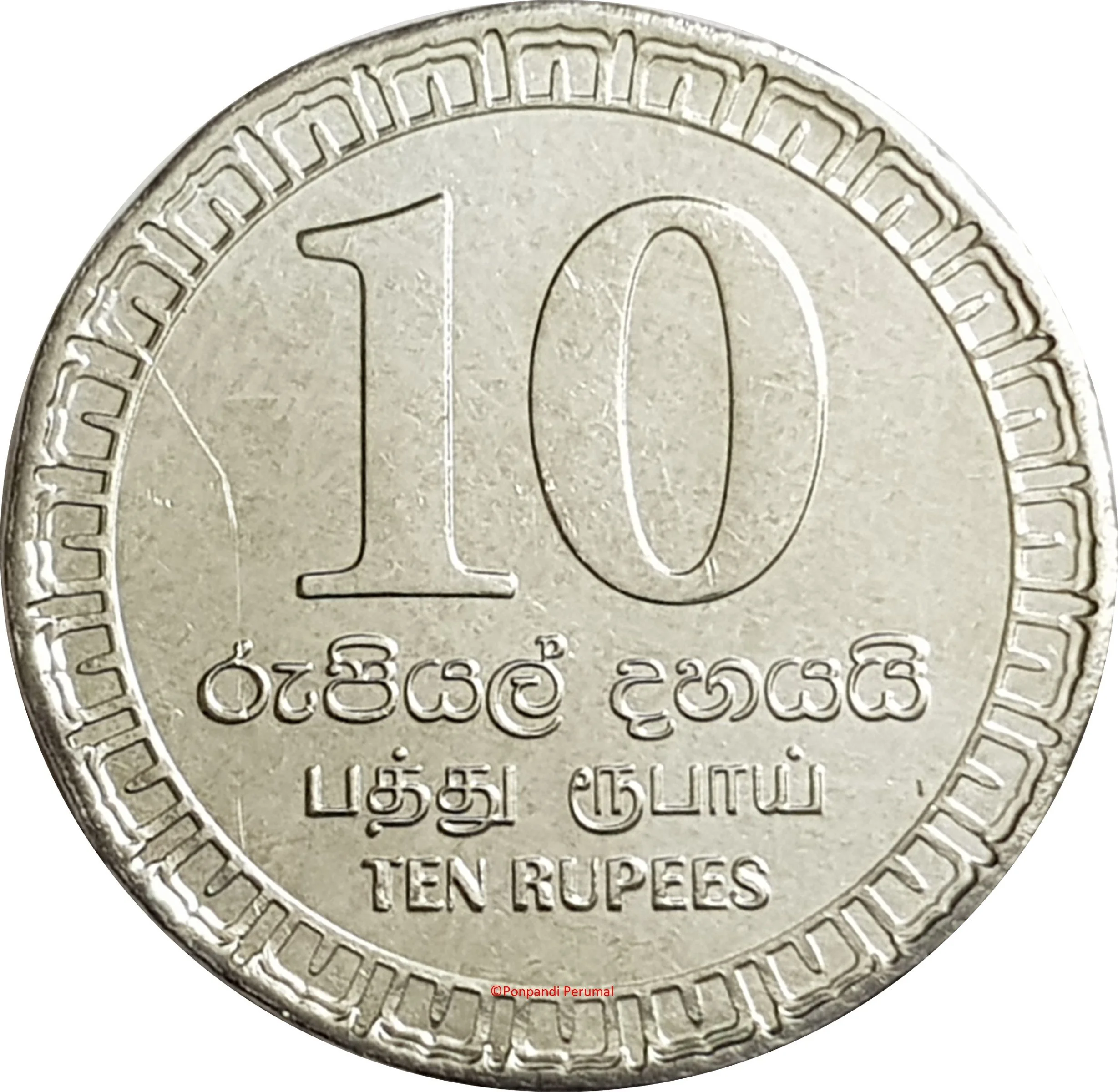
10 rupees (Sri Lanka Signal Corps) – Sri Lanka
Add to wishlist
Circulating commemorative coins
Commemoration: 75th Anniversary Sri Lanka Signal Corps
Sri Lanka
Context
Material
Diameter: 26.4 mm
Weight: 6.43 g
Thickness: 1.74 mm
Shape: Round
Composition: Stainless steel
Technique: Milled
Alignment: Medal alignment
flip
References
KM: #
Numista: #156217
Value
Exchange value: 10 LKR
Obverse
Reverse
Edge
Plain
Mintings
| Year | Mint Mark | Mintage | Quality | Collection |
|---|---|---|---|---|
| 2018 | — | 5,000,000 |
Historical background
In 2018, Sri Lanka's currency situation was characterized by significant pressure and volatility, primarily driven by a severe balance of payments crisis. The Sri Lankan Rupee (LKR) experienced a sharp depreciation, losing approximately 19% of its value against the US dollar over the year, making it one of Asia's worst-performing currencies. This decline was fueled by a combination of a widening trade deficit, high foreign debt repayments, and a drop in foreign exchange reserves. Investor confidence was further shaken by political instability following the constitutional crisis in late October, when President Maithripala Sirisena abruptly dismissed the prime minister.
The underlying economic vulnerabilities were clear. The country faced a large current account deficit, exceeding 3% of GDP, as imports (including vehicles, petroleum, and consumer goods) far outpaced exports like tea and garments. Simultaneously, Sri Lanka was in the midst of a challenging external debt repayment cycle, requiring billions in foreign currency. Despite entering an IMF Extended Fund Facility program in 2016, reserves remained under pressure. The Central Bank of Sri Lanka (CBSL) intervened repeatedly, selling dollars to defend the rupee, which further depleted reserves and ultimately proved unsustainable.
In response, the CBSL shifted its policy in the latter half of the year, moving away from defending a specific exchange rate band. It allowed the rupee to float more freely to find its market level, while also tightening monetary policy by raising interest rates to curb imports and attract foreign capital. These painful adjustments, alongside a surge in workers' remittances and improved tourism revenue, provided some stabilisation by year-end. However, 2018 exposed the structural weaknesses in Sri Lanka's external sector, setting the stage for the more profound economic crisis that would unfold in the coming years.
The underlying economic vulnerabilities were clear. The country faced a large current account deficit, exceeding 3% of GDP, as imports (including vehicles, petroleum, and consumer goods) far outpaced exports like tea and garments. Simultaneously, Sri Lanka was in the midst of a challenging external debt repayment cycle, requiring billions in foreign currency. Despite entering an IMF Extended Fund Facility program in 2016, reserves remained under pressure. The Central Bank of Sri Lanka (CBSL) intervened repeatedly, selling dollars to defend the rupee, which further depleted reserves and ultimately proved unsustainable.
In response, the CBSL shifted its policy in the latter half of the year, moving away from defending a specific exchange rate band. It allowed the rupee to float more freely to find its market level, while also tightening monetary policy by raising interest rates to curb imports and attract foreign capital. These painful adjustments, alongside a surge in workers' remittances and improved tourism revenue, provided some stabilisation by year-end. However, 2018 exposed the structural weaknesses in Sri Lanka's external sector, setting the stage for the more profound economic crisis that would unfold in the coming years.
🌱 Fairly Common