

5 cents – Straits Settlements
Add to wishlist
Malaysia
Context
Year: 1920
Country: Malaysia
Issuer: Straits Settlements
Ruler: George V
Currency:
(1845—1939)
Demonetized: Yes
Total mintage: 20,000,000
Material
Diameter: 20 mm
Weight: 4 g
Thickness: 2 mm
Shape: Round
Composition: Copper-nickel
Technique: Milled
Alignment: Medal alignment
flip
References
KM: #
Numista: #15536
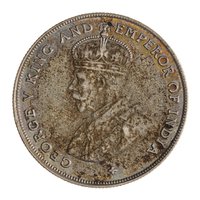
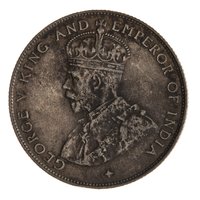
Obverse
Description:
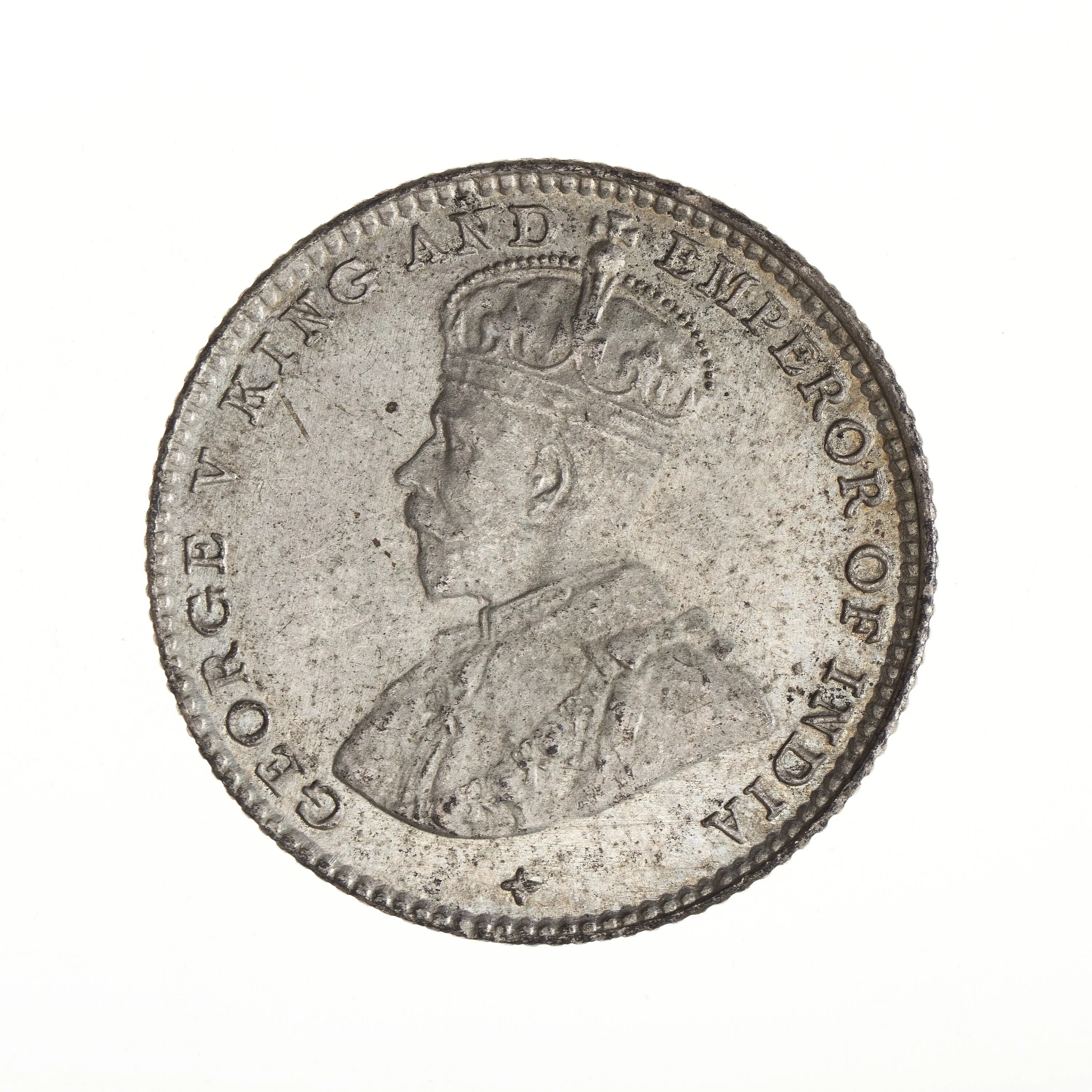
Crowned left-facing bust.
Inscription:
GEORGE V KING AND EMPEROR OF INDIA
Translation:
GEORGE V KING AND EMPEROR OF INDIA
Script: Latin
Language: English
Engraver: Edgar Bertram MacKennal
Reverse
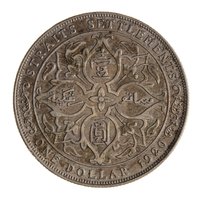
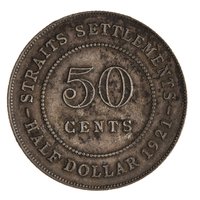
Description:
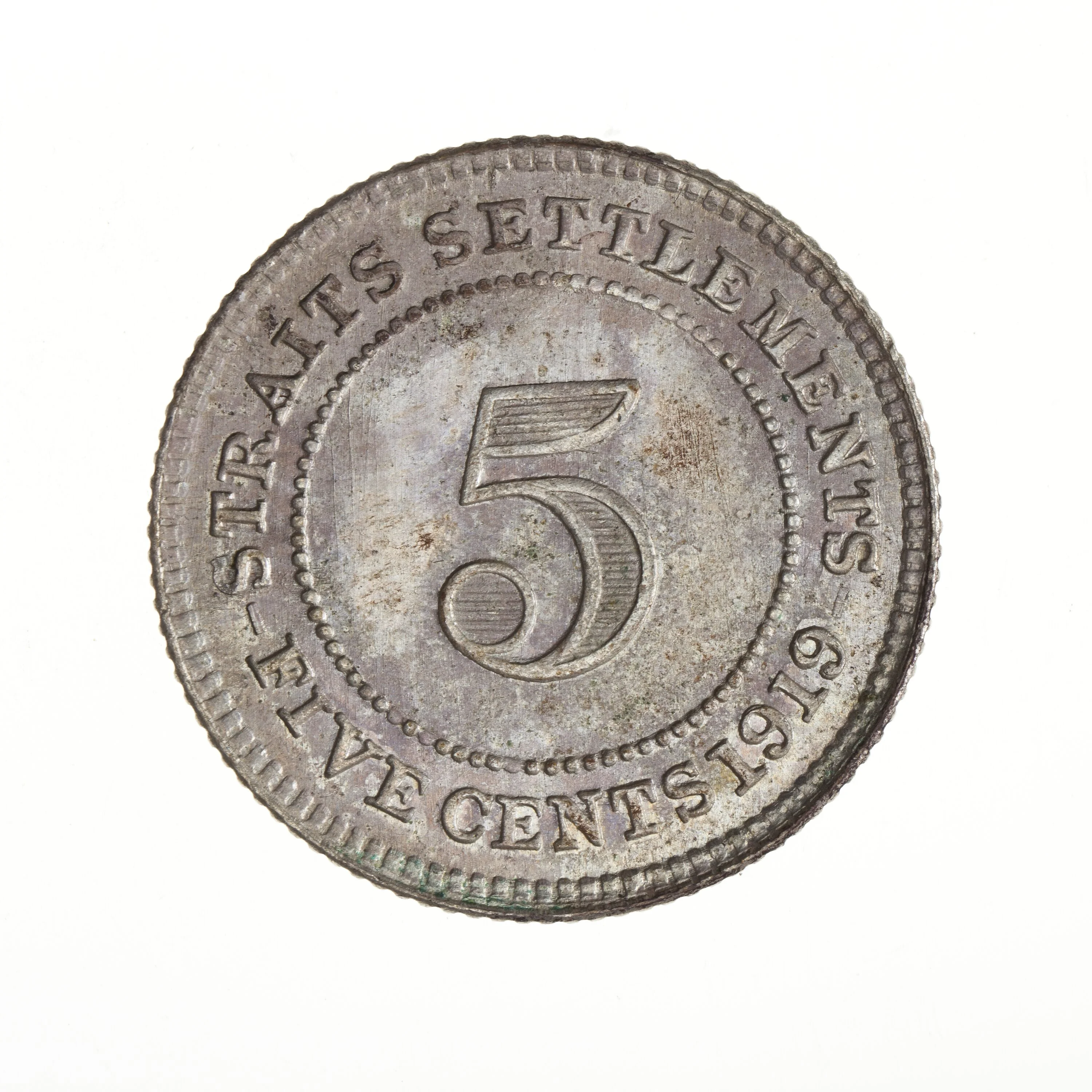
Denomination in beaded circle, date at lower right.
Inscription:
STRAITS SETTLEMENTS
5
-FIVE CENTS 1920-
5
-FIVE CENTS 1920-
Script: Latin
Edge
Plain
Mints
| Name | Mark |
|---|---|
| Mumbai / Bombay | — |
Mintings
| Year | Mint Mark | Mintage | Quality | Collection |
|---|---|---|---|---|
| 1920 | — | 20,000,000 | ||
| 1920 | — | — | Proof |
Historical background
In 1920, the Straits Settlements (comprising Singapore, Penang, and Malacca) operated under a unique and stable currency system centred on the Straits dollar. This currency was on a gold-exchange standard, managed by the Board of Commissioners of Currency, Straits Settlements, which had held the sole right of issue since 1899. The system was effectively pegged to sterling at a fixed rate of 2 shillings and 4 pence per Straits dollar, providing crucial stability for the colony's extensive entrepôt trade and fostering confidence among international merchants and investors.
The post-World War I era presented significant challenges to this stability. Global inflationary pressures and a dramatic rise in the price of silver—the metal in which the Straits dollar's value was historically rooted—threatened the peg. A high silver price risked making the silver content of the coins worth more than their face value, potentially leading to hoarding or melting. To preempt this, the authorities took decisive action in 1920 by demonetising the standard silver dollar and replacing it with a new smaller-sized silver coin. More importantly, they severed the currency's direct link to silver, reaffirming its commitment to the sterling gold-exchange standard.
Consequently, by the end of 1920, the Straits Settlements' currency situation was characterised by a successful defence of its sterling peg amidst global turbulence. The system was fundamentally fiduciary, backed by securities and sterling reserves held in London, rather than by a silver bullion reserve. This structure firmly integrated the Straits economy into the British imperial financial sphere, ensuring monetary stability that would underpin the region's commercial prosperity throughout the 1920s, until the shocks of the Great Depression.
The post-World War I era presented significant challenges to this stability. Global inflationary pressures and a dramatic rise in the price of silver—the metal in which the Straits dollar's value was historically rooted—threatened the peg. A high silver price risked making the silver content of the coins worth more than their face value, potentially leading to hoarding or melting. To preempt this, the authorities took decisive action in 1920 by demonetising the standard silver dollar and replacing it with a new smaller-sized silver coin. More importantly, they severed the currency's direct link to silver, reaffirming its commitment to the sterling gold-exchange standard.
Consequently, by the end of 1920, the Straits Settlements' currency situation was characterised by a successful defence of its sterling peg amidst global turbulence. The system was fundamentally fiduciary, backed by securities and sterling reserves held in London, rather than by a silver bullion reserve. This structure firmly integrated the Straits economy into the British imperial financial sphere, ensuring monetary stability that would underpin the region's commercial prosperity throughout the 1920s, until the shocks of the Great Depression.
🌱 Common