

1 dollar – Straits Settlements
Add to wishlist
Malaysia
Context
Years: 1903–1904
Country: Malaysia
Issuer: Straits Settlements
Ruler: Edward VII
Currency:
(1845—1939)
Demonetization: 31 December 1952
Total mintage: 35,374,555
Material
References
KM: #
Numista: #15533
Value
Bullion value: $60.47
Obverse
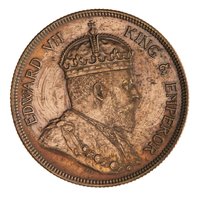
Description:
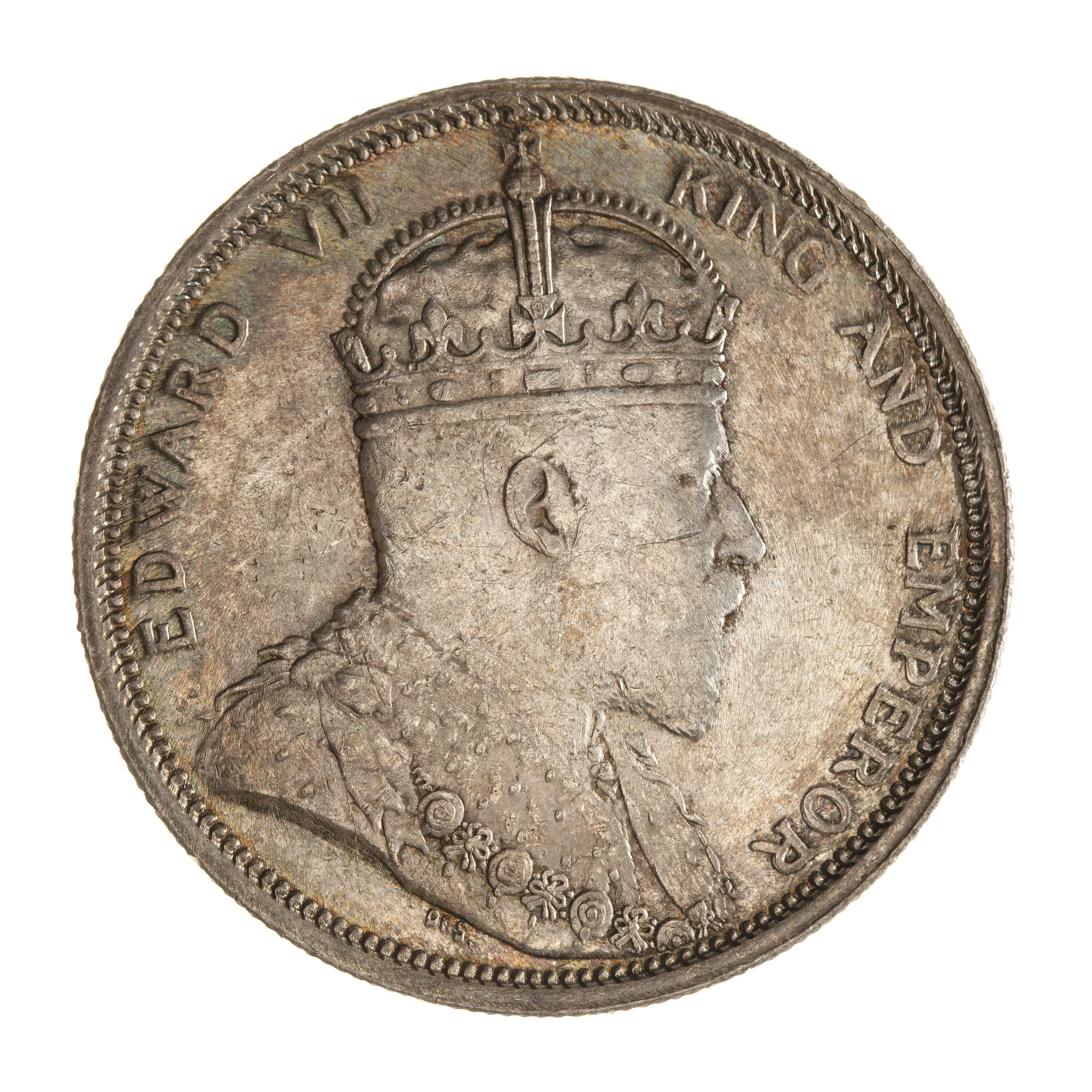
Right-facing crowned bust.
Inscription:
EDWARD VII KING AND EMPEROR
Translation:
EDWARD VII KING AND EMPEROR
Script: Latin
Language: English
Engraver: George William de Saulles
Reverse
Description:
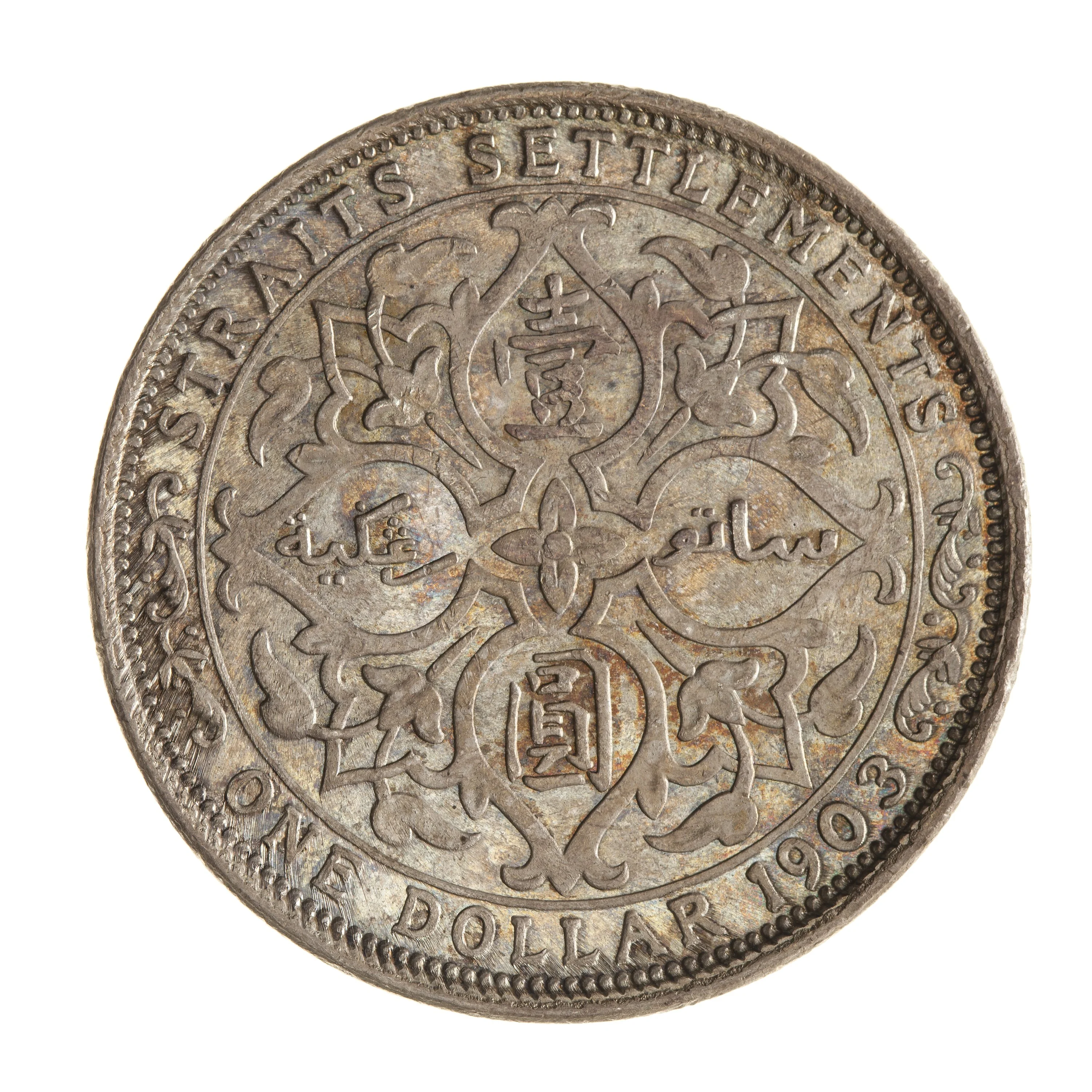
Arabesque encircles Chinese and Malay text; English around the edge.
Inscription:
STRAITS SETTLEMENTS
壹
ساتو رڠڬية
圓
ONE DOLLAR 1903
壹
ساتو رڠڬية
圓
ONE DOLLAR 1903
Translation:
STRAITS SETTLEMENTS
ONE
ONE DOLLAR
ONE DOLLAR 1903
ONE
ONE DOLLAR
ONE DOLLAR 1903
Script: Latin
Engraver: George William de Saulles
Edge
Reeded
Mints
| Name | Mark |
|---|---|
| Mumbai / Bombay | B |
Mintings
Historical background
By 1903, the currency situation in the Straits Settlements (comprising Singapore, Penang, and Malacca) was one of complex transition and colonial monetary management. The official currency was the Straits dollar, a silver coin minted specifically for the colony since 1903, which replaced the earlier British and Mexican silver dollars that had dominated regional trade. This move was a direct result of the Straits Settlements becoming a Crown Colony in 1867 and the subsequent Currency Ordinance of 1895, which aimed to establish a unified, stable monetary system detached from the fluctuating silver reserves of India. The Straits dollar was pegged to sterling at a fixed rate of 2 shillings and 4 pence, but its value was still intrinsically linked to the price of silver on the global market.
This link to silver created significant administrative challenges, as the late 19th century had seen a global depression in silver prices. The declining value of silver threatened the stability of the Straits dollar against gold-based currencies like the pound sterling, causing concern for British investors and the colonial government. Consequently, 1903 fell within a period of intense debate and preparation for a major monetary reform. The authorities were actively working towards taking the Straits dollar off the silver standard and placing it on a gold-exchange standard, a system that would firmly anchor its value to sterling and insulate the colony's economy from volatile silver prices.
Thus, the currency situation in 1903 was characterised by a newly minted local coin circulating in an economy that was still formally on a silver standard, but with a clear colonial policy trajectory toward the gold standard. This transition was driven by the need to facilitate safer British capital investment and integrate the colony's finances more securely into the imperial system. The landmark Currency Ordinance that would formally establish the gold-exchange standard was, in fact, passed just a few years later in 1906, making 1903 a pivotal year at the end of the silver era in Straits Settlements monetary history.
This link to silver created significant administrative challenges, as the late 19th century had seen a global depression in silver prices. The declining value of silver threatened the stability of the Straits dollar against gold-based currencies like the pound sterling, causing concern for British investors and the colonial government. Consequently, 1903 fell within a period of intense debate and preparation for a major monetary reform. The authorities were actively working towards taking the Straits dollar off the silver standard and placing it on a gold-exchange standard, a system that would firmly anchor its value to sterling and insulate the colony's economy from volatile silver prices.
Thus, the currency situation in 1903 was characterised by a newly minted local coin circulating in an economy that was still formally on a silver standard, but with a clear colonial policy trajectory toward the gold standard. This transition was driven by the need to facilitate safer British capital investment and integrate the colony's finances more securely into the imperial system. The landmark Currency Ordinance that would formally establish the gold-exchange standard was, in fact, passed just a few years later in 1906, making 1903 a pivotal year at the end of the silver era in Straits Settlements monetary history.
🌱 Fairly Common