


Obverse
Description:
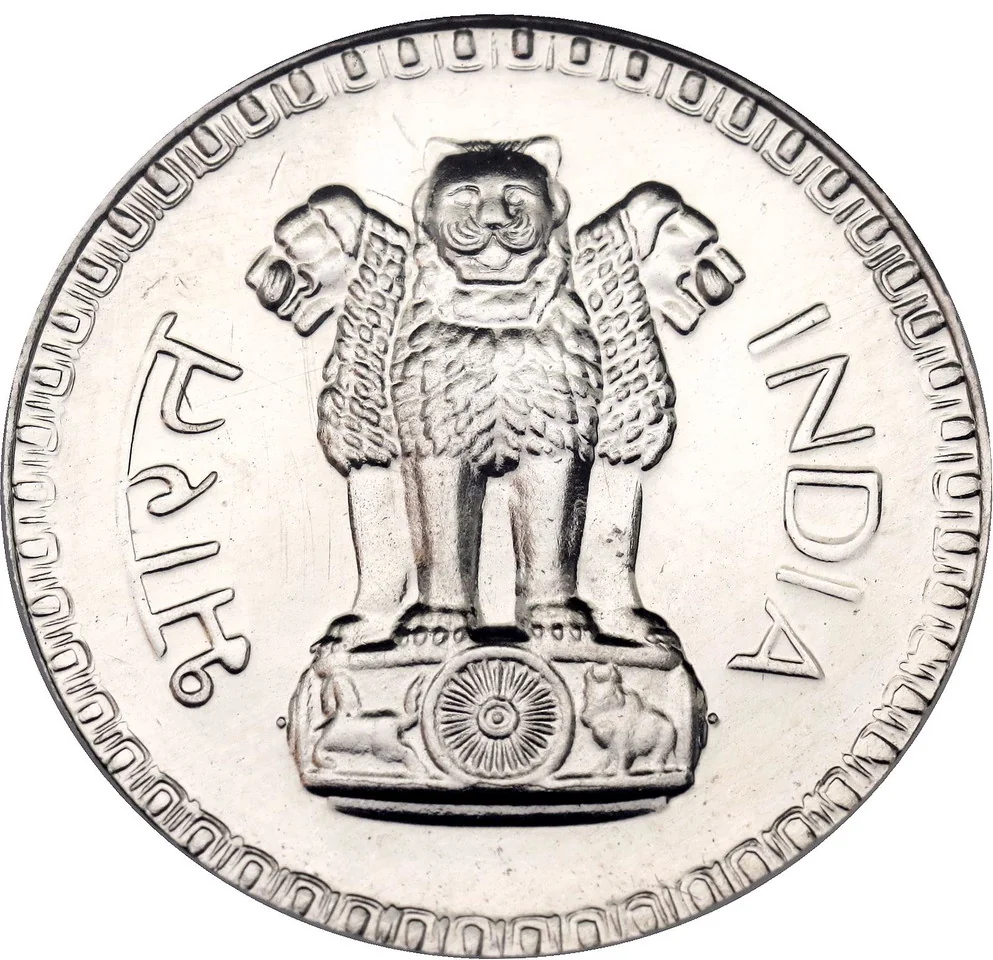
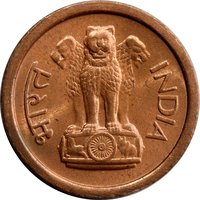
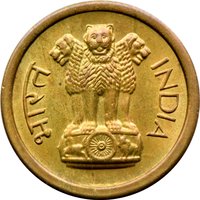
Ashoka's Lion Capital
Inscription:
भारत INDIA
Translation:
India
Scripts: Devanagari, Latin
Reverse
Description:
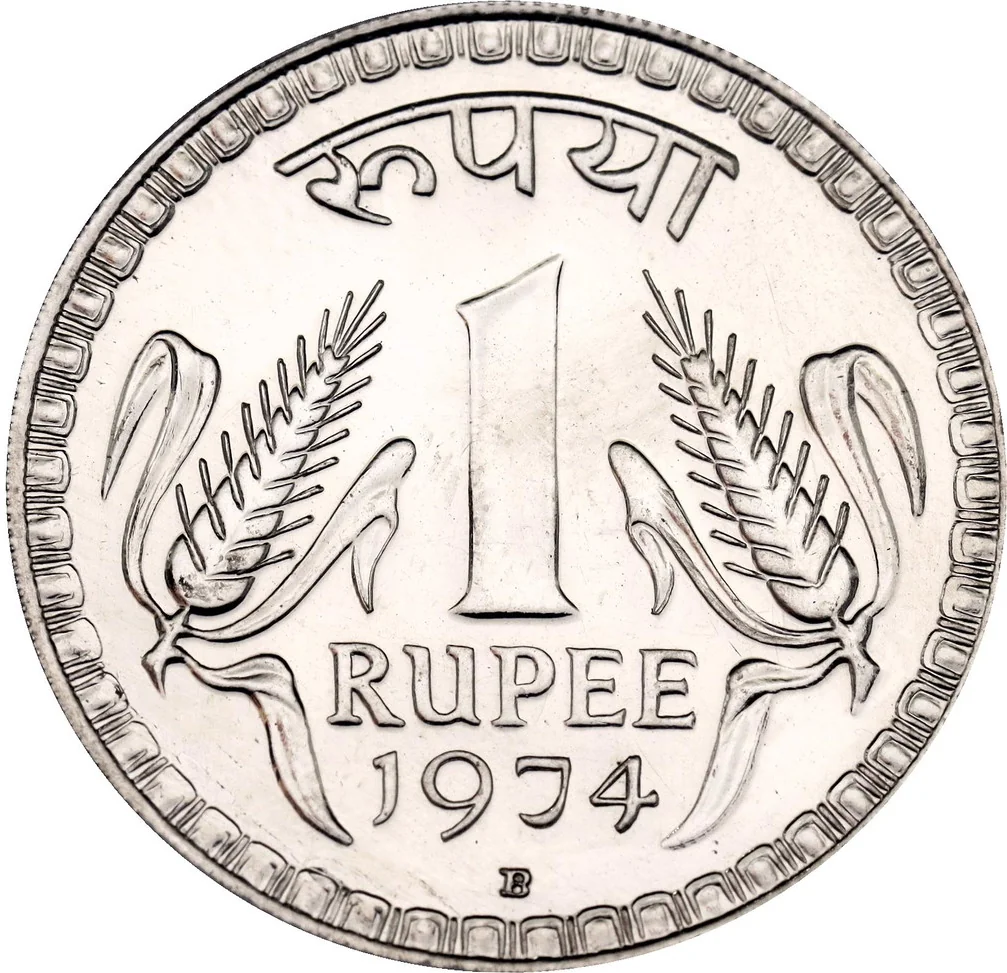
Denomination and date flanked by grain ears. Mintmarks: ♦ or B = Mumbai, none = Calcutta.
Inscription:
रुपया 1 RUPEE
1970
1970
Translation:
One Rupee 1 RUPEE
1970
1970
Script: Devanagari
Edge
Security
Mintings
| Year | Mint Mark | Mintage | Quality | Collection |
|---|---|---|---|---|
| 1962 | — | 3,689,000 | ||
| 1962 | ♦ | — | Proof | |
| 1970 | B | 3,046 | Proof | |
| 1970 | ♦ | — | ||
| 1971 | B | 4,375 | Proof | |
| 1972 | B | 7,895 | Proof | |
| 1973 | B | 7,567 | Proof | |
| 1974 | B | — | Proof |
Historical background
In 1962, India's currency situation was characterized by a stable but constrained monetary system operating under the fixed exchange rate regime of the Bretton Woods system. The Indian rupee was pegged to the British pound sterling at a rate of ₹13.33 to £1, which itself was fixed to the US dollar. This provided external stability and predictability for international trade, which was crucial for a developing nation heavily reliant on imports for capital goods and, at the time, facing food grain shortages. The Reserve Bank of India (RBI) managed this peg, holding foreign exchange reserves primarily in sterling, and maintained strict control over foreign exchange allocations due to persistent trade deficits.
Domestically, the economy was still transitioning from colonial structures, with a significant focus on the Second Five-Year Plan (1956-61) that emphasized heavy industry. This period saw moderate inflation, but the fiscal demands of planned development and defense (especially with the outbreak of the Sino-Indian War in October 1962) began to put pressure on government finances. Currency in circulation was growing, but the economy remained largely cash-based, with a limited banking reach in rural areas. The rupee's internal and external value was managed through a complex system of licenses, import controls, and RBI directives rather than market mechanisms.
The year proved to be a turning point, however, as the war with China created an immediate and severe economic shock. The conflict led to a surge in defense spending, contributing to a widening fiscal deficit and inflationary pressures. Crucially, it triggered a balance of payments crisis as imports rose and foreign confidence wavered, rapidly depleting India's foreign exchange reserves. This dire situation set the stage for the devaluation of the rupee in 1966, making 1962 the beginning of a period of growing external vulnerability that would challenge the post-independence monetary framework.
Domestically, the economy was still transitioning from colonial structures, with a significant focus on the Second Five-Year Plan (1956-61) that emphasized heavy industry. This period saw moderate inflation, but the fiscal demands of planned development and defense (especially with the outbreak of the Sino-Indian War in October 1962) began to put pressure on government finances. Currency in circulation was growing, but the economy remained largely cash-based, with a limited banking reach in rural areas. The rupee's internal and external value was managed through a complex system of licenses, import controls, and RBI directives rather than market mechanisms.
The year proved to be a turning point, however, as the war with China created an immediate and severe economic shock. The conflict led to a surge in defense spending, contributing to a widening fiscal deficit and inflationary pressures. Crucially, it triggered a balance of payments crisis as imports rose and foreign confidence wavered, rapidly depleting India's foreign exchange reserves. This dire situation set the stage for the devaluation of the rupee in 1966, making 1962 the beginning of a period of growing external vulnerability that would challenge the post-independence monetary framework.
🌱 Common