

½ cent – Straits Settlements
Add to wishlist
Malaysia
Context
Year: 1932
Country: Malaysia
Issuer: Straits Settlements
Ruler: George V
Currency:
(1845—1939)
Demonetized: Yes
Total mintage: 5,000,000
Material
Weight: 2.91 g
Thickness: 1.4 mm
Shape: Square with rounded corners
Composition: Bronze
Magnetic: No
Technique: Milled
Alignment: Medal alignment
flip
References
KM: #
Numista: #15225
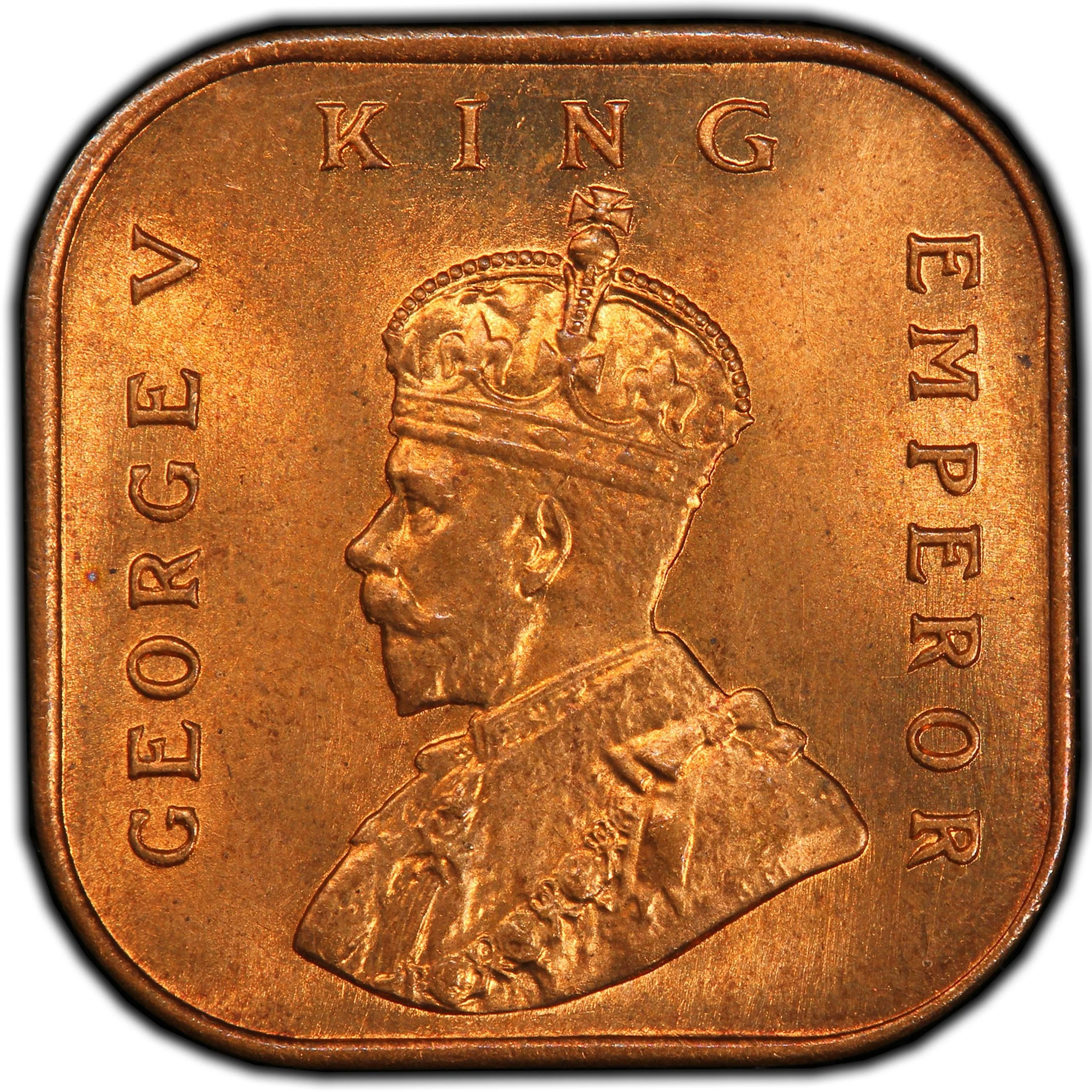
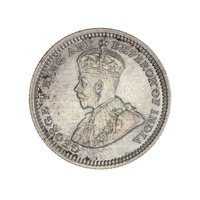
Obverse
Description:
Crowned left-facing bust.
Inscription:
GEORGE V KING EMPEROR
Translation:
GEORGE V KING EMPEROR
Script: Latin
Language: English
Engraver: Edgar Bertram MacKennal
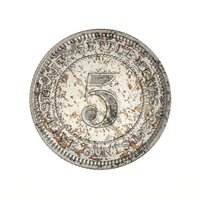
Reverse
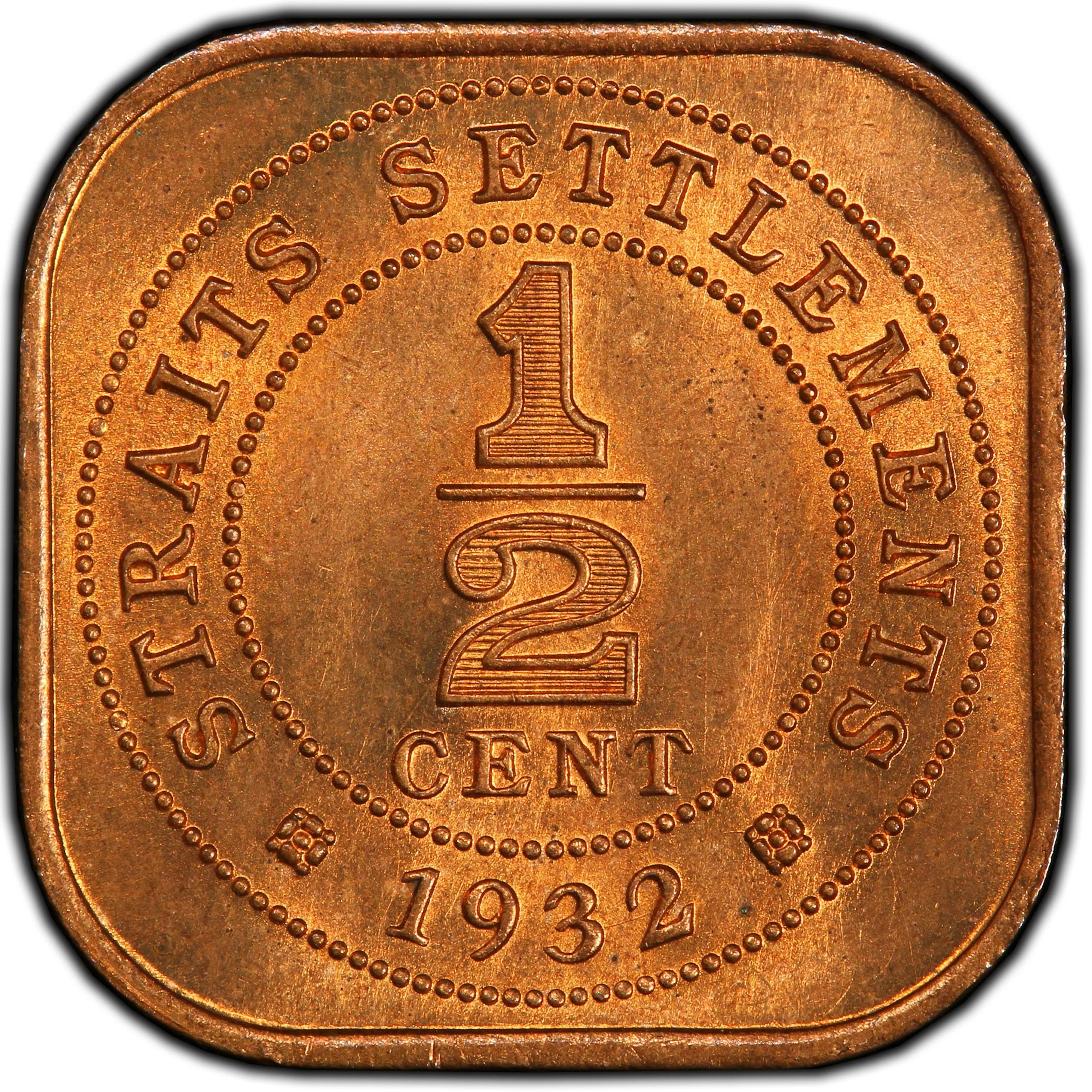
Description:
Denomination in circle, date below.
Inscription:
STRAITS SETTLEMENTS
½
CENT
1932
½
CENT
1932
Script: Latin
Edge
Plain
Mints
| Name | Mark |
|---|---|
| Royal Mint (Tower Hill) | — |
Mintings
| Year | Mint Mark | Mintage | Quality | Collection |
|---|---|---|---|---|
| 1932 | — | 5,000,000 | ||
| 1932 | — | — | Proof |
Historical background
In 1932, the Straits Settlements (comprising Singapore, Penang, and Malacca) operated under a unique and robust currency board system, known as the Straits Dollar. This system, managed by the Straits Settlements Currency Board in London, was a classic example of a colonial currency peg. The Straits Dollar was firmly anchored to sterling at a fixed rate of one shilling and four pence (or 2 shillings to the Straits Dollar), with full convertibility guaranteed. This link provided immense stability and facilitated trade, as the region's economy was deeply integrated with the British Empire and global commerce, particularly in rubber and tin.
The global Great Depression, however, placed significant strain on this arrangement. The dramatic fall in commodity prices severely reduced the Settlements' export earnings, leading to a contraction in the money supply and deflationary pressures. While the currency peg itself remained unbroken, the economic downturn exposed the system's limitations: it could not pursue independent monetary policy to stimulate the local economy. Interest rates and credit conditions were effectively dictated by the Bank of England's policies aimed at Britain's domestic crisis, which were not always suited to Malayan conditions.
Consequently, 1932 was a year of economic hardship within monetary stability. The government faced budget deficits, and there was public debate about the potential devaluation of the Straits Dollar to boost exports—a move strongly resisted by British banks and merchants with sterling obligations. The unwavering peg maintained international confidence and prevented capital flight, but it came at the cost of internal economic adjustment through falling wages and prices. This period underscored the Settlements' complete financial dependence on London, a defining characteristic that would persist until the system's reform in the post-World War II era.
The global Great Depression, however, placed significant strain on this arrangement. The dramatic fall in commodity prices severely reduced the Settlements' export earnings, leading to a contraction in the money supply and deflationary pressures. While the currency peg itself remained unbroken, the economic downturn exposed the system's limitations: it could not pursue independent monetary policy to stimulate the local economy. Interest rates and credit conditions were effectively dictated by the Bank of England's policies aimed at Britain's domestic crisis, which were not always suited to Malayan conditions.
Consequently, 1932 was a year of economic hardship within monetary stability. The government faced budget deficits, and there was public debate about the potential devaluation of the Straits Dollar to boost exports—a move strongly resisted by British banks and merchants with sterling obligations. The unwavering peg maintained international confidence and prevented capital flight, but it came at the cost of internal economic adjustment through falling wages and prices. This period underscored the Settlements' complete financial dependence on London, a defining characteristic that would persist until the system's reform in the post-World War II era.
🌱 Fairly Common