

1 gulden – Netherlands
Add to wishlist
Non-circulating coins
Commemoration: Farewell to the Guilder
Netherlands
Context
Year: 2001
Issuer: Netherlands
Ruler: Beatrix
Currency:
(1817—2001)
Demonetized: Yes
Total mintage: 25,500
Material
References
KM: #
Numista: #131635
Value
Exchange value: 1 NLG
Bullion value: $2053.98
Inflation-adjusted value: 1.72 NLG
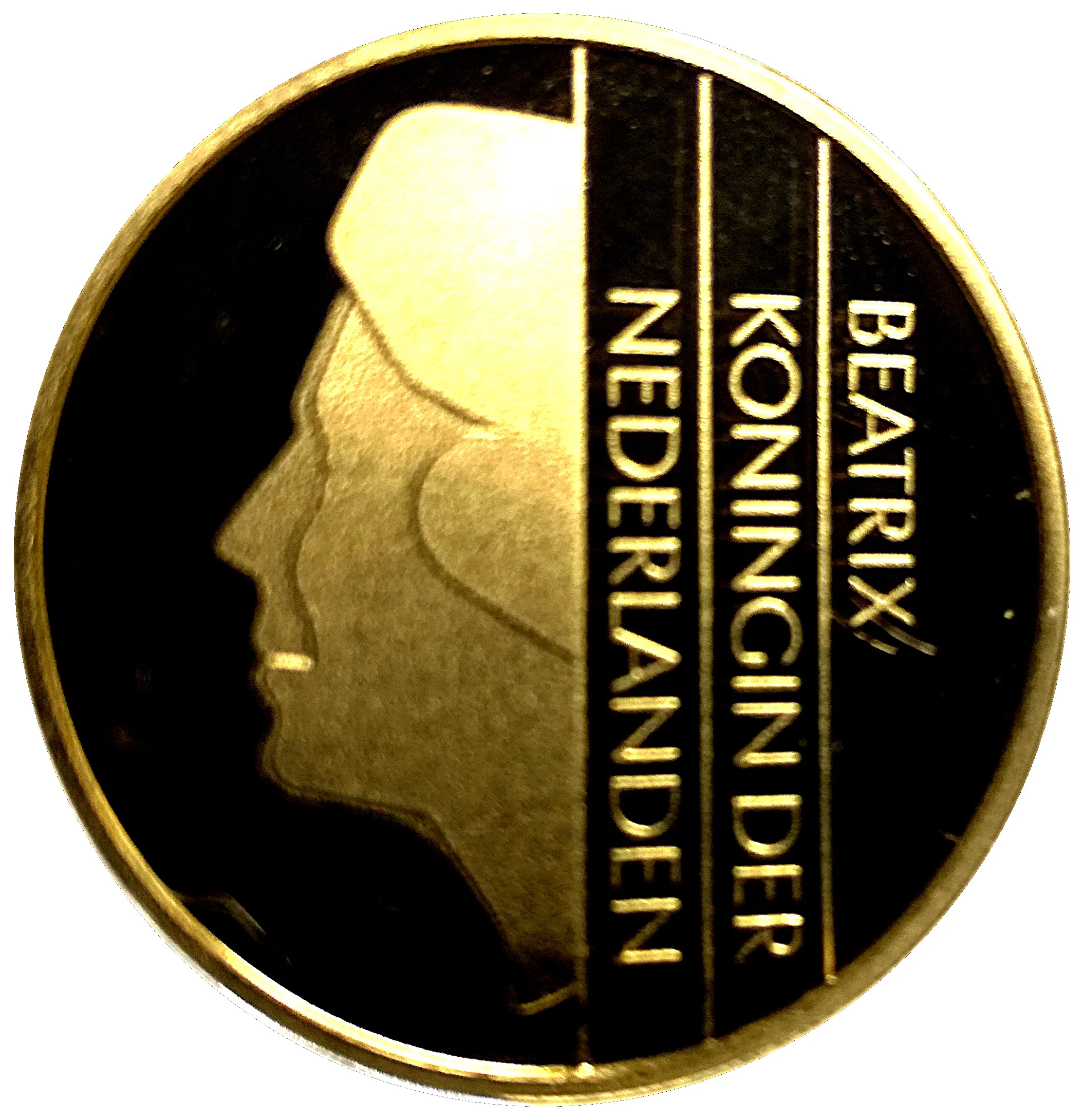
Obverse
Description:
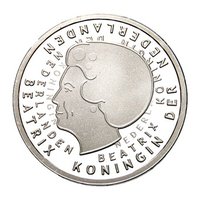
Left-profile portrait of Beatrix of the Netherlands, looking downward.
Inscription:
BEATRIX KONINGIN DER NEDERLANDEN
Translation:
Beatrix Queen of the Netherlands
Script: Latin
Language: Dutch
Engraver: Bruno Ninaber van Eyben
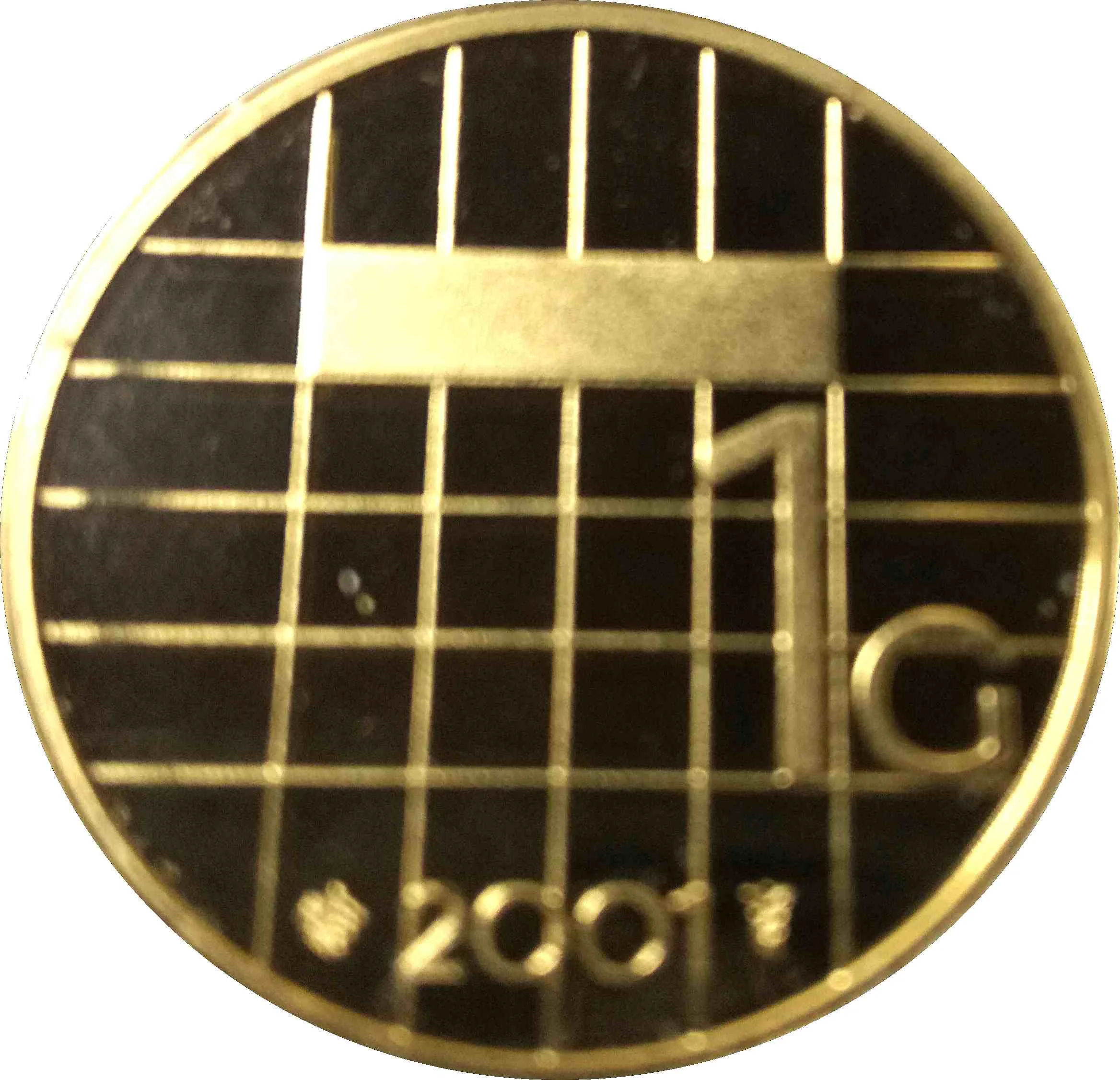
Reverse
Edge
Mints
| Name | Mark |
|---|---|
| Royal Dutch Mint | — |
Mintings
| Year | Mint Mark | Mintage | Quality | Collection |
|---|---|---|---|---|
| 2001 | — | 25,500 | Proof |
Historical background
In 2001, the Netherlands was a core participant in the final and crucial phase of the European single currency project. The country had been a founding member of the European Monetary System (EMS) in 1979 and had long maintained a strong and stable guilder, often shadowing the Deutsche Mark. This policy alignment with Germany made the transition to the euro a logical step. On 1 January 1999, the euro was introduced as an electronic currency for banking and financial transactions, with the Dutch guilder becoming a fixed subunit at an irrevocable exchange rate of €1 = NLG 2.20371.
The year 2001 was specifically significant as it marked the final year of the guilder's existence as physical legal tender. While euros existed electronically and in traveller's cheques, everyday transactions were still conducted in guilders. The public and businesses were engaged in a massive dual-currency awareness campaign, with prices often displayed in both units to foster familiarity. The central bank, De Nederlandsche Bank, was actively preparing for the logistical challenge of the upcoming cash changeover, scheduled for 1 January 2002, which would see the introduction of euro banknotes and coins and the simultaneous withdrawal of the guilder.
Economically, the fixed conversion rate was strictly maintained, and there was little market speculation against it, given the Netherlands's strong economic fundamentals and commitment to the project. Public sentiment was largely pragmatic, though nostalgic for the familiar guilder. The period was thus characterized by meticulous technical preparation, public education, and a quiet farewell to a national symbol, all underpinned by a stable monetary environment in the final countdown to the physical arrival of the euro.
The year 2001 was specifically significant as it marked the final year of the guilder's existence as physical legal tender. While euros existed electronically and in traveller's cheques, everyday transactions were still conducted in guilders. The public and businesses were engaged in a massive dual-currency awareness campaign, with prices often displayed in both units to foster familiarity. The central bank, De Nederlandsche Bank, was actively preparing for the logistical challenge of the upcoming cash changeover, scheduled for 1 January 2002, which would see the introduction of euro banknotes and coins and the simultaneous withdrawal of the guilder.
Economically, the fixed conversion rate was strictly maintained, and there was little market speculation against it, given the Netherlands's strong economic fundamentals and commitment to the project. Public sentiment was largely pragmatic, though nostalgic for the familiar guilder. The period was thus characterized by meticulous technical preparation, public education, and a quiet farewell to a national symbol, all underpinned by a stable monetary environment in the final countdown to the physical arrival of the euro.
💎 Very Rare