

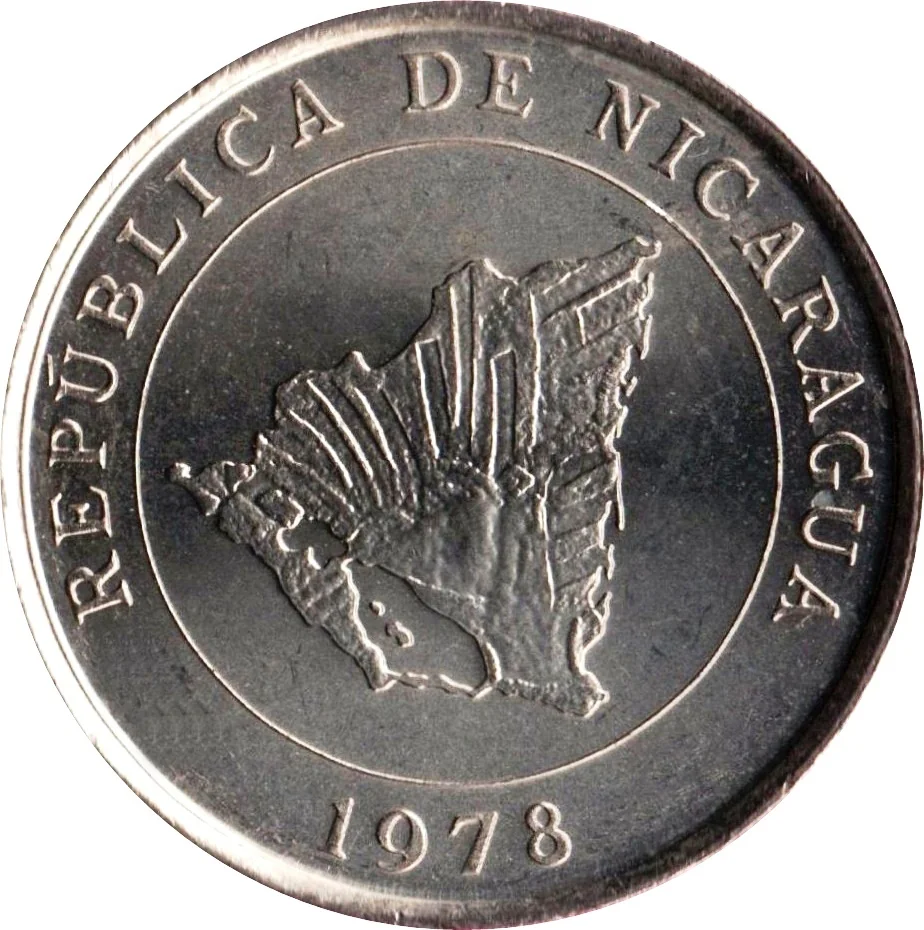
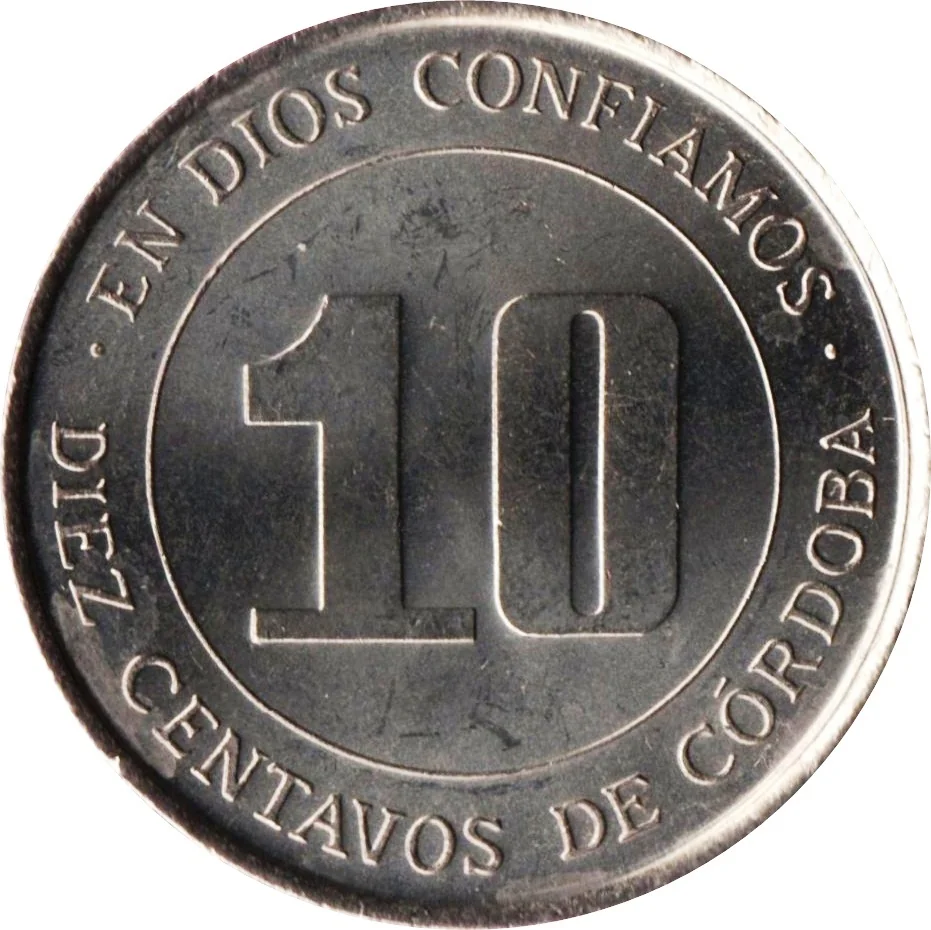
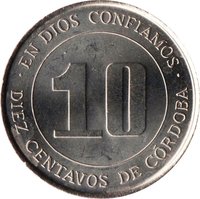
10 Centavos de Córdoba – Nicaragua
Nicaragua
Context
Year: 1978
Issuer: Nicaragua 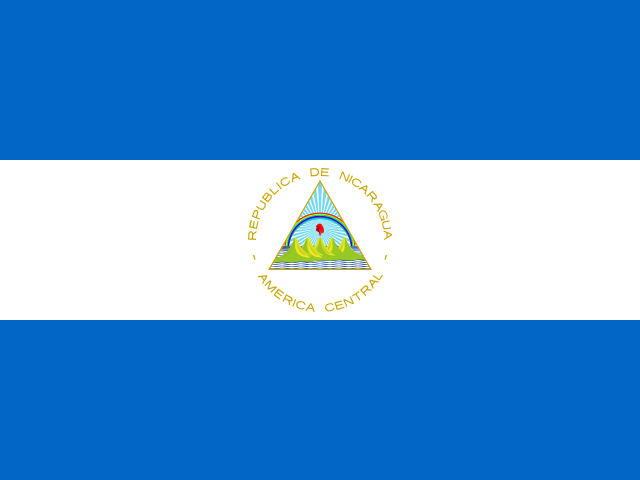
Issuing organization: Central Bank of Nicaragua
Period:
(since 1854)
Currency:
(1912—1987)
Demonetization: 15 February 1988
Total mintage: 20,000,000
Material
References
KM: #Click to copy to clipboard31
Numista: #10147
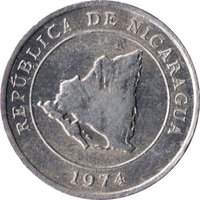
Obverse
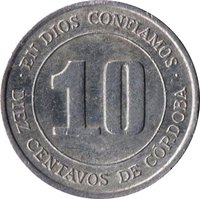
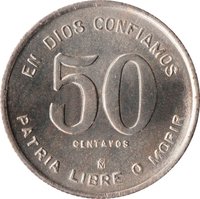
Reverse
Edge
Reeded
Categories
| Map |
Mints
| Name | Mark |
|---|---|
| Royal Canadian Mint of Winnipeg | — |
Mintings
| Year | Mint Mark | Mintage | Quality | Collection |
|---|---|---|---|---|
| 1978 | — | 20,000,000 |
Historical background
In 1978, Nicaragua's currency, the córdoba, was under severe strain due to the escalating political and economic crisis of the final years of the Somoza dictatorship. The economy, heavily damaged by the devastating 1972 Managua earthquake and rampant corruption, was further crippled by capital flight, declining agricultural production, and the economic disruptions of the growing Sandinista insurgency. Government spending, particularly on military suppression, far exceeded revenues, leading to significant budget deficits that were increasingly financed by the central bank, a process known as monetizing the debt.
This monetary expansion directly fueled hyperinflation, which began its destructive ascent in 1978. The value of the córdoba plummeted, and the official exchange rate, fixed by the government, became increasingly divorced from reality. A thriving black market for U.S. dollars emerged, where the córdoba traded at a fraction of its official value. This disparity created a two-tiered economy, punishing those without access to foreign currency and eroding savings, wages, and purchasing power for the general population, deepening social unrest.
The currency instability was both a symptom and a catalyst of the collapsing state. The regime's loss of control over the monetary system mirrored its loss of political legitimacy and territorial control. By eroding the economic foundations of daily life, the hyperinflation and currency crisis alienated the business class and intensified popular discontent, contributing directly to the revolutionary momentum that would culminate in the Sandinista victory in July 1979.
This monetary expansion directly fueled hyperinflation, which began its destructive ascent in 1978. The value of the córdoba plummeted, and the official exchange rate, fixed by the government, became increasingly divorced from reality. A thriving black market for U.S. dollars emerged, where the córdoba traded at a fraction of its official value. This disparity created a two-tiered economy, punishing those without access to foreign currency and eroding savings, wages, and purchasing power for the general population, deepening social unrest.
The currency instability was both a symptom and a catalyst of the collapsing state. The regime's loss of control over the monetary system mirrored its loss of political legitimacy and territorial control. By eroding the economic foundations of daily life, the hyperinflation and currency crisis alienated the business class and intensified popular discontent, contributing directly to the revolutionary momentum that would culminate in the Sandinista victory in July 1979.
🌱 Common