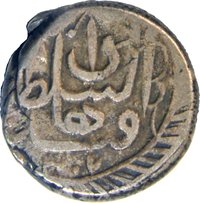
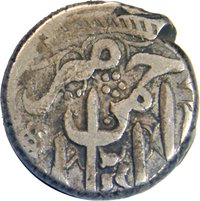
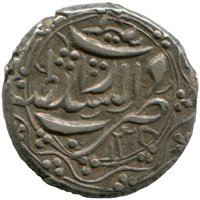
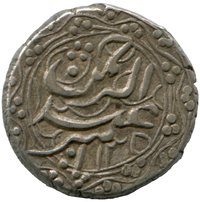
In 1884, the currency situation in the Emirate of Afghanistan under Emir Abdur Rahman Khan was characterized by deliberate centralization and modernization, albeit within a context of limited resources and competing monetary influences. The Emir, having recently consolidated his rule, recognized that a unified currency system was essential for strengthening state authority, facilitating trade, and reducing dependence on foreign coinage. His reign marked a decisive shift away from the previous era where various regional mints produced coins of inconsistent weight and purity, and where Indian, Persian, and Russian currencies circulated freely, undermining the state's economic sovereignty.
The cornerstone of this reform was the establishment of the
Kabul Mint as the sole official minting authority, systematically closing down provincial mints in cities like Kandahar and Herat. The primary silver coin became the
Afghani rupee (also called the Kabuli rupee), which was pegged to and modeled on the British Indian rupee, the dominant trade currency in the region. This pragmatic move aimed to stabilize exchange rates and streamline cross-border commerce with British India, Afghanistan's most significant trading partner. However, the monetary system remained bimetallic, with gold
mohurs and copper
paisa also in circulation, though silver was paramount.
Despite these centralizing efforts, significant challenges persisted. Counterfeiting was a chronic problem, and the scarcity of precious metals, particularly silver, often led to fluctuations in coin production and quality. Furthermore, the older, disparate coins and foreign currencies remained in circulation, especially in remote areas, creating a complex multi-currency environment. Thus, while 1884 represents a period of active state-driven standardization under Abdur Rahman Khan, the Emirate's currency system was still in transition, caught between the old era of monetary fragmentation and the incomplete implementation of a unified national currency.