

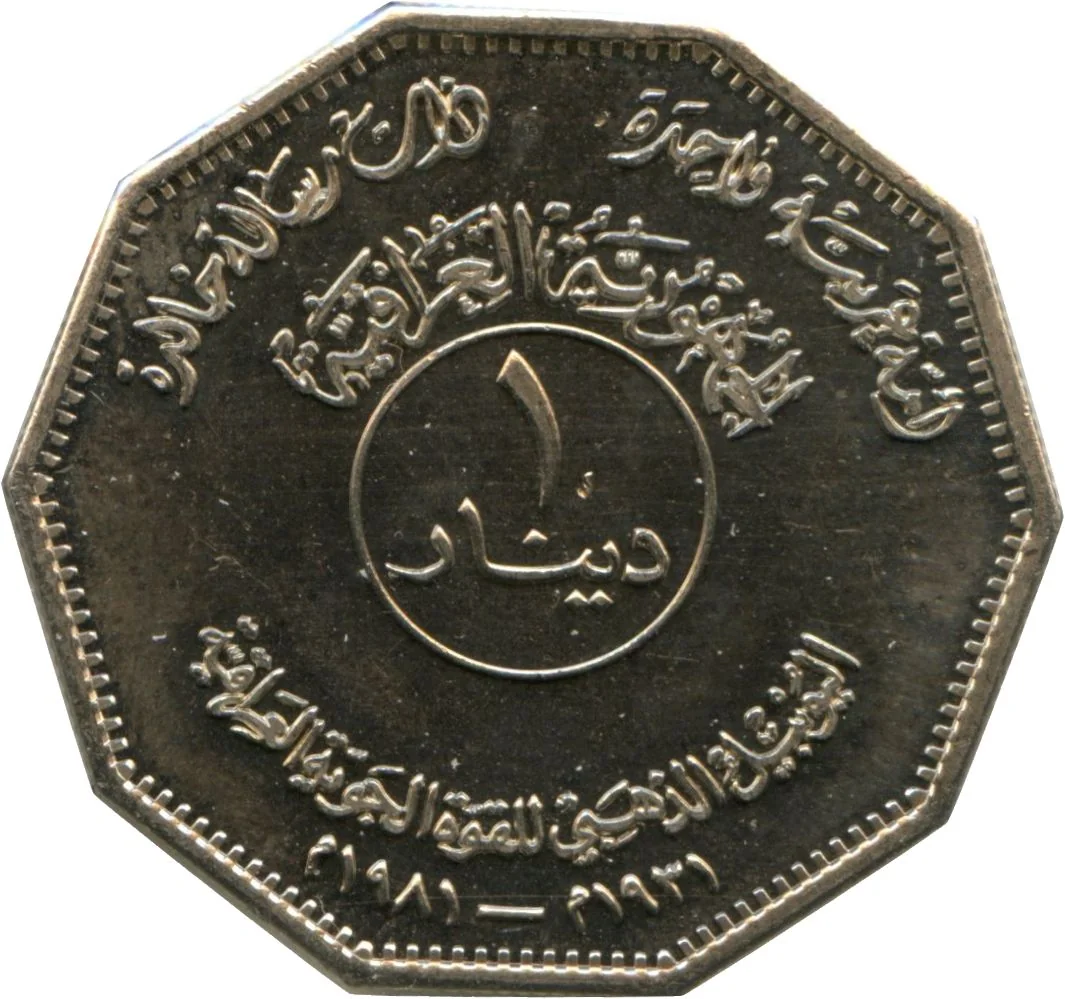
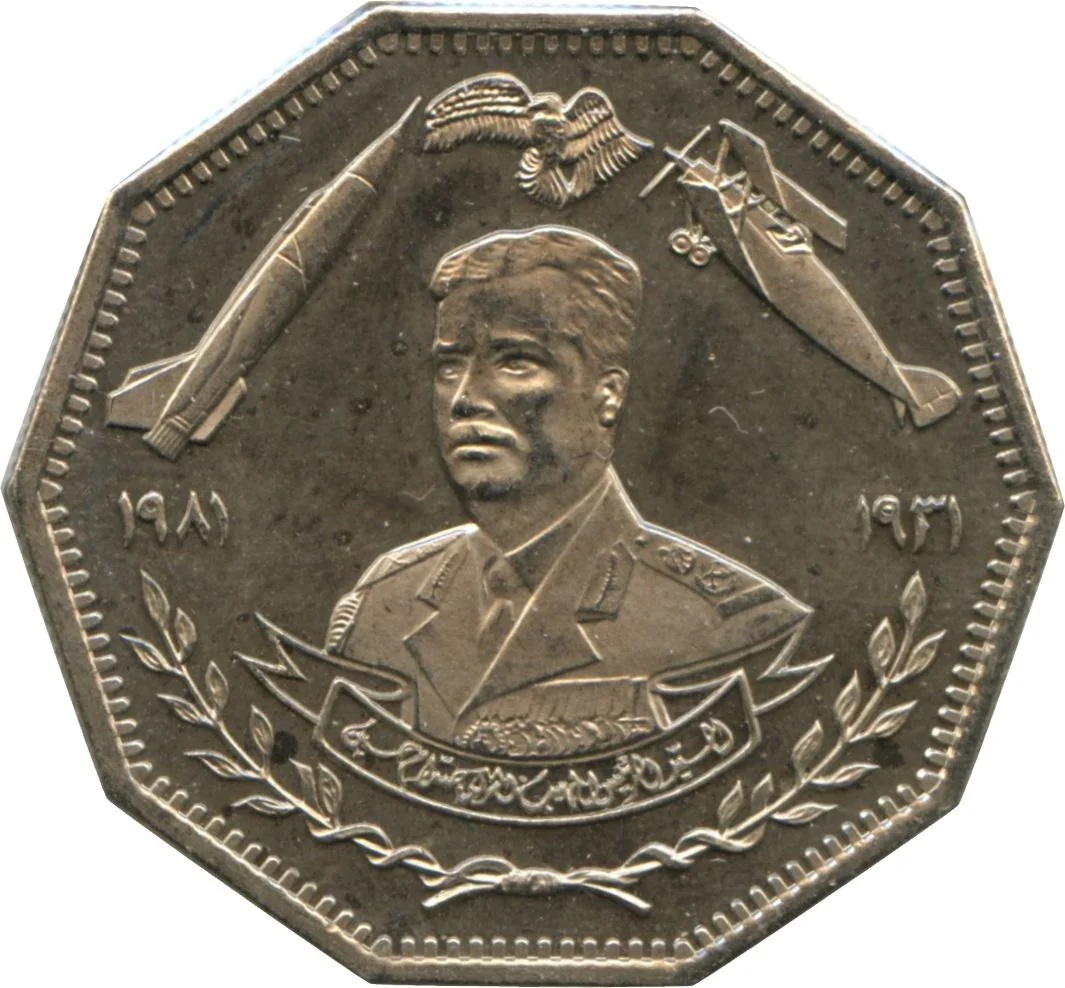
1 dinar (Iraqi Airforce) – Iraq
Add to wishlist
Non-circulating coins
Commemoration: 50th Anniversary of the Iraqi Airforce
Iraq
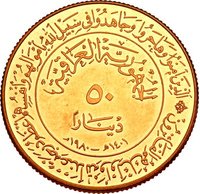
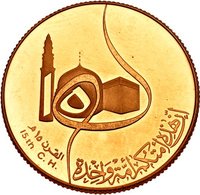
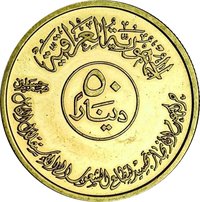
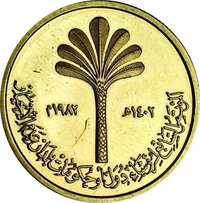
Obverse
Reverse
Edge
Milled
Mints
| Name | Mark |
|---|---|
| Royal Mint | — |
Mintings
| Year | Mint Mark | Mintage | Quality | Collection |
|---|---|---|---|---|
| 1981 | — | — |
Historical background
In 1981, Iraq's currency, the Iraqi dinar (IQD), was in a period of relative strength and stability, but this was an artificial condition underpinned by the early stages of the Iran-Iraq War and significant oil revenues. The dinar, pegged to a basket of currencies but effectively tied to the strong U.S. dollar, was officially valued at a high rate of approximately $3.20. This exchange rate was maintained by the authoritarian Ba'athist regime of Saddam Hussein as a point of national prestige and a tool for controlling imports, particularly of military and dual-use goods essential for the war effort that had begun in September 1980.
Economically, this stability was financed almost entirely by the country's vast oil wealth. Despite the outbreak of war, Iraq's oil production and export infrastructure in the south remained largely intact in 1981, allowing continued revenue flows. The government used these petrodollars to fund massive military expenditures while simultaneously subsidizing basic goods and maintaining the strong dinar to prevent domestic inflation and social unrest. However, this facade masked a growing strain, as the war began to divert resources from productive sectors of the economy toward the military, marking the start of a long-term economic distortion.
Consequently, the currency situation in 1981 represented the calm before a prolonged storm. The official exchange rate was available only through government channels for approved transactions, creating a disconnect from economic realities. While the dinar was strong on paper, the war was initiating a cycle of massive foreign borrowing (largely from Gulf Arab states) and the gradual depletion of financial reserves. The conditions were being set for the severe devaluations and economic collapse that would follow in the later years of the devastating eight-year conflict.
Economically, this stability was financed almost entirely by the country's vast oil wealth. Despite the outbreak of war, Iraq's oil production and export infrastructure in the south remained largely intact in 1981, allowing continued revenue flows. The government used these petrodollars to fund massive military expenditures while simultaneously subsidizing basic goods and maintaining the strong dinar to prevent domestic inflation and social unrest. However, this facade masked a growing strain, as the war began to divert resources from productive sectors of the economy toward the military, marking the start of a long-term economic distortion.
Consequently, the currency situation in 1981 represented the calm before a prolonged storm. The official exchange rate was available only through government channels for approved transactions, creating a disconnect from economic realities. While the dinar was strong on paper, the war was initiating a cycle of massive foreign borrowing (largely from Gulf Arab states) and the gradual depletion of financial reserves. The conditions were being set for the severe devaluations and economic collapse that would follow in the later years of the devastating eight-year conflict.
⭐ Somewhat Rare