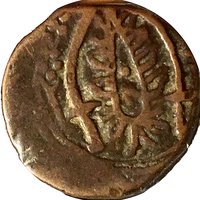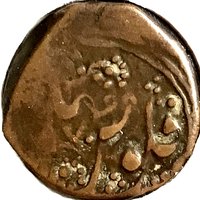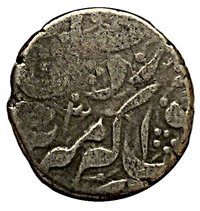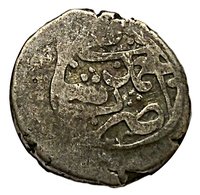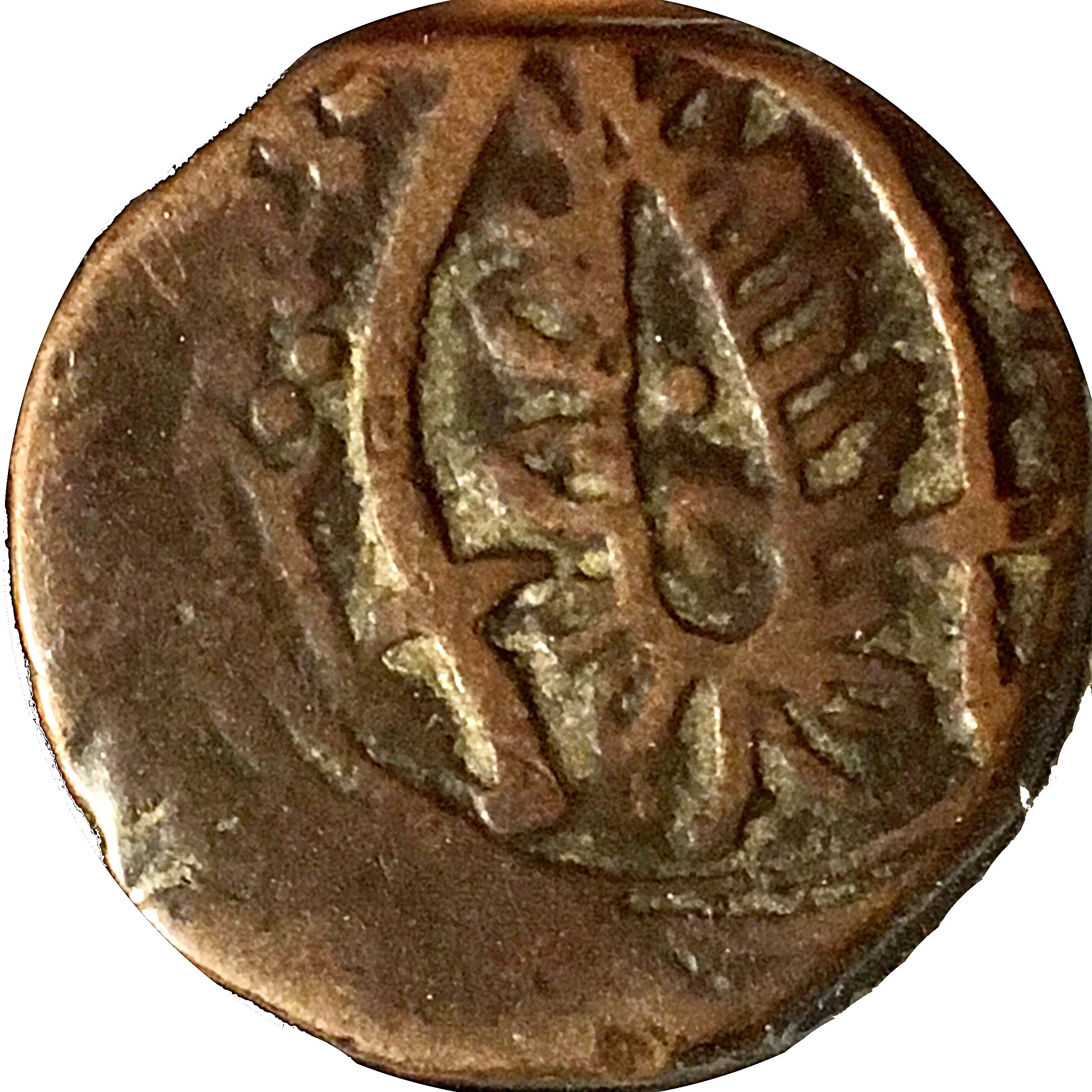
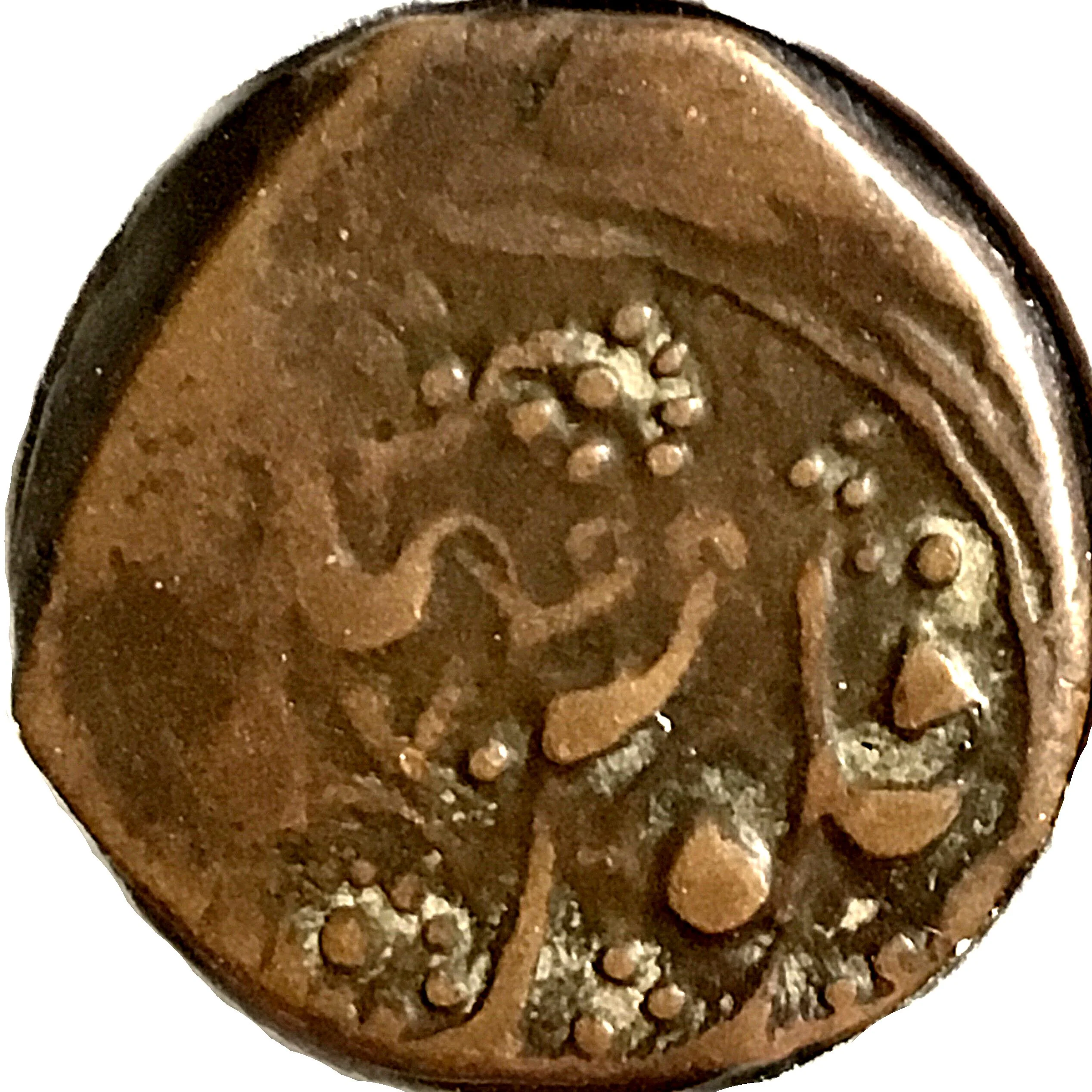
In 1858, the Emirate of Afghanistan, under the rule of Dost Mohammad Khan (who had recently retaken power after the Second Anglo-Afghan War), possessed a fragmented and complex monetary system. The country lacked a unified, national currency. Instead, circulation was dominated by a mix of foreign and historic coins, reflecting its position at the crossroads of regional empires. The most prominent were silver rupees from British India, particularly the Company Rupee, which flowed in through trade and the aftermath of recent conflicts. These competed with older Persian and Central Asian coins, such as the Bukharan
tenga and remnants of Afghan Sikh coinage from earlier rulers.
The state's own minting activity was limited and localized. Coins were struck in major cities like Kabul, Kandahar, and Herat, but these issues were often irregular in weight and purity, leading to confusion in trade. The primary silver unit was the Kabuli rupee, but its value relative to the more stable British Indian rupee fluctuated. This period was one of monetary transition, as Dost Mohammad Khan sought to consolidate his authority and centralize the state's functions, including its fiscal system. However, in 1858, this process was still in its early stages, with no standardized currency yet imposed across the realm.
Consequently, the bazaars of Afghanistan operated on a system of manual assaying and negotiation. Money changers (
sarraf) were essential figures, determining the intrinsic silver content and wear of each coin before accepting it. This heterogeneity was a direct reflection of the emirate's political reality: a decentralized state rebuilding after civil strife and foreign intervention, with regional khans holding significant autonomy and economic networks still deeply intertwined with those of its British and Russian imperial neighbors.