

3 pence – Fiji
Add to wishlist
Fiji
Context
Material
Diameter: 21.19 mm
Weight: 6.16 g
Thickness: 2.4 mm
Shape: Dodecagonal
Magnetic: No
Technique: Milled
Alignment: Medal alignment
flip
References
KM: #
Numista: #12570
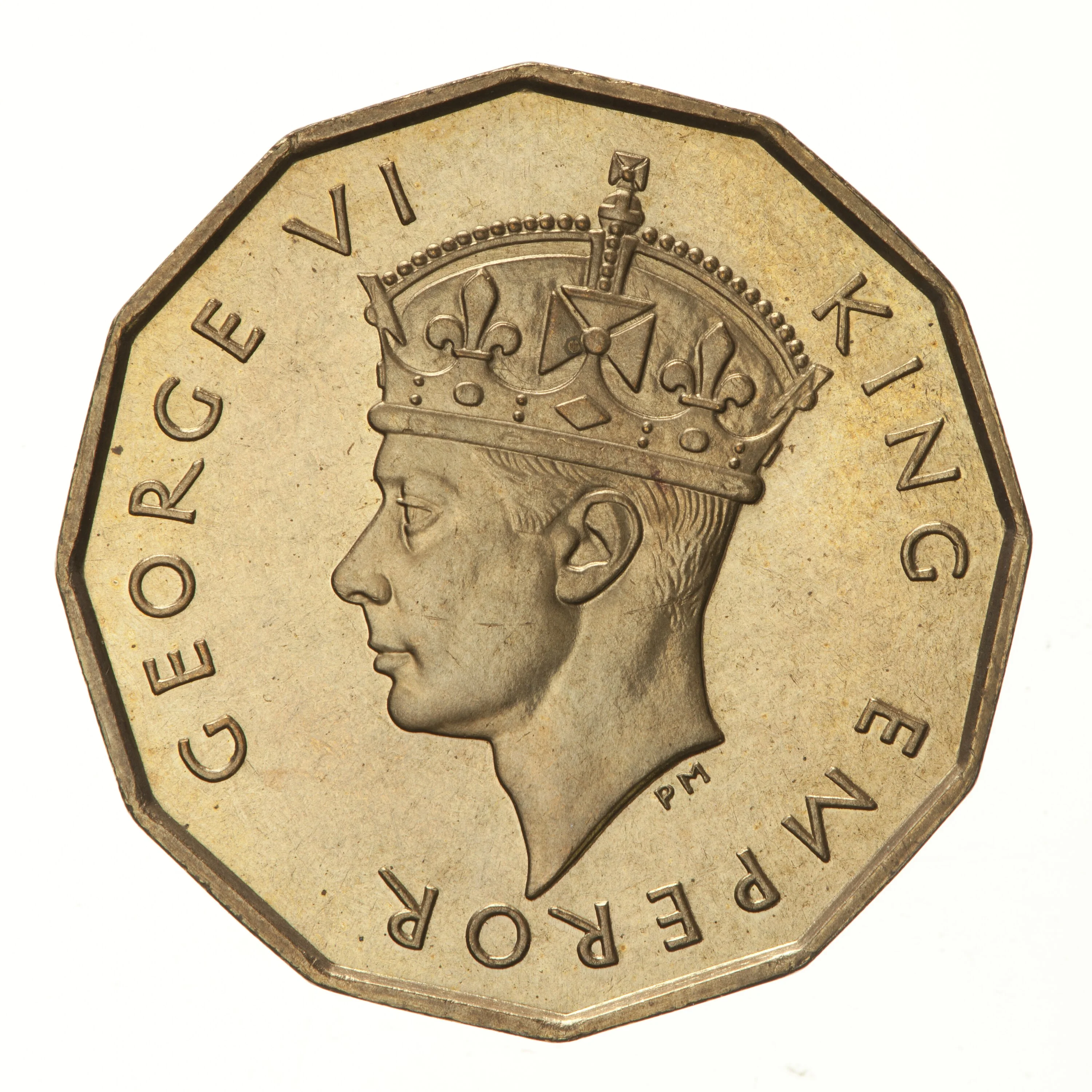
Obverse
Description:
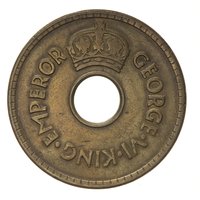
King facing left
Inscription:
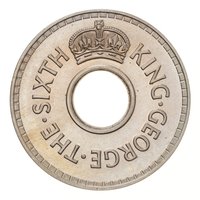
GEORGE VI KING EMPEROR
Translation:
GEORGE VI KING EMPEROR
Script: Latin
Language: English
Engraver: Percy Metcalfe
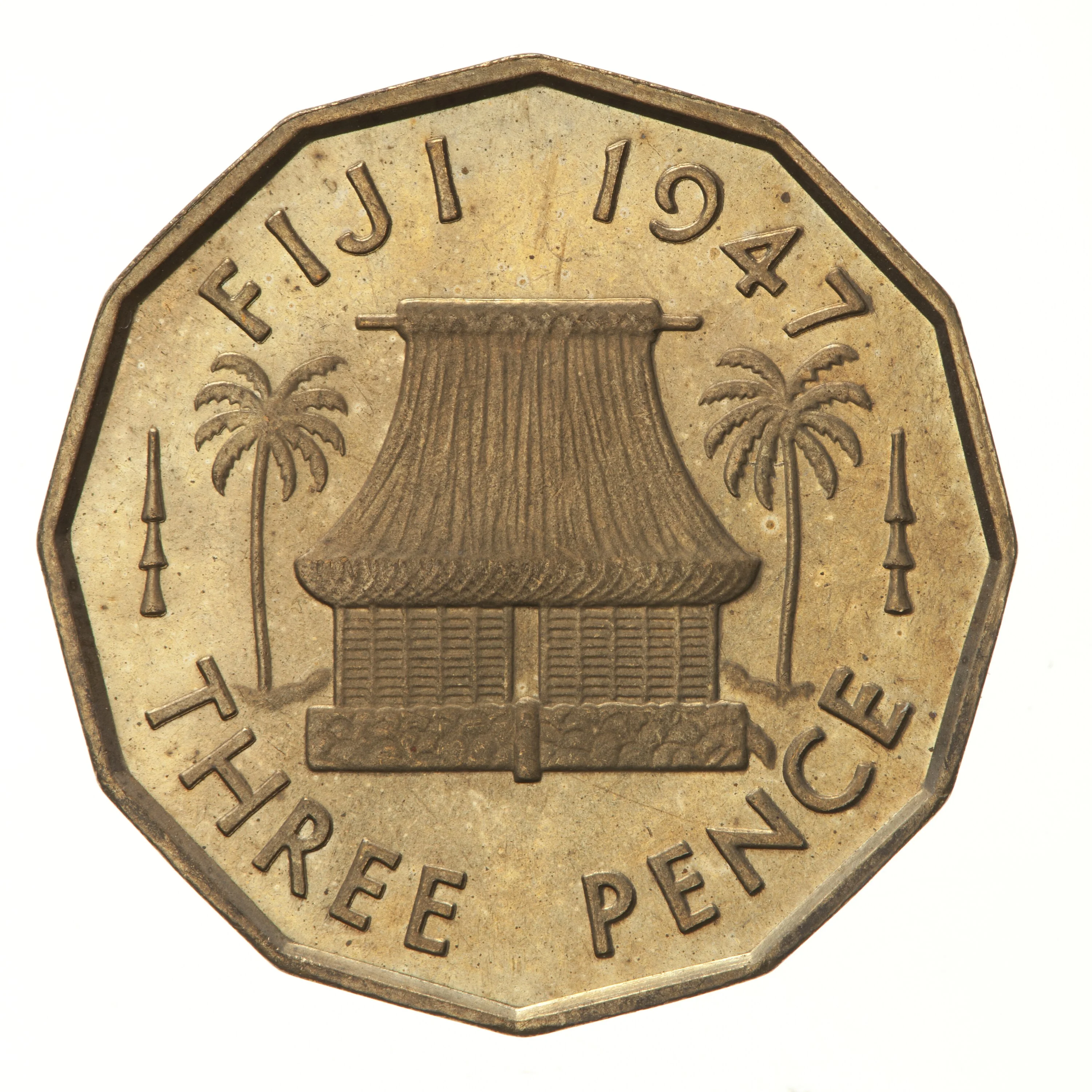
Reverse
Description:
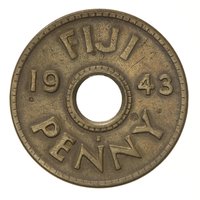
Native home. Date above, name below.
Inscription:
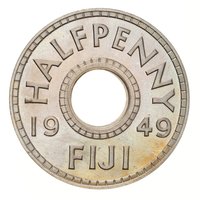
FIJI 1947
THREE PENCE
THREE PENCE
Script: Latin
Engraver: George James Berry
Edge
Plain
Mints
| Name | Mark |
|---|---|
| Royal Mint (Tower Hill) | — |
Mintings
| Year | Mint Mark | Mintage | Quality | Collection |
|---|---|---|---|---|
| 1947 | — | 450,000 | ||
| 1947 | — | — | Proof |
Historical background
In 1947, Fiji's currency situation was firmly under the control of the British colonial administration, operating within the framework of the sterling area. The official currency was the Fijian pound (FJ£), which was pegged at par with the British pound sterling (GB£). This meant that Fijian banknotes and coins were locally issued, but their value was directly and rigidly linked to the UK's currency. The colony did not have an independent central bank; instead, currency issuance was managed by the Fiji Board of Currency, which ensured full sterling backing for the local currency in circulation, maintaining strict exchange controls consistent with sterling area policies.
The post-World War II period presented significant economic challenges that shaped Fiji's monetary context. Like many sterling area members, Fiji faced a dollar shortage and was subject to strict exchange controls to conserve hard currency reserves for the rebuilding of Britain. This system prioritized transactions within the sterling bloc and restricted the convertibility of Fijian pounds into other currencies like US dollars. Economically, Fiji was heavily dependent on sugar exports, with the industry dominated by the Colonial Sugar Refining Company, and copra. This commodity-dependent economy meant its currency stability was closely tied to export earnings and the broader financial health of the United Kingdom.
This arrangement provided stability and facilitated trade with the Commonwealth, but it also meant Fiji had no autonomous monetary policy. All critical decisions regarding currency valuation, money supply, and foreign exchange reserves were ultimately directed from London to serve the wider interests of the sterling area. Consequently, the currency situation in 1947 reflected Fiji's status as a colonial dependency, with its monetary system designed for administrative convenience and imperial economic cohesion rather than sovereign economic management. This framework would remain largely unchanged until the decimalization of the currency and the introduction of the Fijian dollar in 1969, several years before independence.
The post-World War II period presented significant economic challenges that shaped Fiji's monetary context. Like many sterling area members, Fiji faced a dollar shortage and was subject to strict exchange controls to conserve hard currency reserves for the rebuilding of Britain. This system prioritized transactions within the sterling bloc and restricted the convertibility of Fijian pounds into other currencies like US dollars. Economically, Fiji was heavily dependent on sugar exports, with the industry dominated by the Colonial Sugar Refining Company, and copra. This commodity-dependent economy meant its currency stability was closely tied to export earnings and the broader financial health of the United Kingdom.
This arrangement provided stability and facilitated trade with the Commonwealth, but it also meant Fiji had no autonomous monetary policy. All critical decisions regarding currency valuation, money supply, and foreign exchange reserves were ultimately directed from London to serve the wider interests of the sterling area. Consequently, the currency situation in 1947 reflected Fiji's status as a colonial dependency, with its monetary system designed for administrative convenience and imperial economic cohesion rather than sovereign economic management. This framework would remain largely unchanged until the decimalization of the currency and the introduction of the Fijian dollar in 1969, several years before independence.
🌱 Fairly Common