

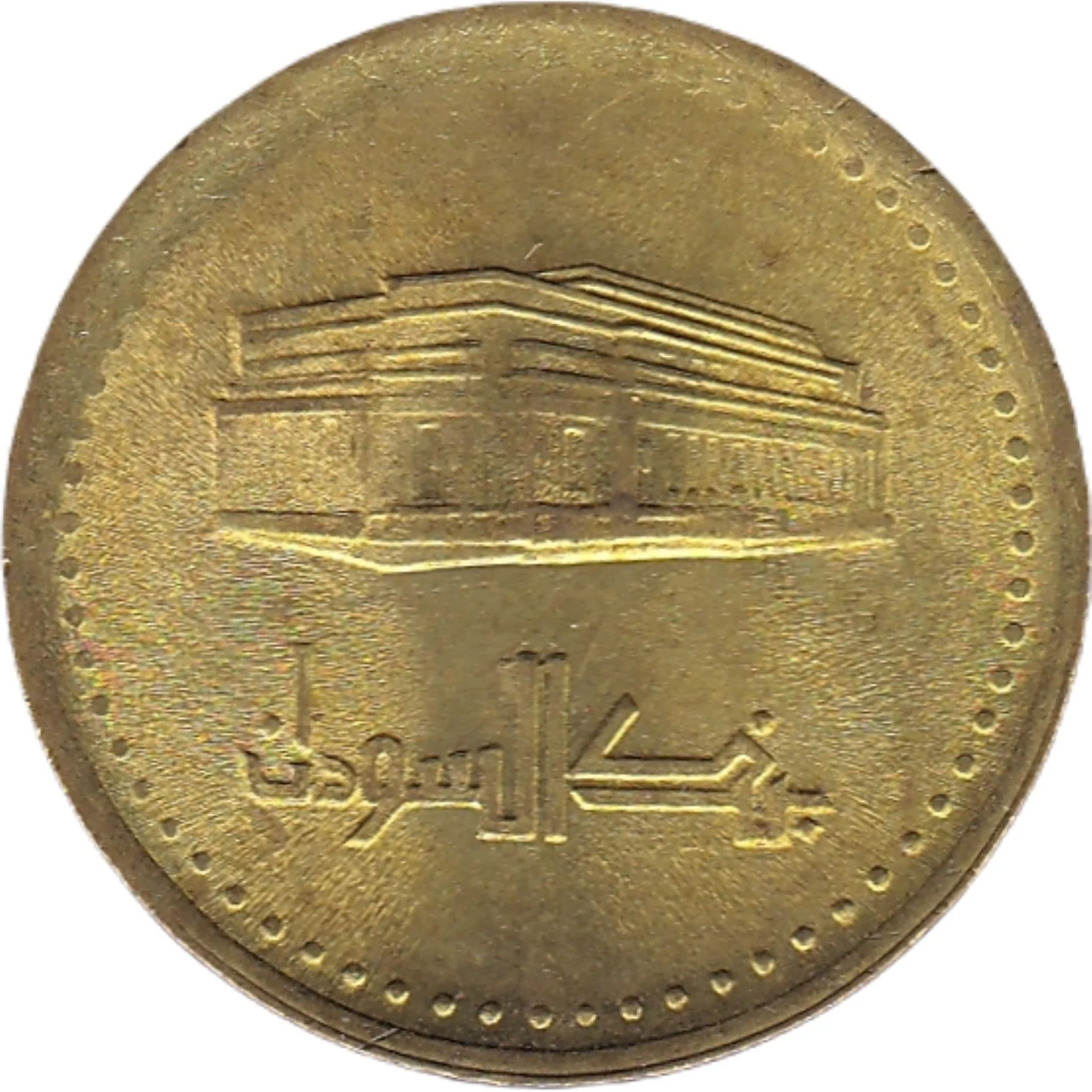
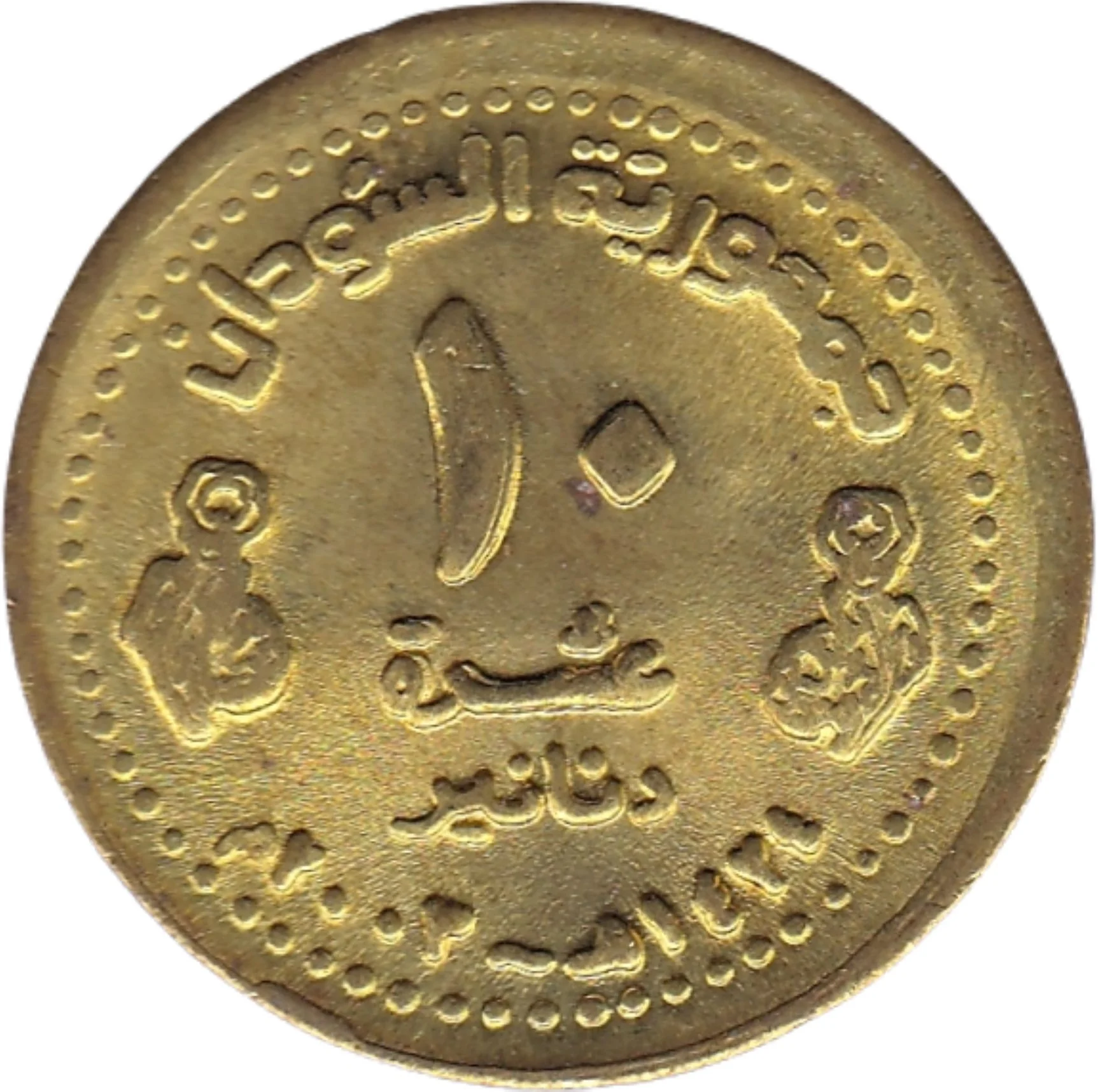
10 dinars – Sudan
Add to wishlist
Sudan
Context
Year: 2003
Islamic (Hijri) Year:: 1424
Issuer: Sudan
Period:
(1956—1969)
Currency:
(1992—2007)
Demonetization: 1 July 2007
Material
References
KM: #
Numista: #12565
Value
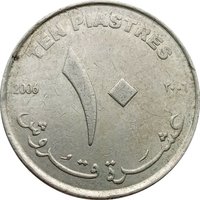
Exchange value: 10 SDD
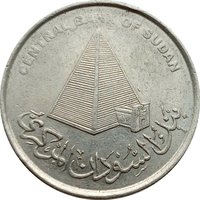
Obverse
Reverse
Edge
Plain
Categories
| Building |
Mintings
| Year | Mint Mark | Mintage | Quality | Collection |
|---|---|---|---|---|
| 2003 | — | — | BU |
Historical background
In 2003, Sudan's currency situation was characterized by severe instability and a stark dual-system, a direct consequence of the country's protracted civil war and economic mismanagement. The official economy operated with the Sudanese Dinar (SDD), which had replaced the Sudanese Pound (SDP) in 1992 at a rate of 1:10. However, this currency was subject to high inflation, limited convertibility, and a vast disparity with the black-market rate. The government's extensive printing of money to finance deficits, combined with international isolation and sanctions, eroded confidence and purchasing power.
Crucially, a parallel economic and currency reality existed in Southern Sudan. The region, embroiled in conflict with the Khartoum government, functionally used the US Dollar and the Kenyan Shilling for major transactions. Furthermore, the old Sudanese Pound notes (SDP) remained in widespread circulation as a de facto common currency in the south, despite being officially demonetized in the north. This created a complex monetary landscape where multiple forms of cash coexisted, with exchange rates fluctuating based on politics and security conditions rather than formal economic policy.
The currency chaos of 2003 was both a symptom and a cause of deeper crises. It hampered trade, discouraged investment, and inflicted hardship on the population through rampant inflation. This financial fragmentation mirrored the country's political divide, underscoring how the war had effectively split Sudan into two separate economic zones. The situation would only begin to resolve after the 2005 Comprehensive Peace Agreement (CPA), which laid the groundwork for the eventual creation of two independent central banks and currencies following South Sudan's secession in 2011.
Crucially, a parallel economic and currency reality existed in Southern Sudan. The region, embroiled in conflict with the Khartoum government, functionally used the US Dollar and the Kenyan Shilling for major transactions. Furthermore, the old Sudanese Pound notes (SDP) remained in widespread circulation as a de facto common currency in the south, despite being officially demonetized in the north. This created a complex monetary landscape where multiple forms of cash coexisted, with exchange rates fluctuating based on politics and security conditions rather than formal economic policy.
The currency chaos of 2003 was both a symptom and a cause of deeper crises. It hampered trade, discouraged investment, and inflicted hardship on the population through rampant inflation. This financial fragmentation mirrored the country's political divide, underscoring how the war had effectively split Sudan into two separate economic zones. The situation would only begin to resolve after the 2005 Comprehensive Peace Agreement (CPA), which laid the groundwork for the eventual creation of two independent central banks and currencies following South Sudan's secession in 2011.
🌱 Fairly Common