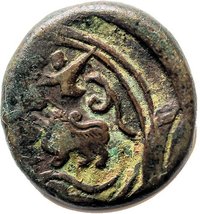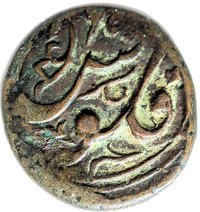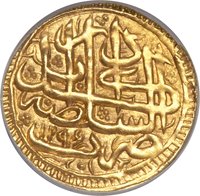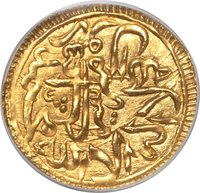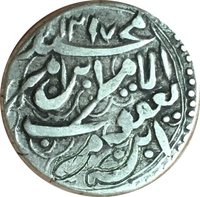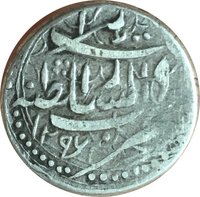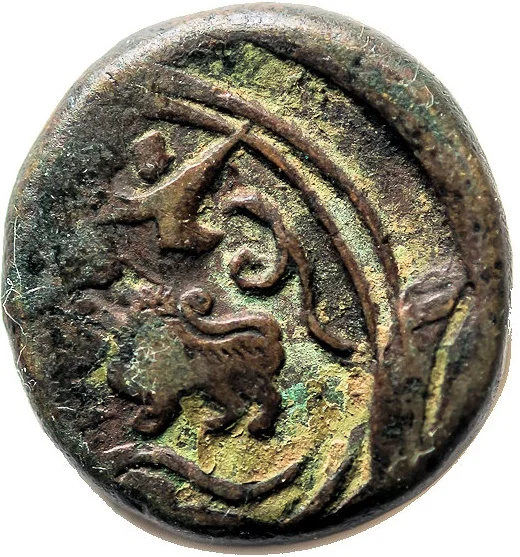
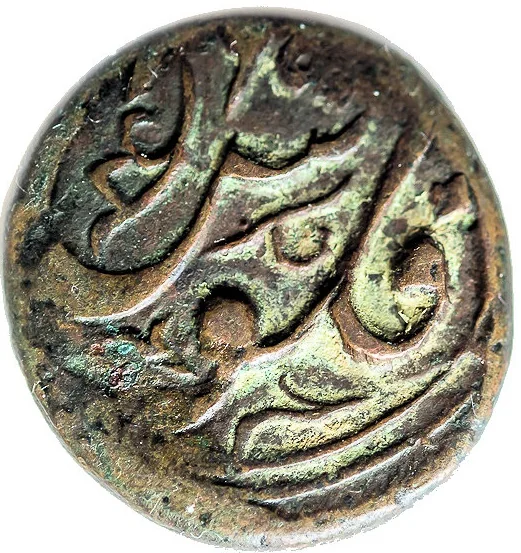
In 1878, the currency situation in the Emirate of Afghanistan was characterized by fragmentation and instability, reflecting the country's complex political and economic landscape. The primary circulating coins were the silver rupee and the copper fulus, but their value and purity were not standardized nationally. Multiple mints in cities like Kabul, Kandahar, and Herat produced coins of varying weights and metallic content, leading to a confusing system of exchange rates between regions. Furthermore, a significant influx of older Mughal, Persian, and British Indian rupees remained in circulation, complicating trade and undermining the authority of the Afghan state's currency.
This monetary disarray was a direct consequence of both internal strife and external pressure. The reign of Emir Sher Ali Khan (1863–1879) was marked by his struggle to centralize power, but his efforts were repeatedly disrupted by dynastic conflict and, crucially, the geopolitical rivalry between the Russian and British Empires—the "Great Game." As the British sought to bring Afghanistan under their sphere of influence, the Second Anglo-Afghan War erupted precisely in 1878. The war and the preceding political uncertainty severely disrupted the economy, making any systematic monetary reform impossible and exacerbating the circulation of debased and foreign coinage.
Consequently, the currency system in 1878 was not a unified national instrument but a patchwork of metallic money whose value was often determined by local markets and the intrinsic weight of its metal. This lack of a stable and uniform currency hindered internal commerce and complicated the state's ability to collect taxes efficiently. The situation would only begin to see moves toward stabilization after the war, with the accession of Emir Abdur Rahman Khan in 1880, who later initiated significant reforms to centralize the state and its coinage.