

50 euro – Malta
Add to wishlist
Non-circulating coins
Commemoration: Circumnavigation of the Globe
Malta
Context
Year: 2022
Issuer: Malta
Issuing organization: Central Bank of Malta
Period:
(since 1974)
Currency:
(since 2008)
Total mintage: 400
Material
References
KM: #
Numista: #555350
Value
Exchange value: 50 EUR
Bullion value: $907.70
Obverse
Description:
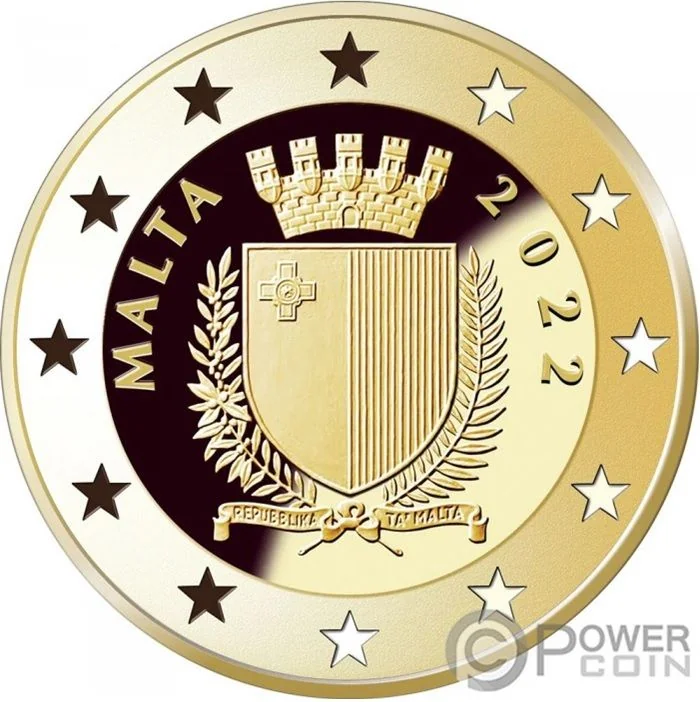
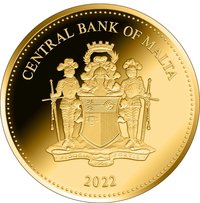
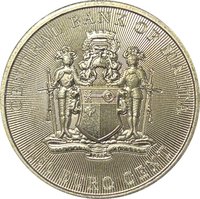
Maltese coat of arms.
Inscription:
MALTA 2022
REPUBBLIKA TA' MALTA
50 EURO
REPUBBLIKA TA' MALTA
50 EURO
Script: Latin
Designer and engraver: Noel Galea Bason
Reverse
Description:
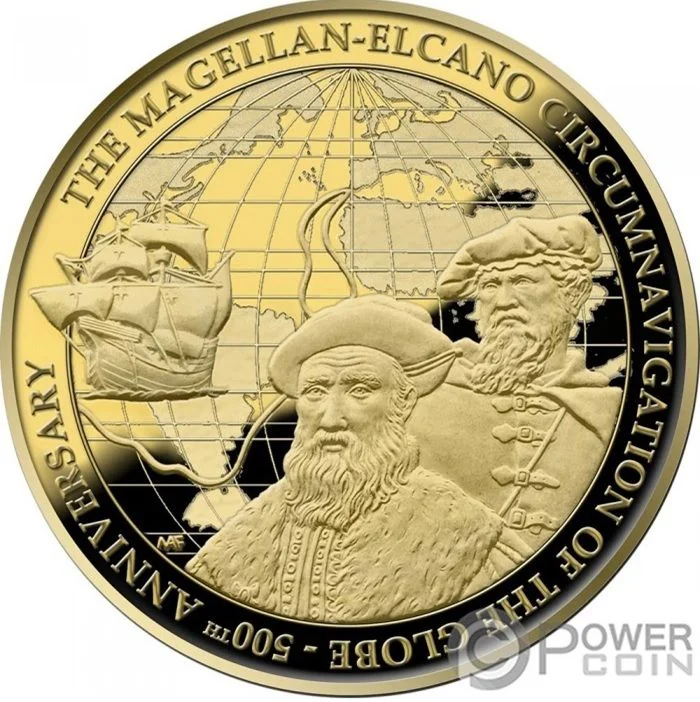
Magellan before a map.
Inscription:
THE MAGELLAN-ELCANO CIRCUMNAVIGATION OF THE GLOBE - 500TH ANNIVERSARY
Script: Latin
Designer and engraver: Maria Anna Frisone
Edge
Categories
| Person> Explorer |
| Map |
| Transportation> Watercraft |
| Symbols> Coat of Arms |
Mints
| Name | Mark |
|---|---|
| Royal Dutch Mint | — |
Mintings
| Year | Mint Mark | Mintage | Quality | Collection |
|---|---|---|---|---|
| 2022 | — | 400 | Proof |
Historical background
In 2022, Malta's currency situation was defined by its continued and stable membership in the Eurozone. Having adopted the euro on 1 January 2008, the Maltese lira was a relic of the past, and the euro served as the sole legal tender. This meant that Malta's monetary policy was not set domestically but by the European Central Bank (ECB), which was navigating a pivotal year of shifting from pandemic-era stimulus to confronting soaring inflation across the continent. Consequently, Malta's interest rates and broader monetary conditions were directly aligned with the ECB's decisions aimed at the entire Eurozone economy.
The year was marked by significant external pressures, primarily high inflation driven by global energy and food price shocks following Russia’s invasion of Ukraine. Malta experienced rising consumer prices, with annual inflation reaching 6.1% by December 2022—a high figure for the nation, though notably below the Eurozone average of 9.2%. This inflation was largely imported, meaning it was driven by the cost of goods and services from abroad rather than domestic wage-price spirals. The Maltese government implemented substantial subsidies on energy, fuel, and basic foodstuffs to shield households and businesses, which helped temper inflation but placed a strain on public finances.
Despite these inflationary challenges, Malta's economic and currency position remained robust in 2022. The Maltese economy demonstrated strong post-pandemic recovery, with GDP growth among the highest in the EU. The stable euro provided certainty for trade, tourism, and investment, key pillars of the Maltese economy. Furthermore, the country maintained a strong banking sector with high liquidity, and the euro's reserve currency status protected Malta from the currency volatility and exchange rate risks faced by non-Eurozone nations during a turbulent global year.
The year was marked by significant external pressures, primarily high inflation driven by global energy and food price shocks following Russia’s invasion of Ukraine. Malta experienced rising consumer prices, with annual inflation reaching 6.1% by December 2022—a high figure for the nation, though notably below the Eurozone average of 9.2%. This inflation was largely imported, meaning it was driven by the cost of goods and services from abroad rather than domestic wage-price spirals. The Maltese government implemented substantial subsidies on energy, fuel, and basic foodstuffs to shield households and businesses, which helped temper inflation but placed a strain on public finances.
Despite these inflationary challenges, Malta's economic and currency position remained robust in 2022. The Maltese economy demonstrated strong post-pandemic recovery, with GDP growth among the highest in the EU. The stable euro provided certainty for trade, tourism, and investment, key pillars of the Maltese economy. Furthermore, the country maintained a strong banking sector with high liquidity, and the euro's reserve currency status protected Malta from the currency volatility and exchange rate risks faced by non-Eurozone nations during a turbulent global year.
✨ Legendary