

5 mun – Joseon
Add to wishlist
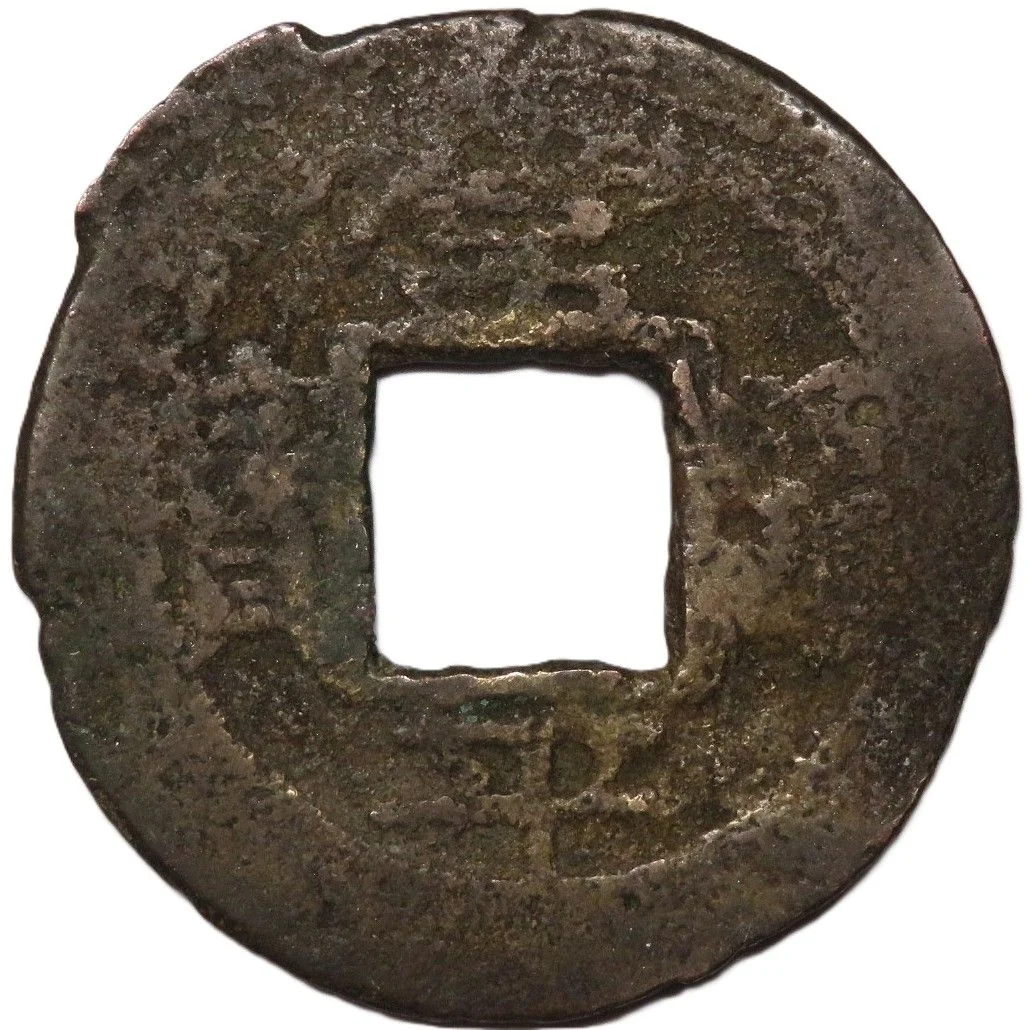
Obverse
Description:
常平通寶 (Sang pyong Tong bo) - Yi Dynasty Korean currency.
Inscription:
常
寶 通
平
寶 通
平
Scripts: Chinese (traditional, regular script)
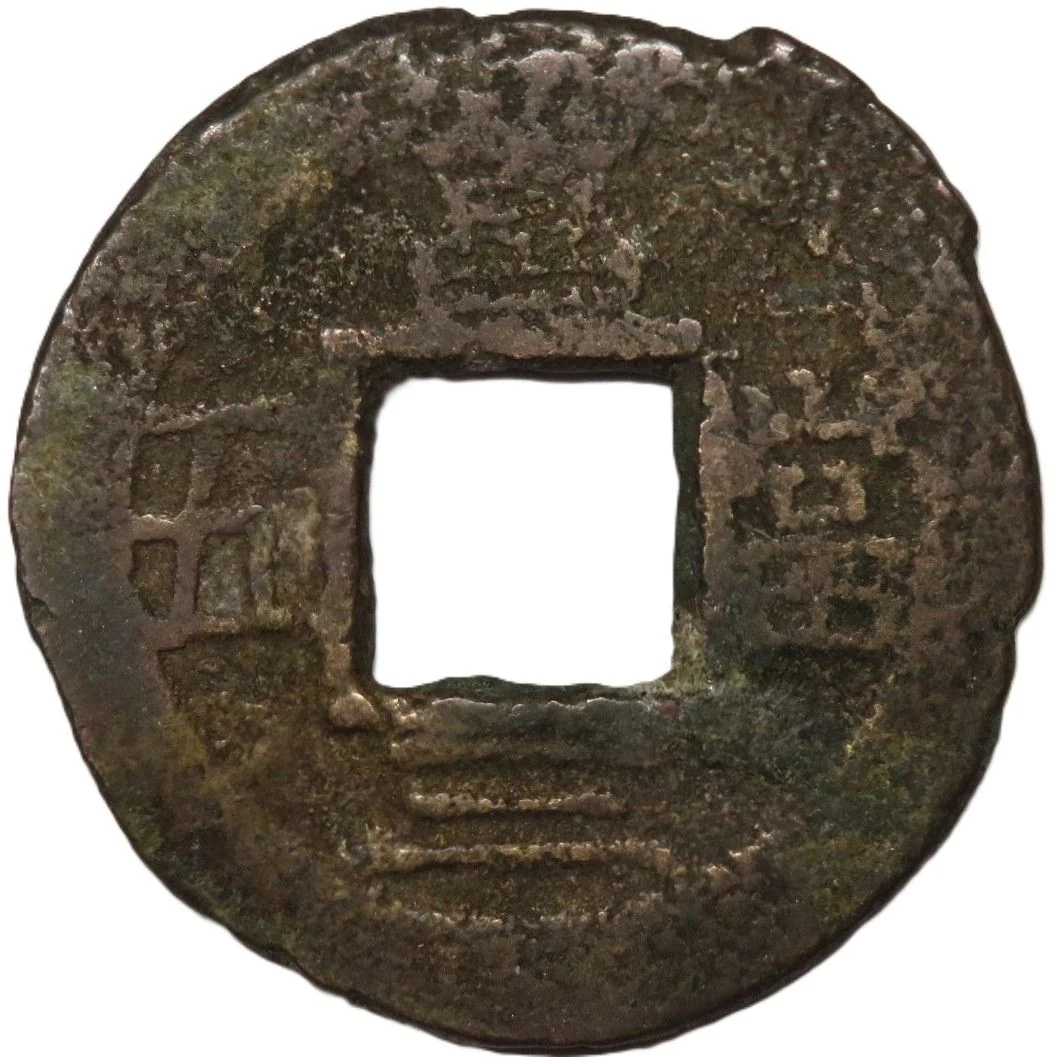
Reverse
Description:
Mint mark top, serial number bottom, denomination right to left. *昌: Ch'angwon Military Office.
Inscription:
昌
五 當
三
五 當
三
Scripts: Chinese (traditional, regular script)
Edge
Plain
Mints
| Name | Mark |
|---|---|
| Ch'angwon Township Military Office | 昌 |
Mintings
| Year | Mint Mark | Mintage | Quality | Collection |
|---|---|---|---|---|
| 1887 | 昌 | — |
Historical background
In 1887, the currency situation in Joseon was one of profound instability and transition, caught between a collapsing traditional system and the aggressive imposition of foreign monetary standards. For centuries, the kingdom had operated on a bronze coin (mun) and rice bolt (pye) system, but by the late 19th century, rampant counterfeiting and debasement had led to severe inflation and a loss of public confidence. This internal weakness was compounded by the increasing circulation of foreign currencies, particularly the Mexican silver dollar (the "yang"), which flowed in through trade with China, Japan, and Western powers, creating a chaotic multi-currency environment.
This monetary chaos was a direct reflection of Joseon's precarious political position, as it became a focal point of imperial rivalry between Qing China, Meiji Japan, and Western nations. The Treaty of Ganghwa (1876) with Japan had opened ports and granted extraterritoriality, allowing Japanese currency to circulate freely. By 1887, the Korean government, under King Gojong and with significant Qing influence, was attempting to reassert control. They had established the Office of Minting Affairs and issued new machine-struck silver and copper coins (like the whang or "tæl" and mun) in the early 1880s, but these new currencies struggled to gain trust and displace the entrenched foreign silver.
Ultimately, the currency crisis of 1887 was more than an economic issue; it was a symbol of eroding sovereignty. The state's inability to control its own medium of exchange underscored its weakening authority and the semi-colonial pressures it faced. Efforts at reform were piecemeal and often undermined by foreign interference, domestic corruption, and a lack of centralized financial institutions. This unstable foundation would contribute to the broader fiscal crises that plagued the kingdom in its final decades, paving the way for more direct foreign financial control, notably through Japanese loans and the eventual establishment of a Japanese-controlled bank in the 1900s.
This monetary chaos was a direct reflection of Joseon's precarious political position, as it became a focal point of imperial rivalry between Qing China, Meiji Japan, and Western nations. The Treaty of Ganghwa (1876) with Japan had opened ports and granted extraterritoriality, allowing Japanese currency to circulate freely. By 1887, the Korean government, under King Gojong and with significant Qing influence, was attempting to reassert control. They had established the Office of Minting Affairs and issued new machine-struck silver and copper coins (like the whang or "tæl" and mun) in the early 1880s, but these new currencies struggled to gain trust and displace the entrenched foreign silver.
Ultimately, the currency crisis of 1887 was more than an economic issue; it was a symbol of eroding sovereignty. The state's inability to control its own medium of exchange underscored its weakening authority and the semi-colonial pressures it faced. Efforts at reform were piecemeal and often undermined by foreign interference, domestic corruption, and a lack of centralized financial institutions. This unstable foundation would contribute to the broader fiscal crises that plagued the kingdom in its final decades, paving the way for more direct foreign financial control, notably through Japanese loans and the eventual establishment of a Japanese-controlled bank in the 1900s.


✨ Legendary