

200 centavos – Timor-Leste
Add to wishlist
Timor-Leste
Context
Material

References
KM: #
Numista: #121795
Obverse
Description:
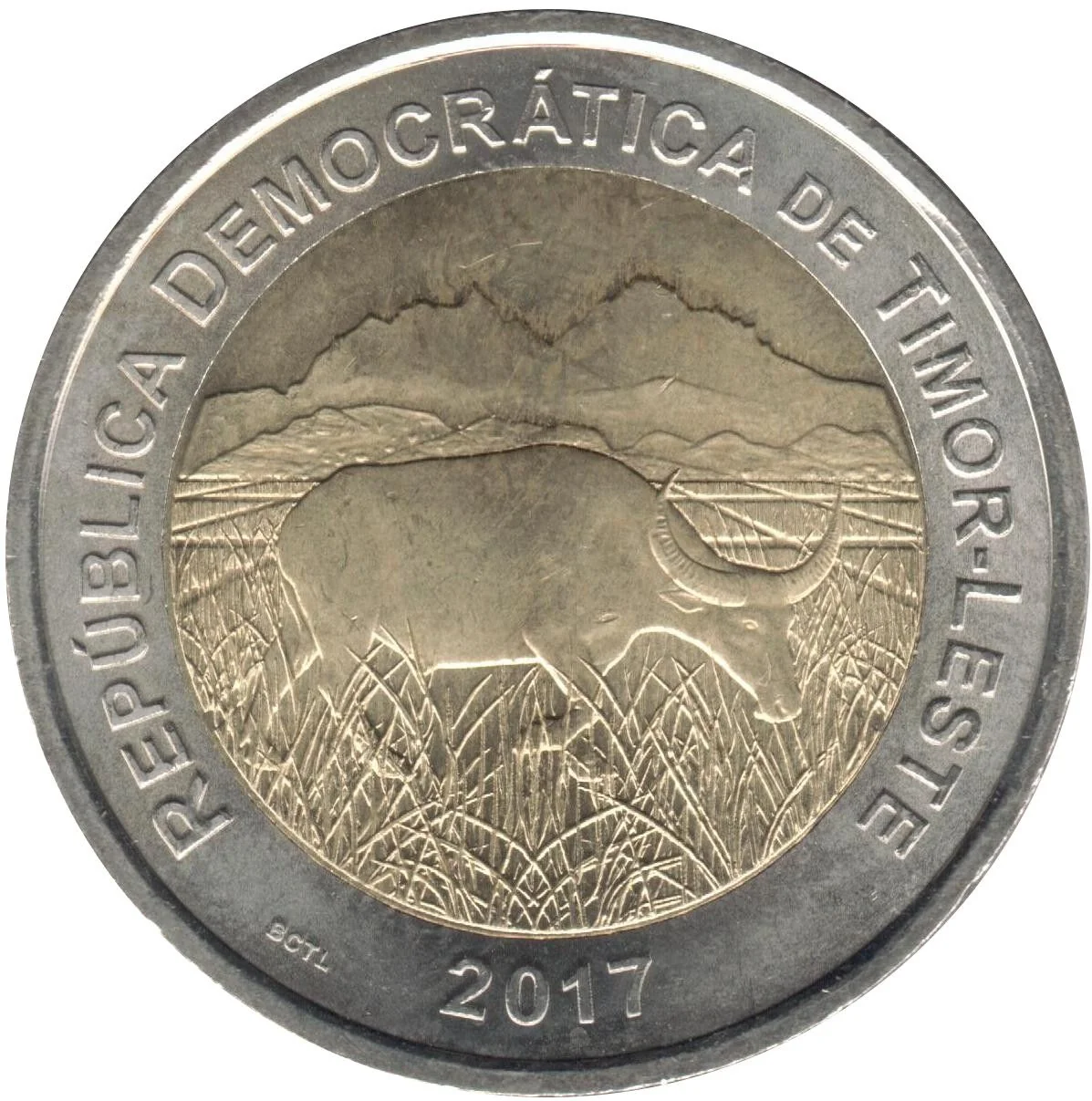
Water buffalo with Mount Matebian behind.
Inscription:
REPÚBLICA DEMOCRÁTICA DE TIMOR-LESTE
2017
BCTL
2017
BCTL
Script: Latin
Reverse
Description:
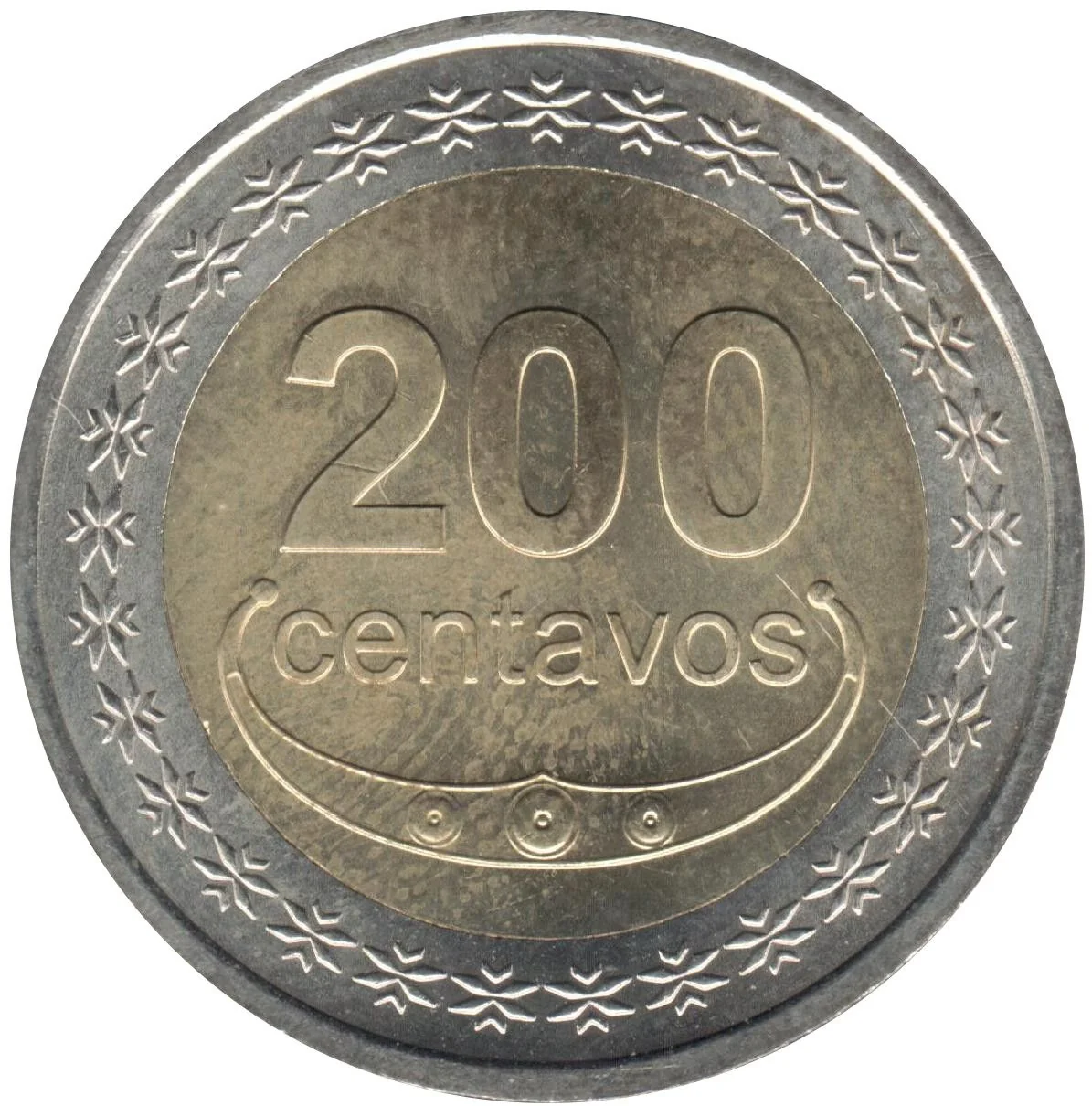
Kaibauk (crescent ornament) with Tais-patterned border.
Inscription:
200
centavos
centavos
Script: Latin
Edge
Segmented reeding
Mints
| Name | Mark |
|---|---|
| Royal Australian Mint | — |
| Imprensa Nacional - Casa da Moeda | BCTL |
Mintings
| Year | Mint Mark | Mintage | Quality | Collection |
|---|---|---|---|---|
| 2017 | BCTL | 3,000 |
Historical background
In 2017, Timor-Leste's currency situation remained defined by its continued use of the United States Dollar (USD) as its official legal tender, a framework established at independence in 2000. This dollarization provided critical initial stability, curbing hyperinflation and fostering trust in the financial system. However, by 2017, its significant downsides were a central topic of economic debate. The nation had no independent monetary policy, unable to adjust interest rates or devalue its currency to boost competitiveness. Furthermore, using the USD tied Timor-Leste's economy closely to U.S. monetary decisions and made its exports and tourism relatively more expensive compared to regional neighbors with weaker currencies.
The year unfolded against a backdrop of severe fiscal pressure, primarily driven by the protracted reliance on the rapidly depleting Petroleum Fund. With oil revenues—the state's primary income—in sharp decline, the government debated substantial withdrawals to fund its state budgets, raising concerns about long-term fiscal sustainability. This economic strain highlighted how dollarization limited policy options; the government could not monetize its deficit or stimulate the economy through monetary tools, leaving heavy borrowing from the Petroleum Fund as the principal fiscal response. Consequently, discussions about potentially introducing a national currency resurfaced, though they remained theoretical due to the high risks of instability and inflation.
Ultimately, 2017 ended with the U.S. Dollar firmly entrenched. The government's priorities focused on managing the fiscal crisis rather than imminent currency change. The key challenges were structural: fostering diversification in a non-oil economy (the "real economy") and building domestic revenue—all while operating within the constraints of a strong, imported currency. The currency situation thus reflected a broader economic crossroads, balancing the proven stability of dollarization against the need for greater economic sovereignty and flexibility to develop a resilient post-petroleum future.
The year unfolded against a backdrop of severe fiscal pressure, primarily driven by the protracted reliance on the rapidly depleting Petroleum Fund. With oil revenues—the state's primary income—in sharp decline, the government debated substantial withdrawals to fund its state budgets, raising concerns about long-term fiscal sustainability. This economic strain highlighted how dollarization limited policy options; the government could not monetize its deficit or stimulate the economy through monetary tools, leaving heavy borrowing from the Petroleum Fund as the principal fiscal response. Consequently, discussions about potentially introducing a national currency resurfaced, though they remained theoretical due to the high risks of instability and inflation.
Ultimately, 2017 ended with the U.S. Dollar firmly entrenched. The government's priorities focused on managing the fiscal crisis rather than imminent currency change. The key challenges were structural: fostering diversification in a non-oil economy (the "real economy") and building domestic revenue—all while operating within the constraints of a strong, imported currency. The currency situation thus reflected a broader economic crossroads, balancing the proven stability of dollarization against the need for greater economic sovereignty and flexibility to develop a resilient post-petroleum future.

🌱 Fairly Common