

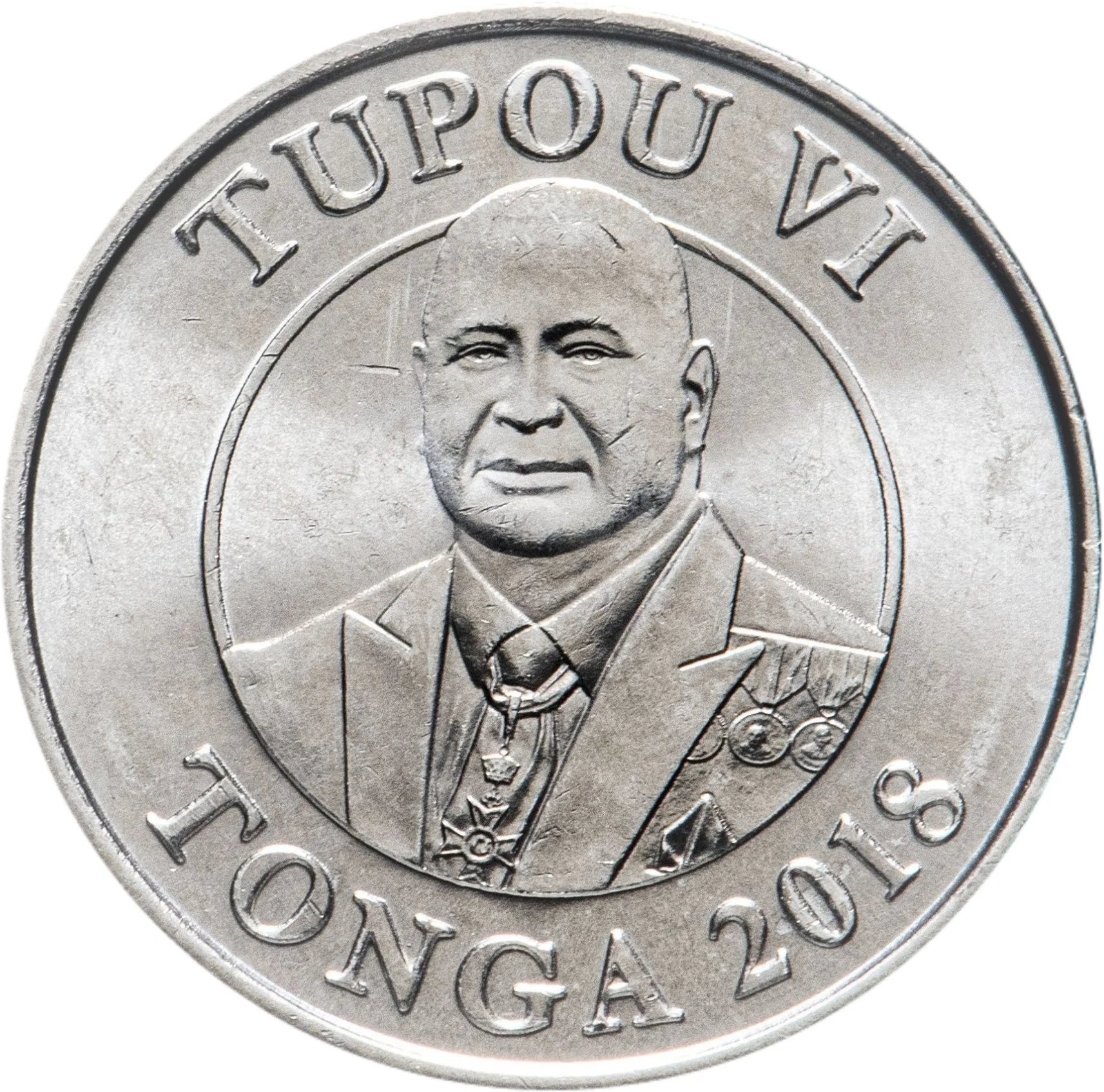
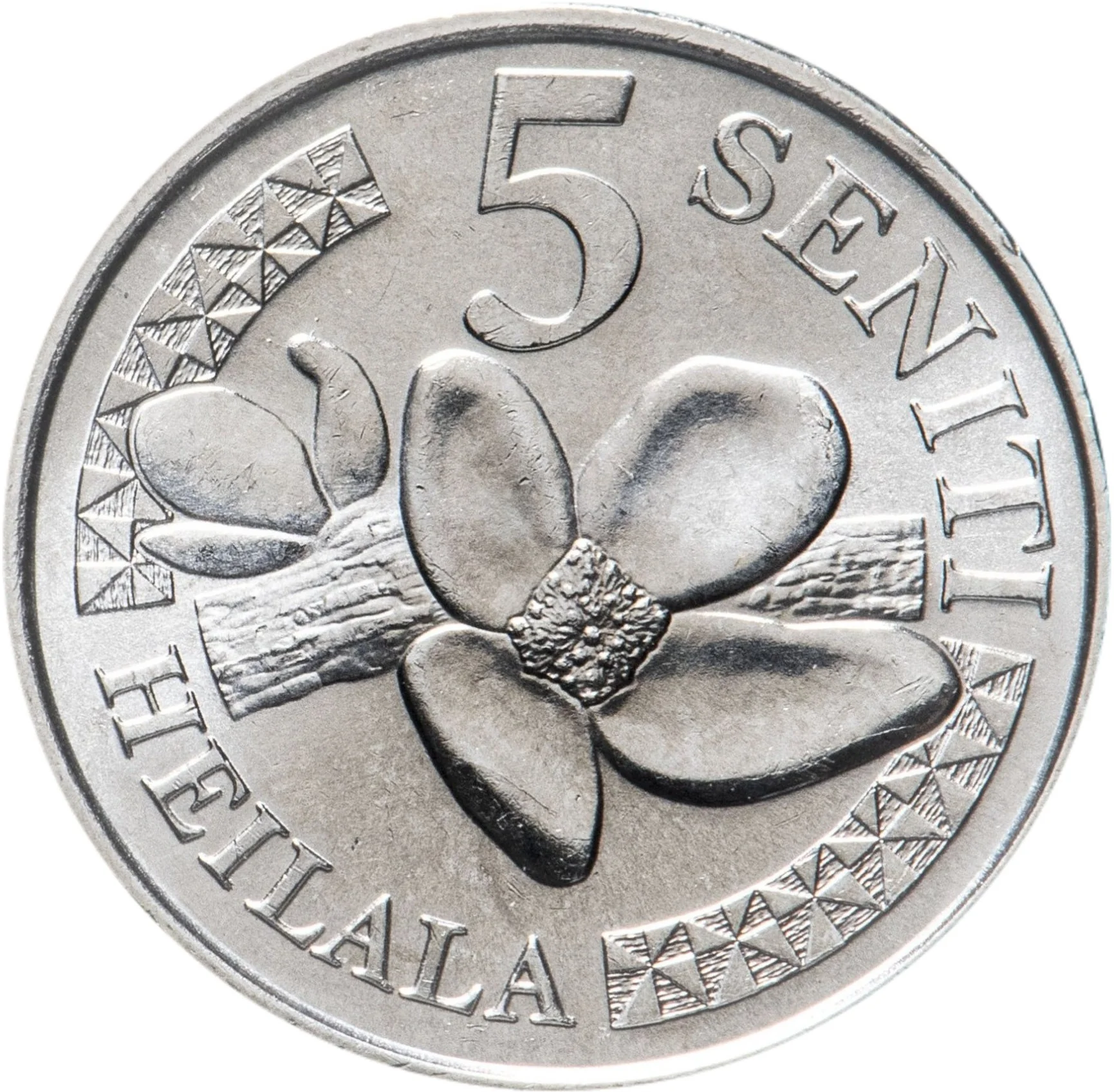
5 seniti – Tonga
Add to wishlist
Tonga
Context
Year: 2018
Issuer: Tonga
Issuing organization: National Reserve Bank of Tonga
Ruler: ʻAhoʻeitu Tupou VI
Currency:
(since 1967)
Material
References
KM: #
Numista: #195839
Value
Exchange value: 0.05 TOP
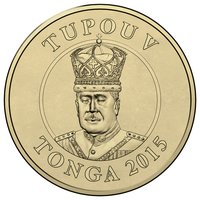
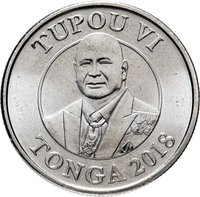
Obverse
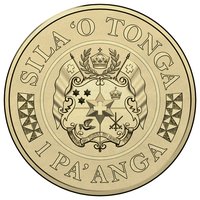
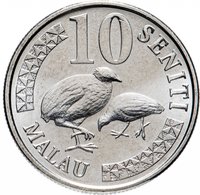
Reverse
Edge
Plain
Mints
| Name | Mark |
|---|---|
| Royal Australian Mint | — |
Mintings
| Year | Mint Mark | Mintage | Quality | Collection |
|---|---|---|---|---|
| 2018 | — | — |
Historical background
In 2018, Tonga's currency situation was characterized by its continued use of the Paʻanga (TOP), which is pegged to a basket of currencies, heavily weighted towards the Australian dollar (AUD), New Zealand dollar (NZD), and the US dollar (USD). This managed peg, administered by the National Reserve Bank of Tonga (NRBT), aimed to provide stability and low inflation for the small, import-dependent island nation. The exchange rate was maintained at approximately TOP 2.2 to AUD 1, a rate that had been in place for several years. This stability was crucial for economic planning and controlling the cost of essential imported goods, but it also meant Tonga's monetary policy was largely dictated by the economic conditions of its major trading partners, limiting independent tools to stimulate the domestic economy.
The broader economic context in 2018 presented challenges for this currency regime. Tonga faced persistent trade deficits, with remittances from the Tongan diaspora and foreign aid being critical sources of foreign exchange to support the peg. Economic growth was modest, and public debt remained high, with a significant portion denominated in foreign currencies. This external debt burden created vulnerability to exchange rate risk, despite the peg. Furthermore, the NRBT had to carefully manage its foreign reserves to defend the fixed exchange rate, a task complicated by the economy's exposure to external shocks such as natural disasters and fluctuations in commodity prices.
Overall, the 2018 currency situation reflected a trade-off between stability and flexibility. The pegged Paʻanga provided a reliable anchor, which was valued for its role in mitigating inflation and fostering confidence. However, it also constrained policy options in the face of economic pressures, leaving the country reliant on external financial inflows and fiscal discipline to maintain the system's viability. The year ended with the currency peg intact but underscored by ongoing discussions about the need for broader economic diversification and resilience to reduce long-term vulnerabilities.
The broader economic context in 2018 presented challenges for this currency regime. Tonga faced persistent trade deficits, with remittances from the Tongan diaspora and foreign aid being critical sources of foreign exchange to support the peg. Economic growth was modest, and public debt remained high, with a significant portion denominated in foreign currencies. This external debt burden created vulnerability to exchange rate risk, despite the peg. Furthermore, the NRBT had to carefully manage its foreign reserves to defend the fixed exchange rate, a task complicated by the economy's exposure to external shocks such as natural disasters and fluctuations in commodity prices.
Overall, the 2018 currency situation reflected a trade-off between stability and flexibility. The pegged Paʻanga provided a reliable anchor, which was valued for its role in mitigating inflation and fostering confidence. However, it also constrained policy options in the face of economic pressures, leaving the country reliant on external financial inflows and fiscal discipline to maintain the system's viability. The year ended with the currency peg intact but underscored by ongoing discussions about the need for broader economic diversification and resilience to reduce long-term vulnerabilities.
🌱 Fairly Common