

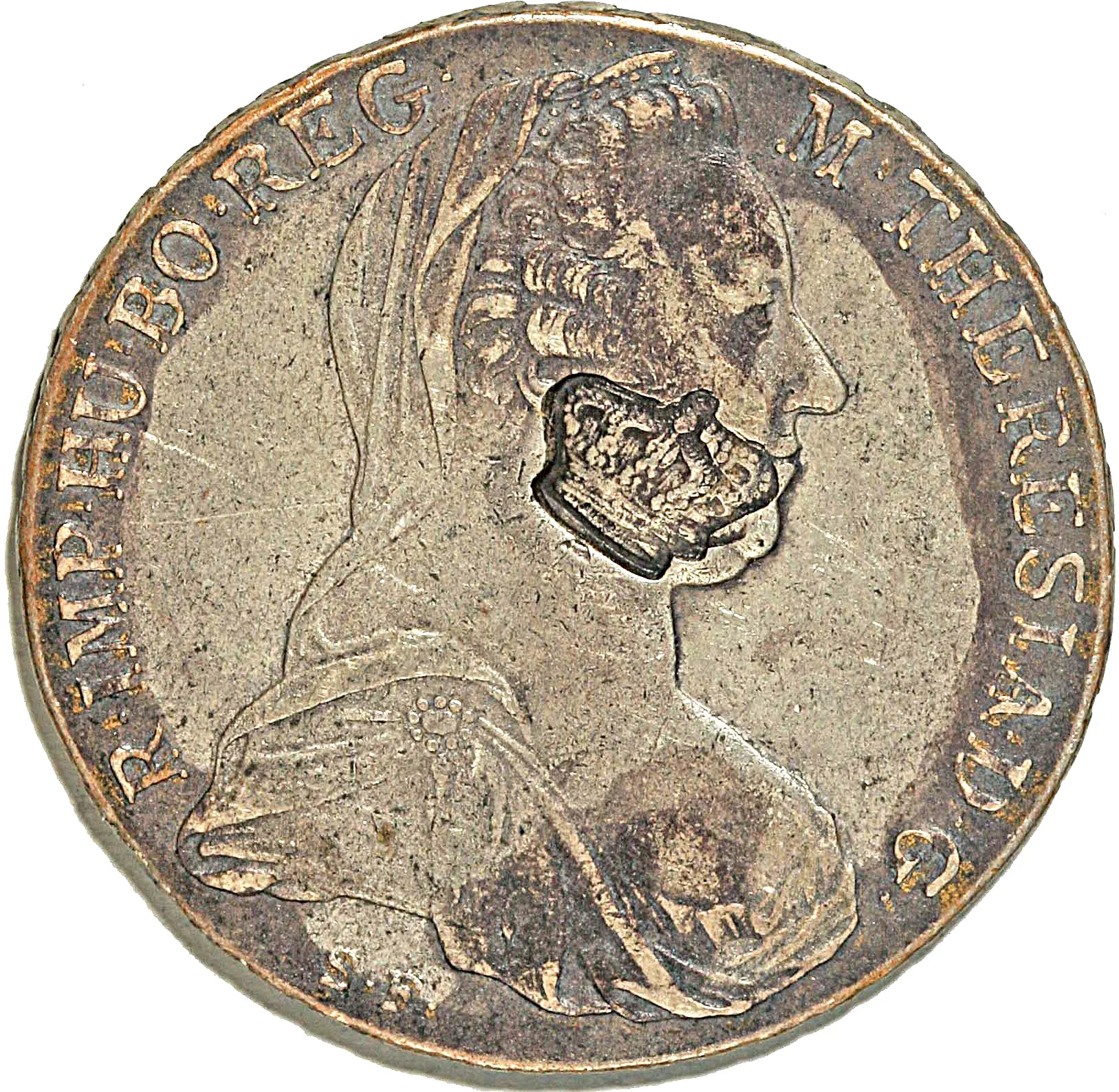
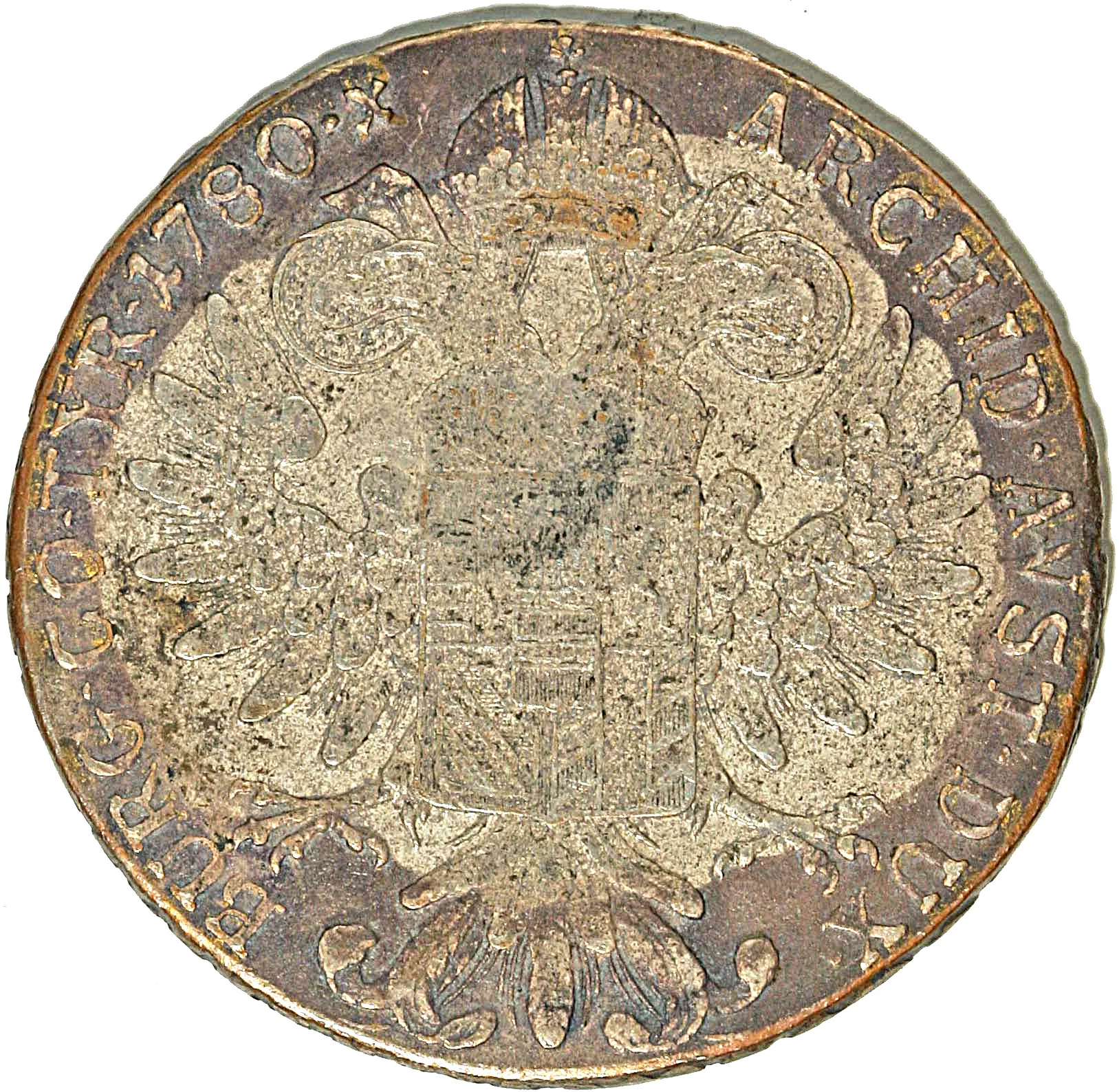
1200 réis – Azores
Add to wishlist
Portugal
Context
Material
Diameter: 41 mm
Weight: 28 g
Silver Weight:: 23.32 g
Shape: Round
Composition: 83.3% Silver
Magnetic: No
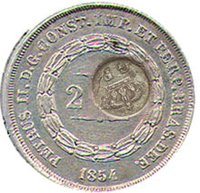
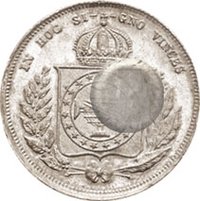
Technique: Countermarked
References
KM: #
Numista: #101185
Value
Bullion value: $57.05
Mintings
| Year | Mint Mark | Mintage | Quality | Collection |
|---|---|---|---|---|
| 1881 | — | — |
Historical background
In 1881, the Azores, as an integral part of the Kingdom of Portugal, operated under the national Portuguese monetary system. The official currency was the Portuguese Real (plural: Réis), a decimal currency that had been formally established in the 1830s. However, the archipelago's remote location in the mid-Atlantic and its role as a hub for international whaling and trade meant that foreign coins, particularly British sovereigns, US dollars, and French francs, circulated widely alongside the official currency. This created a de facto situation of currency pluralism, where merchants and bankers had to constantly reference exchange rates and valuations.
The local economy was largely agrarian and not heavily industrialized, which led to a chronic shortage of small-denomination copper and silver coins needed for everyday transactions. This scarcity was a common problem in Portugal's overseas territories and distant provinces, where the central mint in Lisbon struggled to supply sufficient specie. As a result, transactions were often conducted through barter or credit within local communities, and there are indications that some municipal councils may have authorized the use of low-value tokens or stamped paper to alleviate the small-change crisis.
Furthermore, the Azorean economy was significantly influenced by emigration, especially to Brazil and the United States. Remittances sent back by emigrants, often in the form of foreign banknotes or coins, became a vital source of capital and further cemented the presence of foreign currency in the islands. Therefore, the 1881 monetary environment in the Azores was characterized by the official framework of the Portuguese Real, but was practically defined by a mix of insufficient domestic coinage, prevalent foreign currency, and alternative local solutions to facilitate commerce.
The local economy was largely agrarian and not heavily industrialized, which led to a chronic shortage of small-denomination copper and silver coins needed for everyday transactions. This scarcity was a common problem in Portugal's overseas territories and distant provinces, where the central mint in Lisbon struggled to supply sufficient specie. As a result, transactions were often conducted through barter or credit within local communities, and there are indications that some municipal councils may have authorized the use of low-value tokens or stamped paper to alleviate the small-change crisis.
Furthermore, the Azorean economy was significantly influenced by emigration, especially to Brazil and the United States. Remittances sent back by emigrants, often in the form of foreign banknotes or coins, became a vital source of capital and further cemented the presence of foreign currency in the islands. Therefore, the 1881 monetary environment in the Azores was characterized by the official framework of the Portuguese Real, but was practically defined by a mix of insufficient domestic coinage, prevalent foreign currency, and alternative local solutions to facilitate commerce.
✨ Legendary